


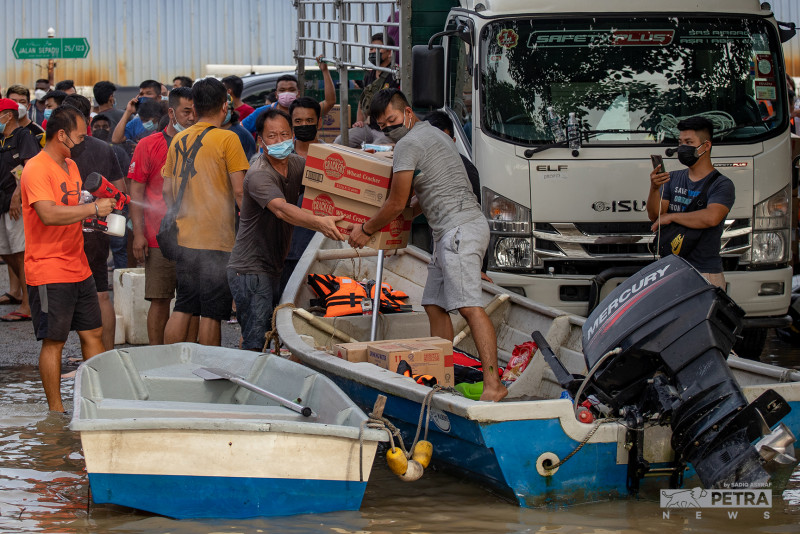
KUALA LUMPUR – Local communities are learning the importance of taking the first line of action themselves in the event of disasters to reduce calamities through a programme on disaster risk reduction.
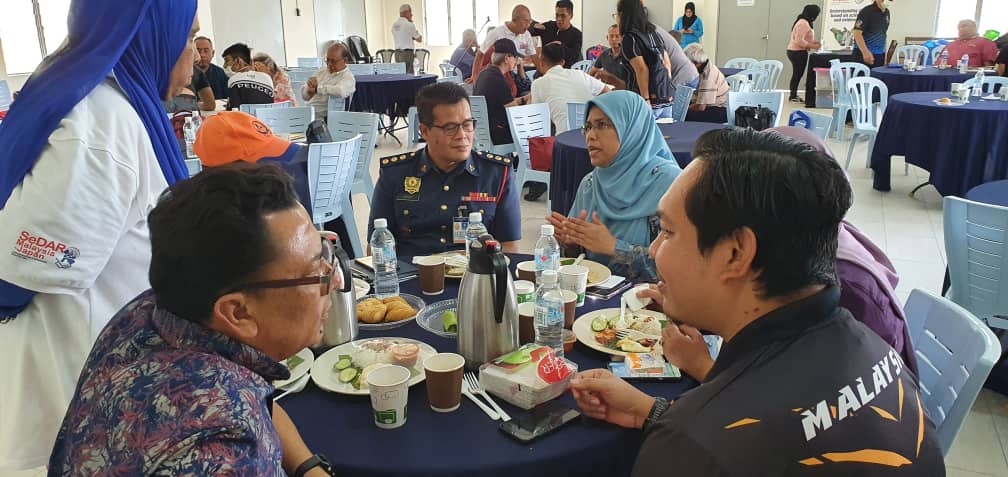
The SeDAR programme spreads awareness to communities on their disaster risks and ability to take action, said project coordinator Eriko Motoyama after a recent workshop in Ukay Perdana.
The programme, held in Ampang and launched by its MP Rodziah Ismail, is significant as this area has been the scene of landslides in the past – including the Highland Towers tragedy in 1993 that claimed 48 lives. Residents over the years have been wary of occasional landslips occurring within the vicinity.
Motoyama said SeDAR, which stands for Strengthening the Disaster Risk Reduction Capacity to Improve the Safety and Security of Communities by Understanding Disaster Risk, is meant to encourage local governments and communities to collaborate on disaster prevention measures and initiatives.
The programme focuses on changing the public’s perception and thinking about disasters in situations where they are helpless, to take charge of their own survival from the start.
“It teaches people living in communities to prepare and reduce the impact of disasters.”
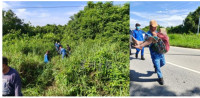
This can be done by creating community maps that are easier for residents to understand and use, Motoyama said.
She said the workshop explained to residents that community maps can be created by locals for their own use, as they are simpler for non-technical people to understand – whereas scientific maps may be more detailed, but harder to grasp.
With the use of community maps, residents can locate potential dangers and risks in their environment, she added. Understanding their surroundings with the help of these maps can even prevent disasters from happening.
SeDAR, which is a joint effort between Japan and Selangor, also teaches participants about self-help, mutual help, and public help principles drawing from the experience of the Japanese people in disaster risk management.
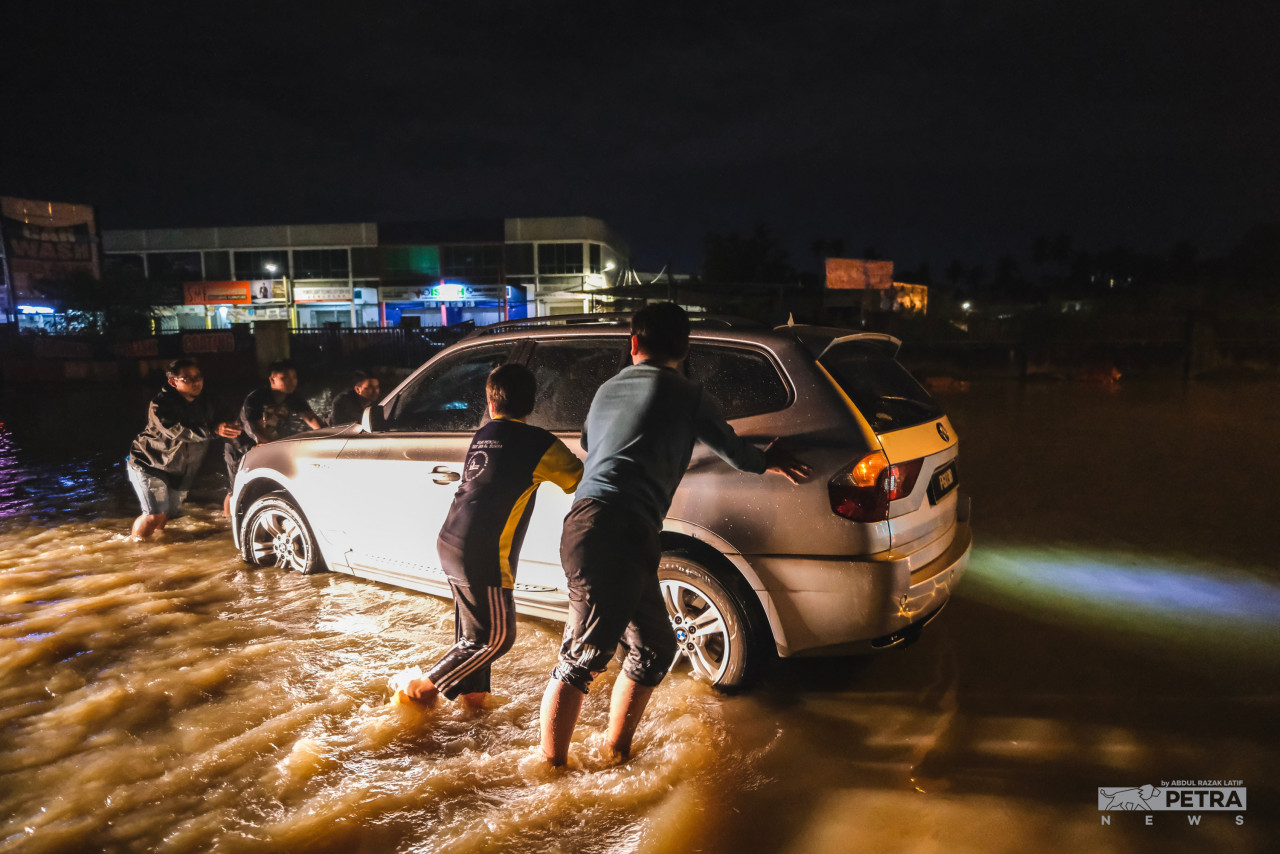
“According to the Japanese, we can use three kinds of help whenever we face disasters. The first one is self-help,” said Motoyama.
This means that people must know how to save themselves first in a disaster as the first few minutes are the most critical.
“That’s when we can save our lives instead of waiting for public help, which may arrive late.”
For example, Motoyama added, landslides often happen in waves besides there being different types of earth movements.
“Therefore, the first action we need to do is to evacuate the place.
“Sometimes, we can save ourselves from the first wave of a landslide by running away and getting out of the place before the second wave, which is more dangerous,” she said.
The next principle, mutual help, is where people alert others around them and extend help.
People can learn how to provide mutual help from the training given by the Malaysian Civil Defence Force, which has a program called the Civil Defense Emergency Response Team to teach communities how to deal with disaster situations, Motoyama added.

The final principle is public help, which entails government assistance and the involvement of official bodies such as police, civil defence forces, and the Fire and Rescue Department.
The SeDAR programme, which began in 2018, is conducted within Selangor with a focus on areas prone to landslides and floods.
SeDAR is a collaboration project between the International Research Institute of Disaster Science of Tohoku University, the Selangor Disaster Management Unit of the Selangor government, and the Disaster Preparedness and Prevention Centre of the Malaysia-Japan International Institute of Technology, Universiti Teknologi Malaysia Kuala Lumpur. – The Vibes, December 21, 2022






_Datuk_Rusdi_Mohd_Isa._Facebook_pic..png)
