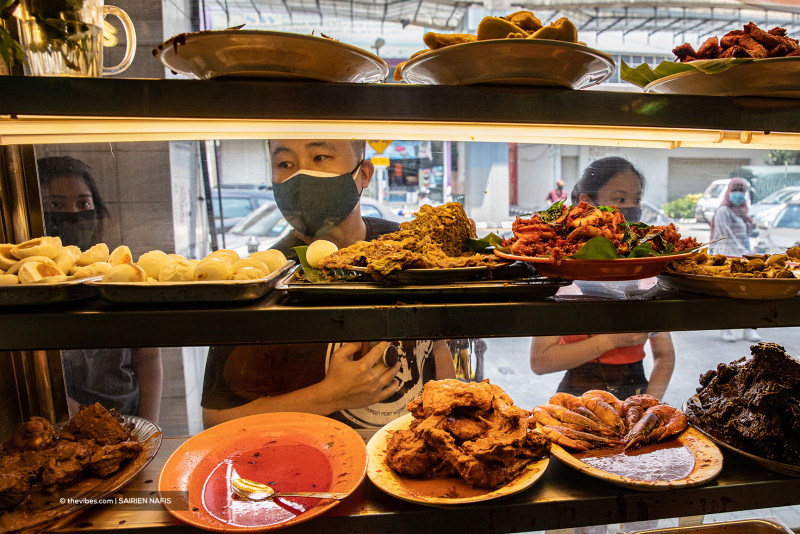

KUALA LUMPUR – As Malaysians grapple with the rising cost of living, customers have noticed the “shrinkflation” phenomenon in restaurants and supermarkets.
The term “shrinkflation” is a portmanteau of the words “shrink” and “inflation”, and is used to describe reduced size, quantity, or quality in products and food portions, while prices are increased or maintained.
In other words, consumers are finding themselves paying more but receiving less, compared to previous times.
Consumers interviewed by The Vibes recently say they are at their limits with the practice, and some of them question whether there is an end in sight.
A consumer, who wanted to be known as Zarin, said the quality and portions of food in restaurants have declined in recent years, as owners have prioritised cost efficiency.
“The issue is that businesses compromise quality in favour of saving costs,” said the nutritionist.
“Before this, you could buy a chicken rice meal with a complete serving of protein. Now, you have to pay more for bony, hard chicken which is only a quarter the size (given previously),” she added.
Nonetheless, the 31-year-old questioned why consumers treat this matter as a normal occurrence, adding that the relevant authorities need to take urgent action.
But why do we, as consumers, allow this to happen? Maybe we do not have a choice, but it has become a standard practice and restaurants will forever take advantage if we continue to,” she lamented.
“The authorities have to do quality controls and keep supervising (the matter) from going out of hand.
“The working classes may not have time to cook at home with long work hours and traffic, now we have to come to terms with expensive food. It is just sad.”
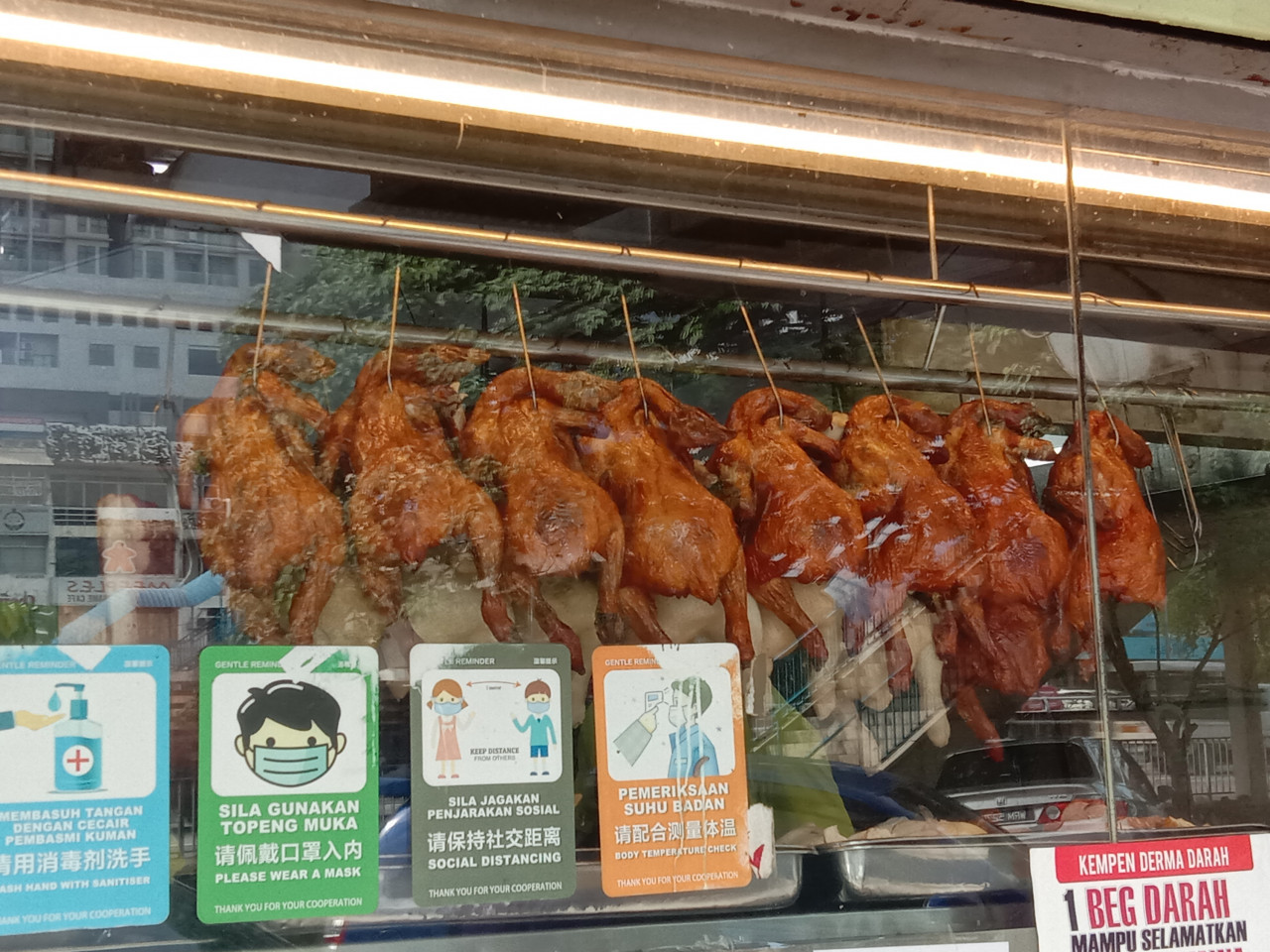
Similarly, a tailor who declined to be named bemoaned the helplessness of consumers and the severe deterioration in the quality of restaurants since the start of the Covid-19 pandemic.
“The restaurants have become expensive, but the quality has dropped,” said the woman from Seremban.
“It angers me but we cannot do anything. Eateries will use the pandemic to defend their price hikes and shrinking portions.”
The tailor also lamented the “shrinking” sizes of goods sold in supermarkets and grocery stores, especially for multigrain products.
“For packed goods, I see that packets for grains like oats and Nestum have gotten smaller,” she said.
“It is unfair, we have to keep on buying but do not get the satisfaction (with our purchases). What can we do? They are necessities.”
Account manager Marvin Navarro said that he has noticed the diminishing sizes of fast-food products in Malaysia over the years.
I go to cafes more often, but the change in the fast-food industry is really obvious,” he said.
Marvin, who dines out four to five times monthly, also observed how Chinese restaurants have reduced the quantity of meat in their dishes.
“Meat servings in Chinese shops have been halved, now I have to be more mindful when I want to eat out,” he remarked.

Another consumer, Syafiqah Rosli, said that shrinkflation has prompted her to eat at home more often.
“Why should I pay more to eat less?” she questioned.
“With groceries at home, you can eat much more and even feed more people.”
Dila, a sales associate, said that her willingness to eat out has diminished owing to shrinkflation.
However, she said that it is a “lose-lose” situation, as the cost of groceries has also increased.
Cooking at home and eating out almost cost the same now. When we go to supermarkets, the fresh produce gets smaller but their prices go up,” she said.
“Even Milo has changed. It used to be really rich, but now it just tastes milky.”
Meanwhile, Malaysian Muslim Restaurant Owners’ Association president Datuk Jawahar Ali Taib Khan said he disagrees with the practice of shrinking portions and urges operators to maintain portion sizes while making small increases to prices.
He said shrinking portions is unethical behaviour for restaurant operators, and that they should always “tell the truth and do business in a healthy way”, especially Muslims.
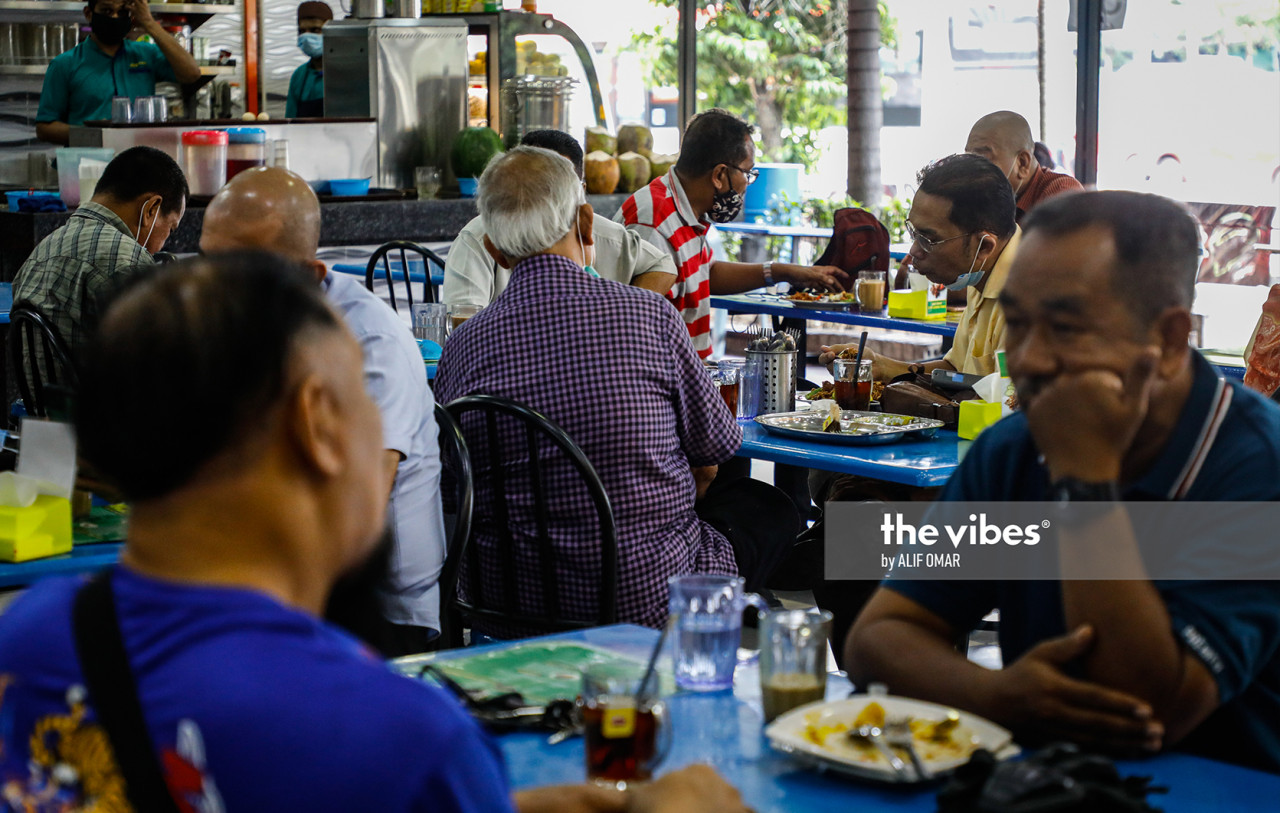
“If it is true that restaurants are practising this shrinkflation, then it is a very unhealthy practice and I personally am against this malpractice,” he told The Vibes.
Owners have to remind themselves that they are Muslims and these kinds of unhealthy behaviours are against Islam,” he added.
Jawahar said he agrees with Economy Minister Rafizi Ramli who has been urging consumers to choose restaurants with the most competitive prices but added that this approach might not lead to immediate retail price reductions as operators and producers must still bear many costs.
Nonetheless, when asked about the impact of Rafizi’s suggestion to avoid highly-priced eateries, he said his restaurant will not be affected as its prices are reasonable.
Rafizi’s call to the public to boycott eateries that refuse to lower their prices despite the reduction of costs for some raw materials has been criticised by some economists, who have noted that there are other costs involved, such as wages and other overheads.
On Friday, Rafizi said he would meet with the food and beverage sector to engage them on measures they and the government could take to lower food prices. – The Vibes, January 29, 2023