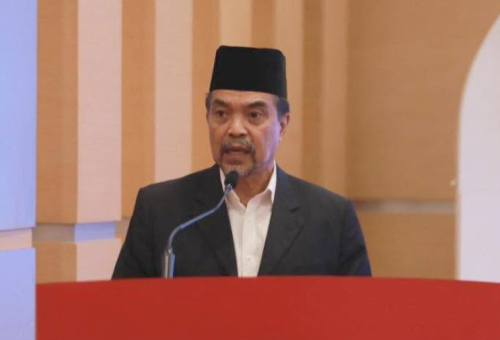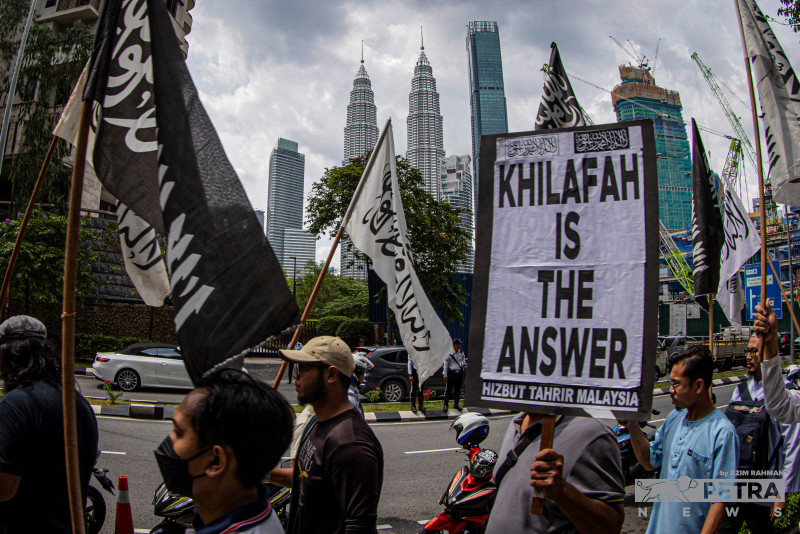

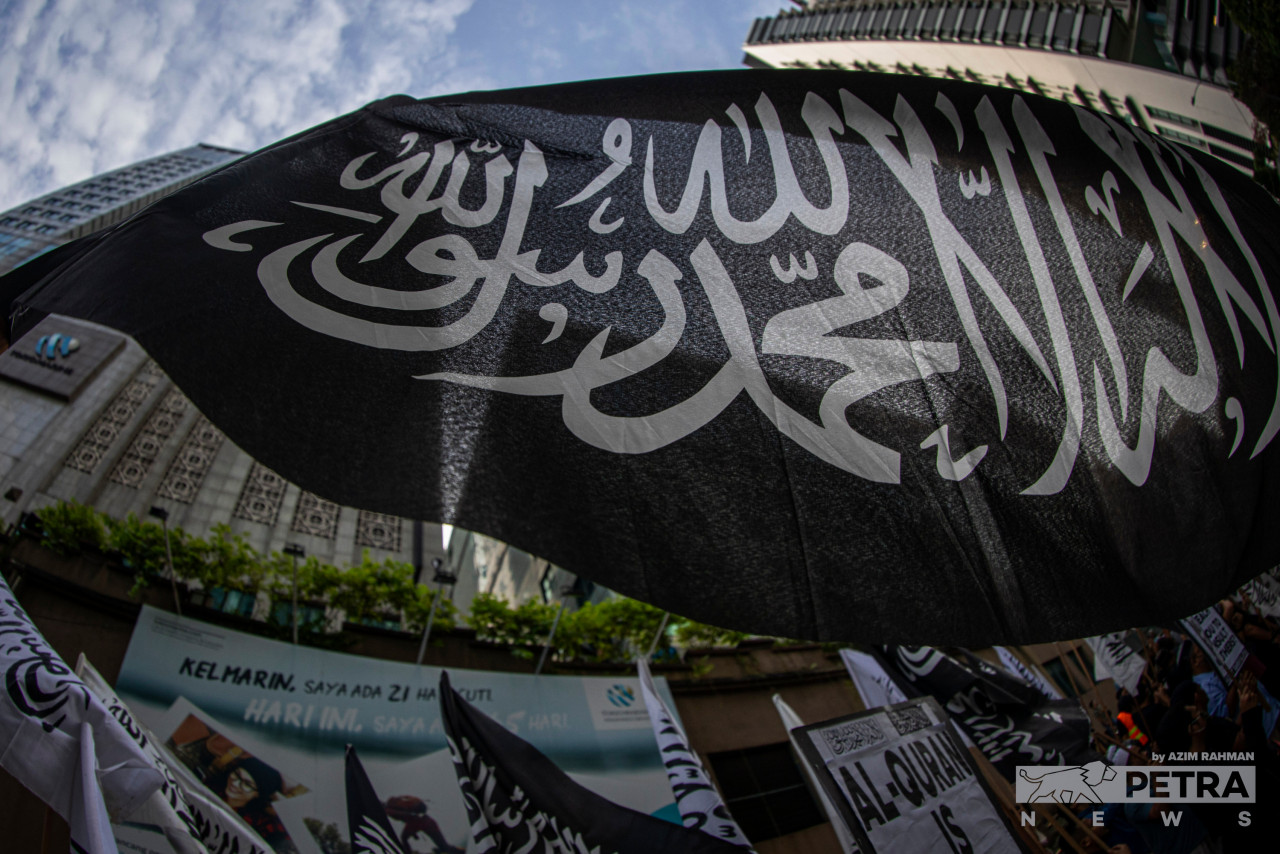
JOHOR BARU – Controversial Islamist network Hizbut Tahrir’s Malaysian chapter (HTM) has responded to allegations claiming that the group’s operations threaten national security, dismissing them as baseless accusations.
HTM spokesman Abdul Hakim Othman reiterated the group’s principles of non-violence, pointing out that the organisation has had no history of violence since its formation in Palestine during the early 1950s.
He maintained that democracy emerged from the West and runs counter to the principles of Islam, the latter of which HTM wants to base its governance upon.
Hakim was responding to an article published by The Vibes on January 29, where counter-terrorism experts suggested that HTM’s ideologies could threaten Malaysia’s democracy, given that the group was de-registered in Indonesia after finding that its principles were unconstitutional.
“Claims that say HTM threatens national security are merely claims that are defamatory and fabricated.
The West and those who oppose Islam are not favourable towards Hizbut Tahrir, (and so they) make these claims to tarnish the organisation’s name,” Hakim told The Vibes.
He pointed out that Hizbut Tahrir operated peacefully in Indonesia for around three decades before the group was de-registered – a move he described as undemocratic.
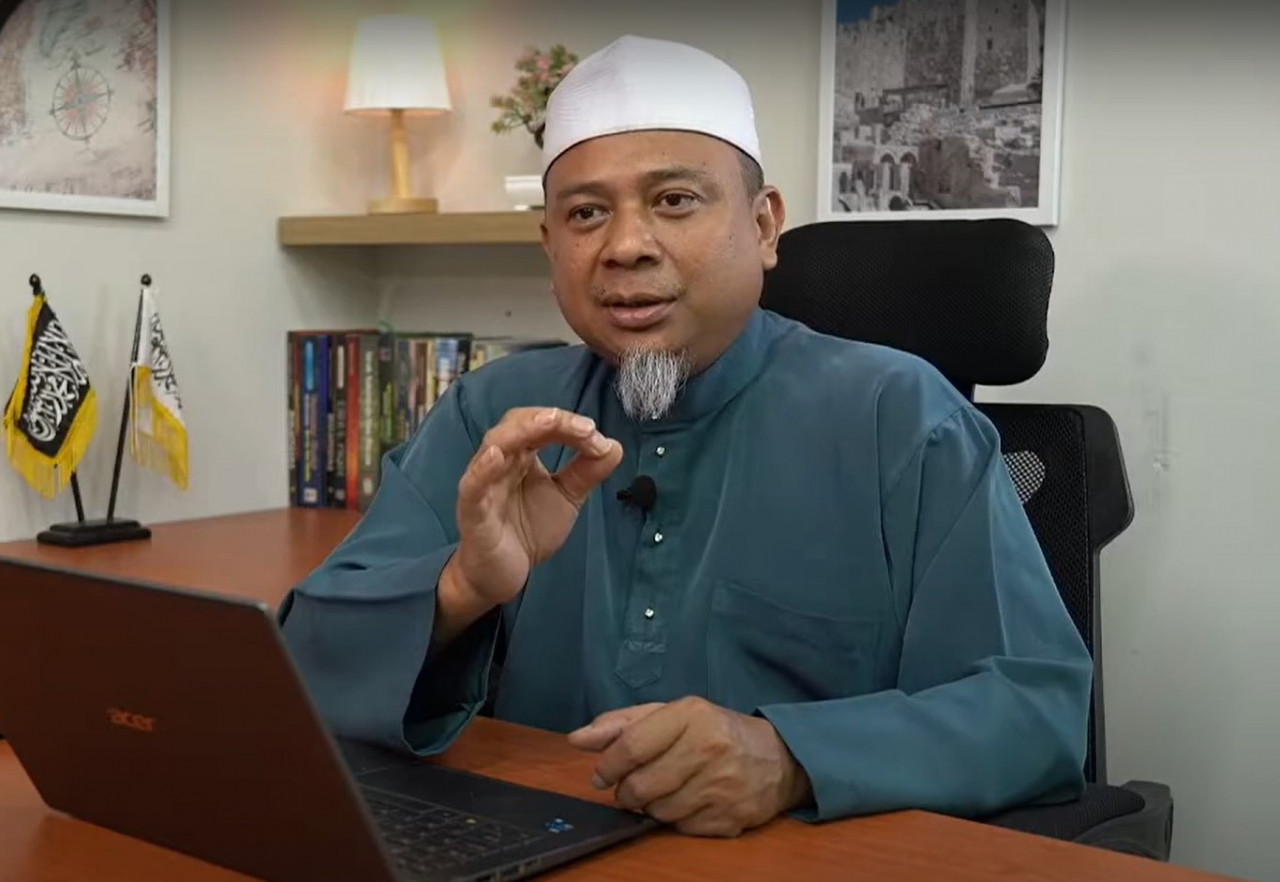
According to Hakim, in the Malaysian context, it is those who appear to champion democratic principles that pose a threat to such concepts.
“In Malaysia, since the Sheraton Move, the country saw two prime ministers appointed in a manner which was not democratic.
“Although they weren’t labelled anti-democratic, the reality is that the move was in itself not democratic,” he added.
Fear of Islamic law due to distortion
Despite labelling the perpetrators of the Sheraton Move as undemocratic, Hakim explained that HTM seeks to impose an Islamic form of governance through the rule of an Islamic caliphate.
“In a democracy, the sovereignty is with the people which allows them to make laws without the interference of religion.
In Islam, sovereignty belongs to the shariah, which means the right to make law belongs to Allah.
“However, we want to make it clear that although we say democracy goes against Islam, we don’t mean that Muslims become ‘kafir’ (infidels) if they practise democracy,” he said.
Questioned whether an Islamic caliphate system would sit well in a racially and religiously diverse nation like Malaysia, Hakim said many non-Muslims’ fear towards an Islamic governing system comes from misinformation.
He said that he is aware of the discourse on the application of hudud law in Malaysia, but pointed out that the issue has been politicised – stunting intellectual discourse over the matter.
“Conversation on hudud law is not done on a correct and wide scale, (and is carried out) with the mistake of politicising it.
“They don’t discuss the law itself...their political interest is more apparent.
“In fact, there are systems under Islamic governance to prevent miscarriages of justice, which allows the judiciary to act as a check-and-balance against the caliph and his officers,” Hakim explained.
Fatwas baseless, monarchy not threatened
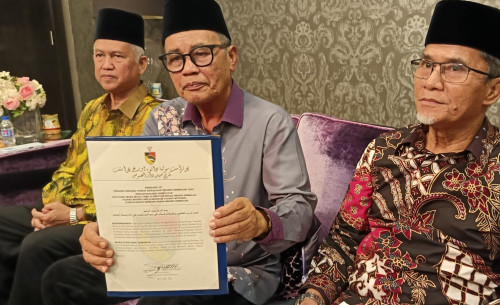
The state of Johor has issued a fatwa (Islamic legal edict) against HTM stating that the group’s ideologies contravene the principles of Sunni Islam, while the Selangor Fatwa Committee has described the group as deviant.
Hakim, however, claims that the fatwa were issued upon baseless contentions, adding that HTM has presented counterarguments against the allegations in these rulings.
“If you read Johor’s fatwa, they claimed that HTM threatens national security,” he said.
“But the thing is, matters pertaining to national security are not for the fatwa committees, but the police force or the Home Ministry.
“As long as HTM has existed, we never had problems with the police (force), and they always assist us when we do demonstrations.
The police (force) knows very well that HTM is a non-violent political organisation,” he explained.
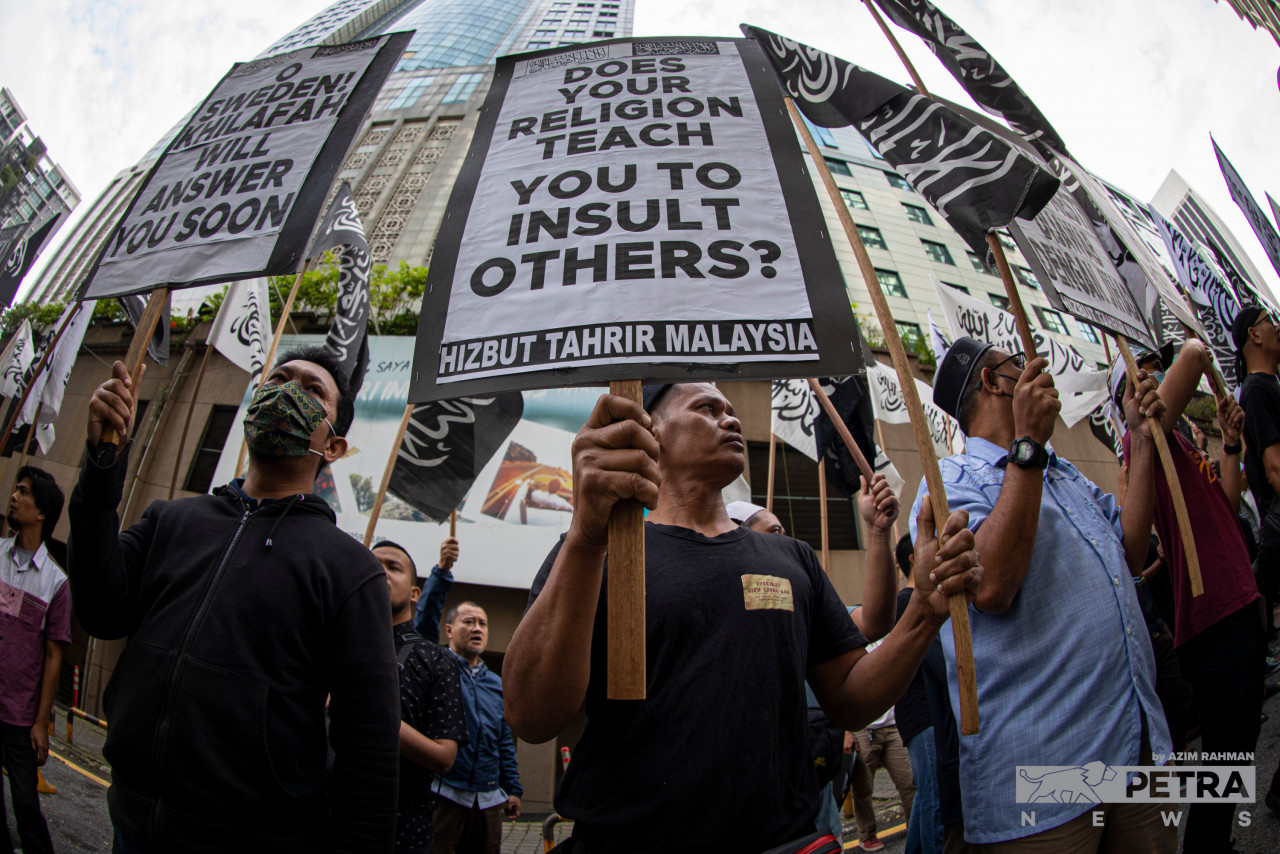
Questioned if their ideologies could pose a threat to Malaysia’s constitutional monarchy system, Hakim said rulers in Malaysia are Muslim and have nothing to fear, as HTM’s ideologies are based on Islam.
Our monarchs are all Muslims, and what HTM calls for is all based on Islam.
“So no one, if they are Muslim, should feel threatened,” he said.
Meanwhile, Hakim also touched on what the potential outlawing of HTM would mean to the group, pointing towards Hizbut Tahrir’s operations in Indonesia after being deregistered.
Refuting allegations that Hizbut Tahrir’s members were forced to operate underground, he said that individuals from the group continued their operations in public.
He explained that although the group could not use Hizbut Tahrir’s name in Indonesia, their activities are well publicised in mass media.
“It’s the same thing in Malaysia, albeit a little different, as we did not succeed in registering ourselves as a political party.
“We never work underground in Malaysia, and all our seminars and demonstrations have been public.
“In fact, our memorandums have been accepted by the government offices in Putrajaya before, including the Prime Minister’s Office,” Hakim said. – The Vibes, January 31, 2023