KOTA KINABALU – Sabah’s Community Development and People’s Wellbeing Minister Datuk James Ratib has urged the Health Ministry not to delay the implementation of the health white paper, lest it suffers the same outcome as the Malaysia Agreement 1963 (MA63).
James, who is Sabah’s health executive councillor, said the MA63 was implemented only after decades of planning and discussions.
“We don’t want this to end up like a second MA63, where it was implemented after years of analysis.
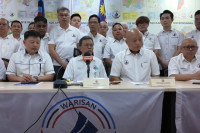
“As a minister, I will make sure what was presented (in Parliament) will be implemented,” James said in his closing note during the Health Ministry’s health white paper townhall session held at the federal administrative complex here today.
James added that Sabah has not been treated fairly well when it comes to health allocation from the ministry compared to other states this year.
He said that Sabah only received RM69 million, while states such as Negri Sembilan received over RM100 million in allocation.
Melaka, which he claimed is smaller than his constituency, Sugut, also received better allocation than the Borneo state, James added.
He said that he had been receiving an overwhelming number of complaints from the people over the poor state of health facilities in Sabah.
“The ambulances are in poor condition…some of them have been in service since Malaysia’s independence.”
However, James admitted that the federal government cannot be solely blamed for all the drawbacks in Sabah.
He said that Sabah also lacks many basic amenities, mainly electricity.
For instance, he said the hospital in Kota Marudu had its own CT scan machine, but due to constant power failure at the health facility, it was returned to Peninsular Malaysia.
Early stages
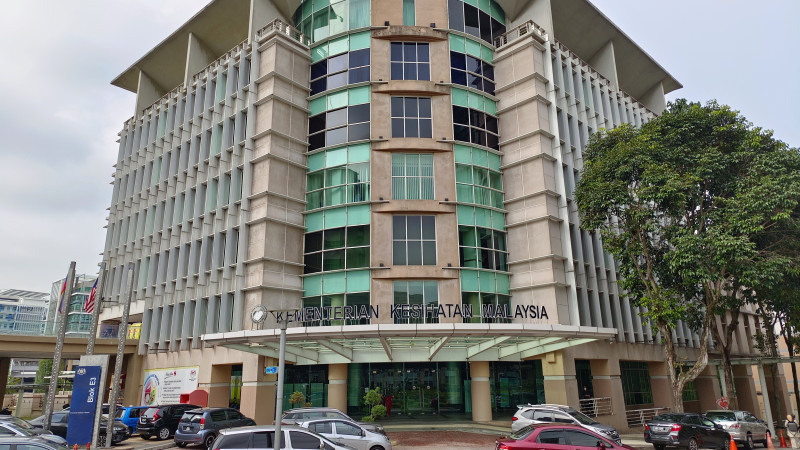
Meanwhile, Health Minister Dr Zaliha Mustafa said that the health white paper is still in its early stages, as the ministry is welcoming views and suggestions towards formulating the future-proof blueprint.
The health white paper is to ensure the sustainability of healthcare funding by diversifying funding sources for health, wherein special focus is given to the development of a national health insurance scheme.
Newly appointed health director-general Datuk Dr Radzi Abu Hassan said the situation in Sabah and Sarawak is unique, and that one of the health white paper’s objectives is to fix the disparity between the Borneo states and the peninsula.
“We are aware that the people of Sabah and Sarawak feel left out, but we need to ensure that a different strategy is used from that in Peninsular Malaysia.
“For instance, the formula in deciding to set up health facilities in the rural areas of Sabah and Sarawak is different compared to that for those in Peninsular Malaysia.”
The population in Sabah and Sarawak are scattered, and some of the areas do not qualify for any health facilities due to the numbers, he noted.
Radzi said this is something that the ministry is looking to change moving forward. – The Vibes, April 28, 2023