KUALA LUMPUR – The outcome of the recent Perak menteri besar crisis reflects the interdependence of Malay-based parties in maintaining political dominance despite their respective rifts, analysts said.
Singapore Institute of International Affairs senior fellow Oh Ei Sun told The Vibes that despite the squabbles seen in the tussle, Bersatu, Umno and PAS showed a strong resolve to maintain Malay-dominated ruling coalitions at both federal and state levels.
“The variation is simple, on which party is to be the domineering one in such coalitions.
“Umno, being the ruling party with the largest share of seats, will naturally love to ‘rectify’ the hitherto ‘abnormal’ arrangements, whereby Bersatu, with vastly fewer seats, was nevertheless helming the federal and a few state governments.”
He said Bersatu lacked a firm grip on the state and national political agenda, but worked hard to retain power, irking the more popular Umno.
However, he said, if Bersatu was forced to compromise in Perak, it would have little choice but to give in to Umno in other states, such as Sabah.
On the other hand, PAS is a fence-sitting kingmaker that instigated both Umno and Bersatu in its attempt to woo support with a few but influential seats, by means of competitively accommodating the Islamist party’s religious socio-economic agenda, he said.
As for Pakatan Harapan’s chances of usurping Umno and its relationships with its Perikatan Nasional allies, Oh said the opposition is eager to recapture the federal and state governments, and ready to drive a wedge in relationships between the ruling coalition’s components.
“They may or may not succeed in winning over some of the ruling elite politicians.
“But ultimately, their chances depend, to a large extent, on the attitude of the majority of the overwhelmingly conservative Malay electorate, which continues to prefer a Malay-centric ruling coalition.”
Last Friday, the Perak government fell after Chenderiang assemblyman and Bersatu deputy president Datuk Seri Ahmad Faizal Azumu lost a confidence vote in the state assembly.
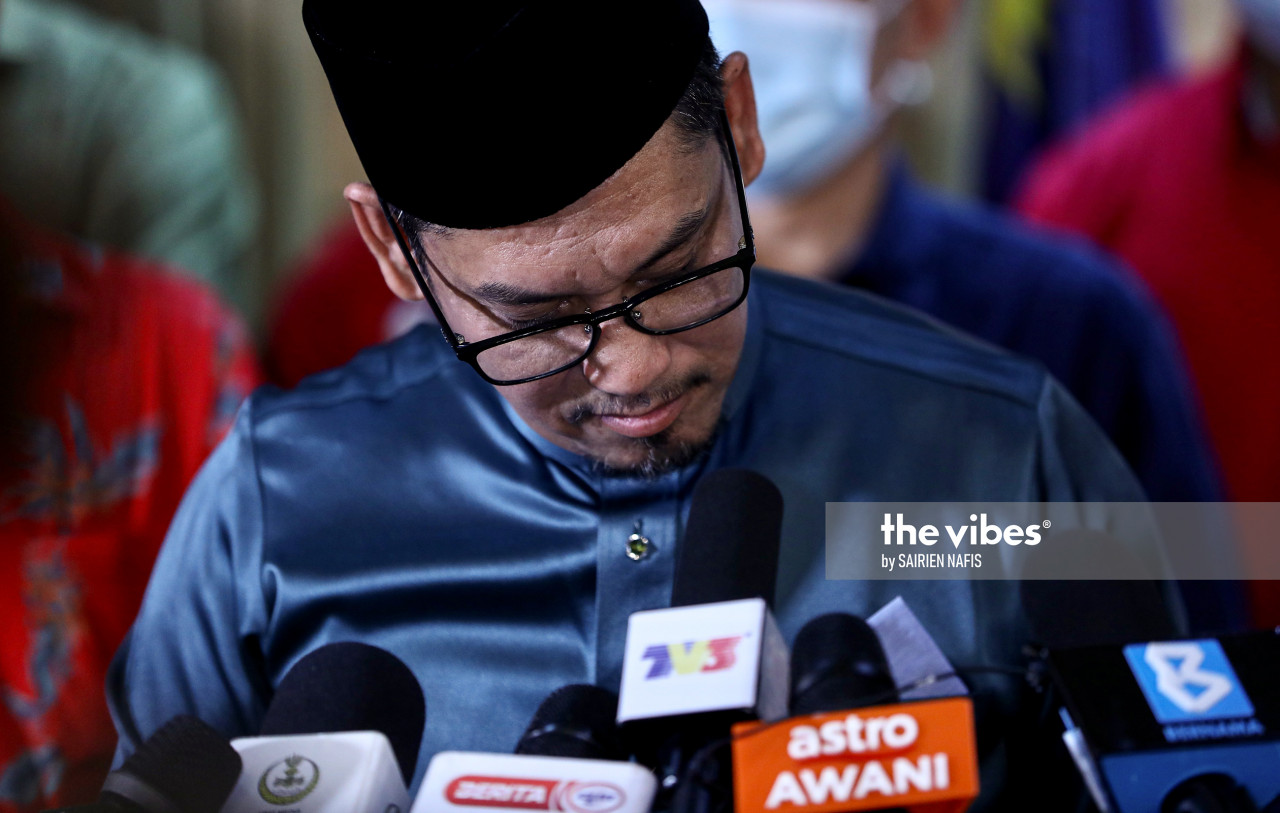
The crisis caused rifts between PN components, with Umno president Datuk Seri Ahmad Zahid Hamidi saying his party was willing to consider new political alignments if a PN state government failed to materialise.
However, Bersatu, Umno and PAS then agreed on Perak Umno liaison committee chairman Datuk Saarani Mohamad as their menteri besar candidate.
Saarani was sworn in to the post yesterday.
Echoing Oh’s sentiments, political observer Azmi Hassan said the swiftly resolved crisis in Perak demonstrated how Bersatu and Umno knew they needed to cooperate to ensure their political survival.
“Both parties’ leaders are very much aware that a wrong Perak step would spell disaster, not only for Perak PN, but also PN at the national level.
“The one good thing coming from this episode is that Umno was willing to admit its mistake for being too gullible, while Bersatu adopted a proper give-and-take attitude.”
He added that PAS had shown its “best” by not being difficult in the crisis, siding with neither Bersatu nor Umno.
“The agreement by Bersatu, Umno and PAS on the MB candidate demonstrates that PN – at both state and federal levels – is at a breaking point, but all three entities are willing to do anything to preserve it.”
With the cohesion shown by the three parties, he said, PH will face difficulties trying to usurp Umno.
Nevertheless, Azmi said there are still issues within the PN fold, especially between Umno and Bersatu.
“But, the Perak episode saw the MB issue being resolved amicably. Sure, there are seat allocation issues, which is the main problem within PN, but after taking cue of the end of the Perak fiasco, these warring parties will for sure be able to reach a middle ground.” – The Vibes, December 11, 2020










_Datuk_Rusdi_Mohd_Isa._Facebook_pic..png)