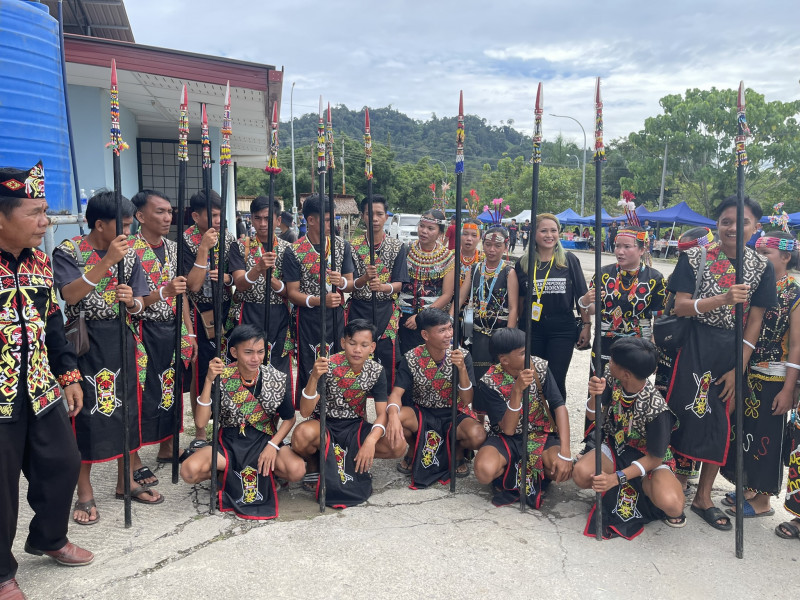
KOTA KINABALU – The rich cultural heritage of Borneo’s Murut indigenous communities came alive at the inaugural Ilau Pasisimpungan Murut Borneo festival last weekend, with thousands of people enjoying traditional dances, rituals, and food.
The grand celebration brought together Murut communities from Keningau, Tenom, Nabawan, and over 200 participants from Nunukan, North Kalimantan, Indonesia, highlighting the unity and diversity within the ethnic group.
They gathered at Dataran Nabawan, 175km from the state capital here, to celebrate the significance that the Murut people have in Borneo’s history.
The community is spread across various regions of Sabah, including the interior districts of Pensiangan, Keningau, Tenom, and Sipitang. They can also be found in Sarawak's border areas of Lawas and Limbang, as well as in Brunei’s Temburong, and North Kalimantan’s Malinau and Nunukan regencies.
All of them are part of the same ethnic group, sharing similarities in customs and culture, with minor differences in language such as dialects and intonations.
Organising chairman Raymond Ahuar said the Ilau Pasisimpungan Murut Borneo event stood as a vibrant celebration of the Murut community’s cultural legacy, showcasing their unique traditions and customs, while also promoting unity and peace.
“The gathering overall exemplified the Murut people’s commitment to preserving their rich heritage for future generations,” he said.
Blood ritual
The Murut community used to practise blood rituals. They were among the last of indigenous tribes to abandon headhunting in Sabah.
In the practice, the number of human skulls captured demonstrates a man’s capability to protect his family and win a wife from other families or tribes.
However, with the arrival of ancient Chinese merchants in Sabah, the Murut people began transitioning away from these rituals and symbols, according to Rolland Luyan from Sipitang, where he is active in a Murut community association.
“In place of the dangerous headhunting practice, the Muruts replaced it with a ritual known as Ansaluang.
“These deadly cockfight matches are held to dispel disasters, resolve disputes, and even determine a bride for men seeking marriage,” Luyan told The Vibes when met at the festival, where cockfights were also staged.
Citing his family’s oral history, he said Ansaluang dates back to as early as the seventh century when Chinese merchants began trading in Sabah. With cockfights replacing headhunting, it was used to settle disputes among the Murut people.

“Previously, headhunting played a crucial role in their customs and was even a prerequisite for a Murut man to marry a woman.
“However, with the abolition of this bloody practice during the British era, the Murut people adapted their traditions to embrace unity and peace,” Luyan said.
Cockfights are now also part of the ritual of welcoming any guest of honour for the purposes of “tolak bala”, which means to dispel calamity, or to ward off bad luck, Luyan added.
With headhunting outlawed during the British North Borneo Company-era, the Murut adapted their traditions to embrace unity and peace.
Luyan said Ansaluang became an important rite to unite tribal leaders during the Rundum Uprising in 1915.
The uprising was sparked when tribal leaders from Pensiangan, Tenom, and Keningau formed alliances to resist the imposition of excessive taxes by the British in North Borneo.
Another reason for the strong resistance was the North Borneo Company’s attempts to get Murut families hand over a child each to work as slaves, Luyan said.
Adapting traditional costumes
Other subtle changes followed after the Muruts stopped headhunting.
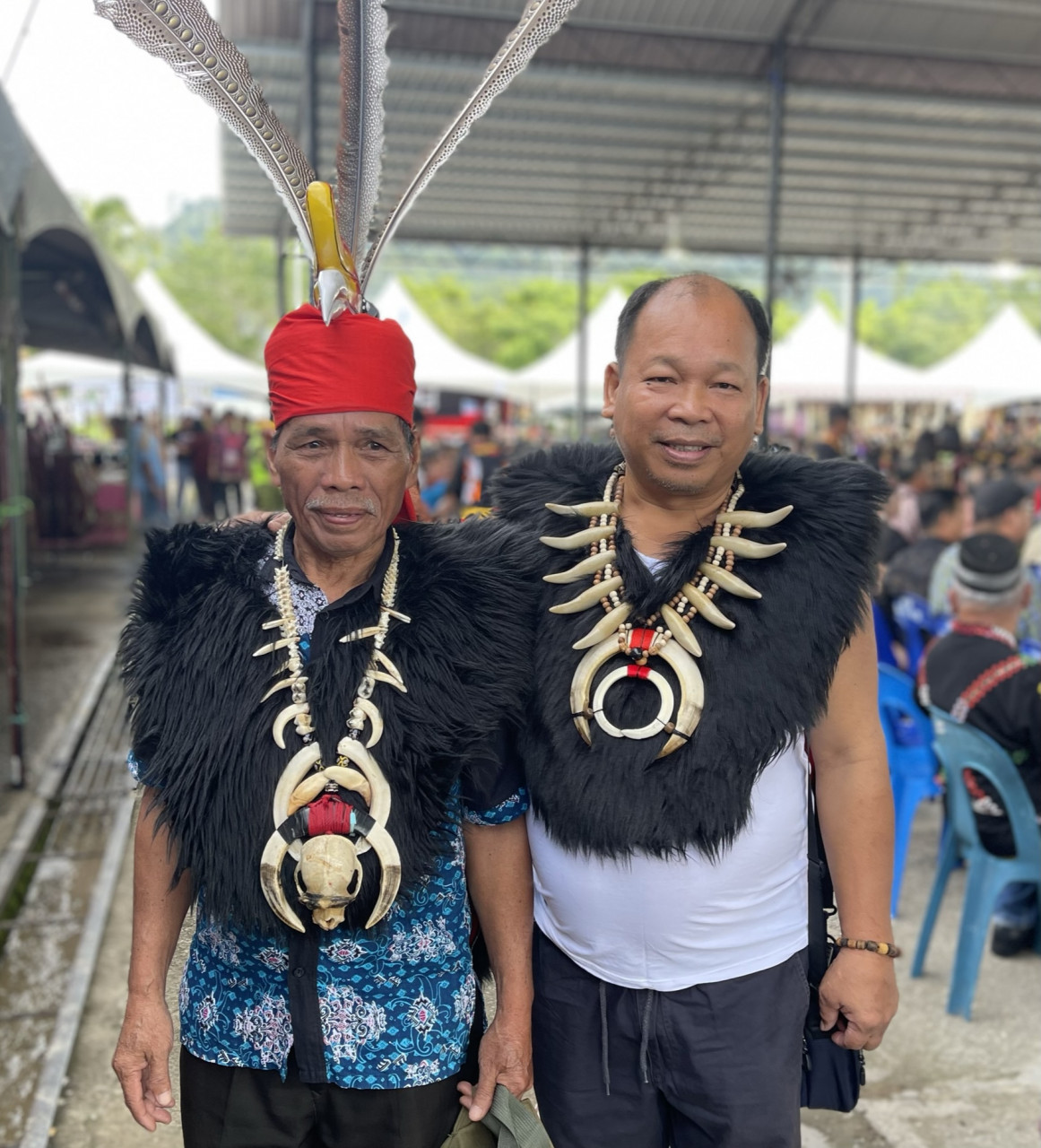
These include details and accessories in traditional costumes, such as replacing human skulls used to adorn headdresses with the skulls of macaques.
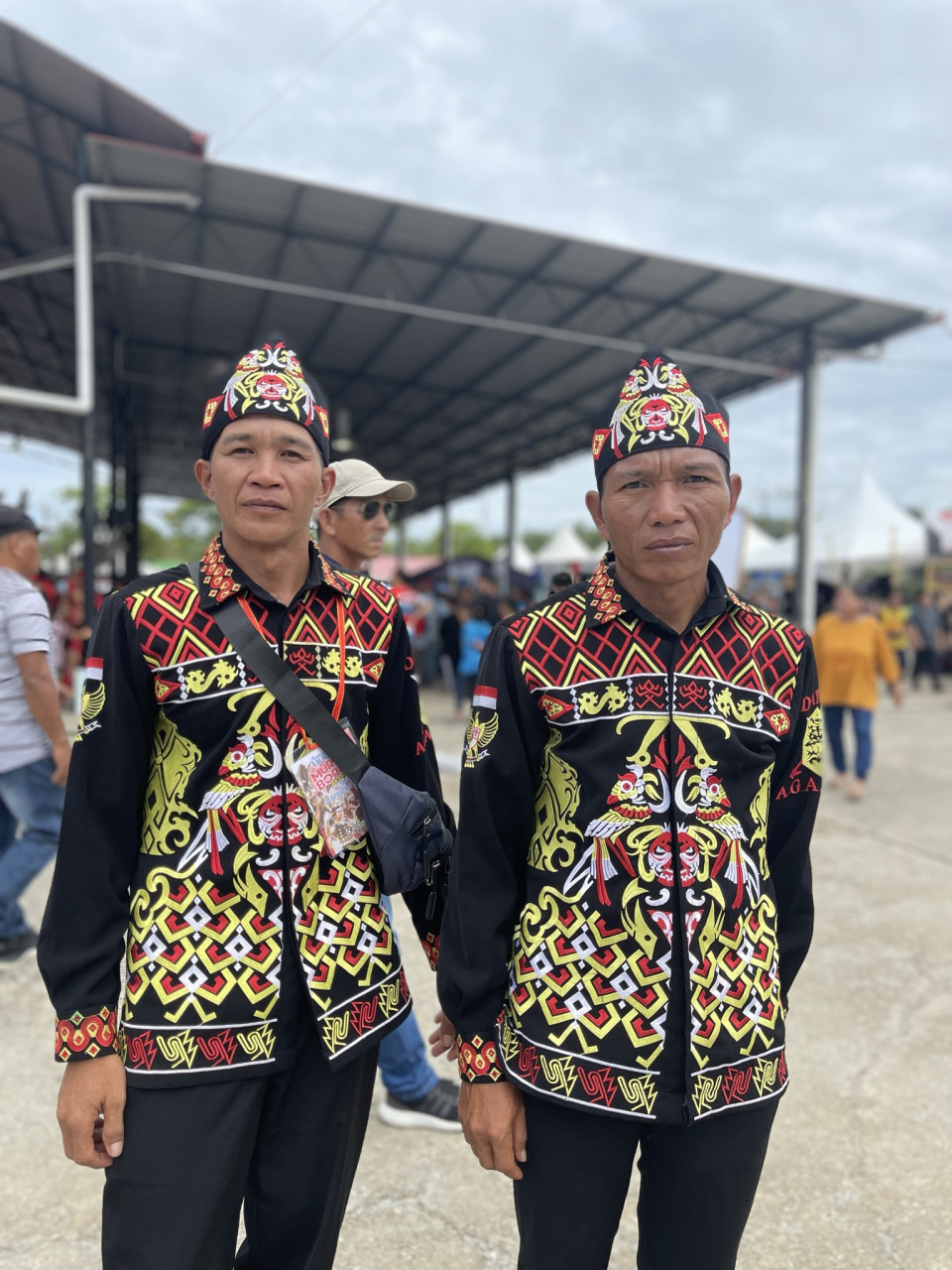
Herbert Roger, from Sipitang, said traditional costumes vary among the different Murut sub-ethnic groups, even though they may appear quite similar at first glance.
Other changes that have come with time are the use of fake feathers made from plastic, where hornbill feathers were used before. It is now illegal to possess the bird’s feathers.
“If the real feathers are used (in costumes), it is probably because the birds were found dead in the forest,” Roger said.
As for the traditional necklace or “rarangkol”, Roger said some still displayed wild boar fangs besides the colourful beads. – The Vibes, July 26, 2023