![[UPDATED] Drug addicts need treatment, rehab, not jailing: Zaliha](https://media.thevibes.com/images/uploads/covers/_large/17032023_-_Health_Minister_Dr_Zaliha_Mustafa_visits_Kuala_Lumpur_Hospital_(HKL)_-_SYEDA_IMRAN_-_26.jpg)
KUALA LUMPUR – In comments reflecting a major shift in how the government is set to treat drug addicts, Health Minister Dr Zaliha Mustafa described the compulsive behaviour as a chronic disease that does not merit detention or imprisonment.
According to her, addicts need treatment and rehabilitation, not incarceration. She said that prison is not a place to treat drug addicts as this can impede them from functioning as productive members of society.
“Prison is not the last resort for educating individuals involved in drug abuse,” she said when officiating the Addiction and Forensic Psychiatry Symposium here today.
Dr Zaliha was quoted by Bernama as saying that she believes a distinct approach from a public health standpoint is needed to provide treatment and rehabilitation to drug addicts.
She also admitted that there were many gaps and challenges that should be addressed between law enforcement and medical treatment for drug addicts.
Dr Zaliha said that in addition to a legal point of view, there were also challenges in rehabilitation centres, where drug addicts are struggling with symptoms of withdrawal syndrome or physical and mental illness due to drug addiction.
“This poses difficulties in formulating an effective treatment plan… this also prevents appropriate treatment and rehabilitation from being given – and at the same time delays the legal process.
“As a result, the disease prognosis will worsen, and the courts will become more congested,” she said.
She added that from a legal point of view, the legal system and treatment through a community-based approach can be the catalyst for the desired change.
Parliament is expected to see the tabling of a bill for a new law called the Drug and Substance Abuse (Prevention, Treatment and Rehabilitation) Act early next year.
The legislation, which would replace the Drug Dependants (Treatment and Rehabilitation) Act 1983, would entail a radical change of approach towards drug abusers and addicts.
From being subjected to prison sentences, as many are currently being hit with, they will be provided rehabilitation and treatment programmes without going to jail.
The move is also expected to ease the problem of overcrowding in prisons.
It is reported that minor drug offenders make up 63% of prison inmates in the country.
It was announced in July that the Prime Minister’s Department’s legal affairs division was studying the establishment of a sentencing council to review all criminal sentences, including drug-related ones, under Malaysian law.
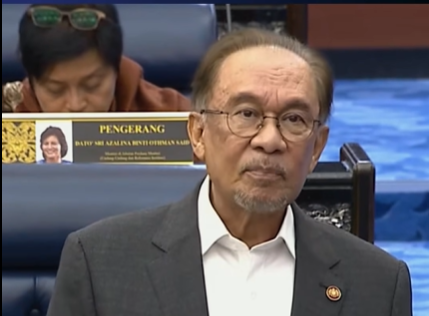
According to Datuk Seri Azalina Othman Said, the minister in charge of law and institutional reform, the council would provide guidelines and reduce prison sentences by promoting more rehabilitative and restorative sentences across criminal law.
The move also includes studying ways to overhaul the Offenders Compulsory Attendance Act 1954.
“It is to promote imposition of community-based rehabilitation instead of imprisonment for offenders sentenced to imprisonment for three years and below, in particular for first-time offenders,” she had said.
On July 10, the issue was deliberated over in a meeting of the cabinet committee on eradicating drugs, which was chaired by Deputy Prime Minister Datuk Seri Ahmad Zahid Hamidi.
A joint cabinet paper on the new proposed measures with the home and health ministries is targeted to be presented by the next parliamentary sitting at the end of this year. – The Vibes, August 28, 2023