By M. Vivekananthan
THOUGH geographically compact, Malaysia presents a complex political scene - with close to 30 political parties organised into four major coalitions competing for federal control.
From the outlook this may appear to be a thriving democracy with voters enjoying a wide array of choices.
However, sheer numbers do not necessarily translate to meaningful change.
What tangible improvements can this diverse collection of smaller parties realistically bring to the political landscape?
Also, how can they differentiate themselves enough for voters to clearly understand their distinct platforms, goals, and ideologies?
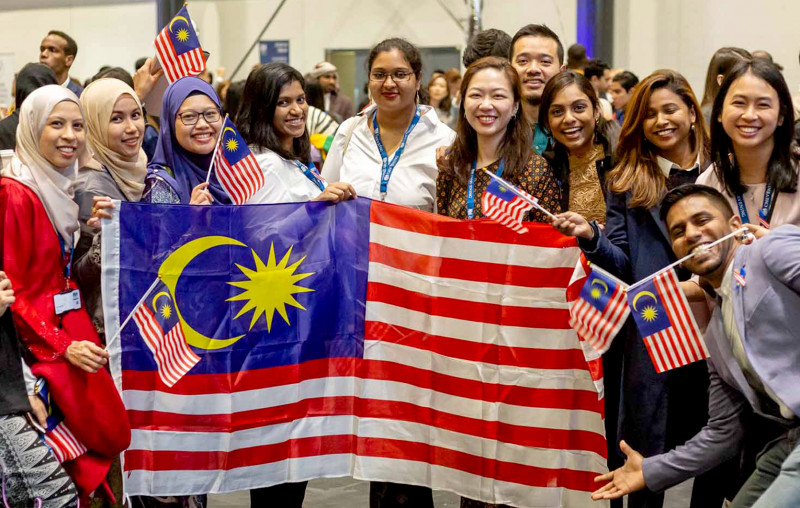
Young Malaysians have become a powerful political demographic, poised to potentially transform the nation's democratic landscape.
Their votes have the potential to shift away from the entrenched practices of race-based politics, patronage networks, political deals, and the influence of an older generation of politicians.
Malaysia’s true digital natives, Generation Z, is one that grew up with the internet.
Generally referring to those born between 1995 and 2010, Gen Z makes up almost 28% of Malaysia’s population and has unique characteristics that sets them apart from the Millennials and Baby Boomers.
The oldest of the Gen Z demographic are now 24 and would have recently acquired spending power.
Internet penetration among those aged 18-24 is high at 98%, while 99% own a smartphone.
This is a generation that has a distinct ability to process and cut through large amounts of information and seamlessly navigate between the online and offline worlds.
Malaysia's multiracial and multireligious identity has long been our greatest strength-but also an easy target for exploitation.
For decades, coalition parties operated on a system of power-sharing, an imperfect but functional way to manage diversity.
But as political competition intensifies, race and religion have transformed into weapons of survival.
Political discourse should abandon the exploitation of racial and religious sentiments and focus on the crucial task of youth empowerment.
The priority should be clear: empower the youth, not engage in divisive race and religion politics.
It's time for a political paradigm shift: from race and religion to genuine youth empowerment.
M. Vivekananthan is an ex-government servant who served various ministries and agencies for more than 30 years