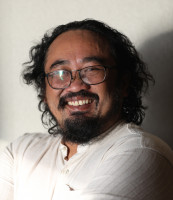
NEARLY six months after Pakatan Harapan (PH) held its Sabah leadership election, the coalition appears no closer to finding its footing — even as the state prepares for its most consequential polls in years.
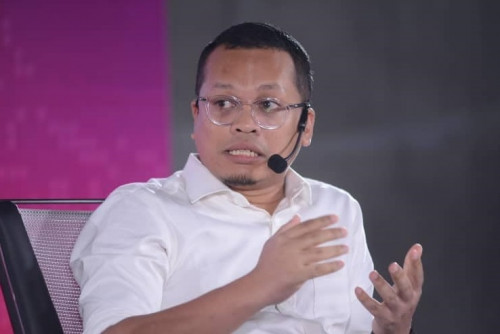
The source of the malaise is no longer a mystery. Many within PH trace it back to December 1, 2024 — the day Datuk Ewon Benedick of Upko was elected as Sabah PH chairman. His narrow win over then-incumbent Datuk Christina Liew was seen as a generational shift.
But for PKR, the largest component of the coalition, it marked a turning point of a different kind.
PKR never fully accepted the outcome.
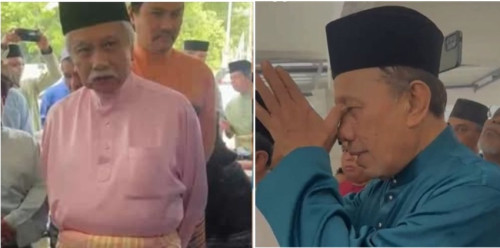
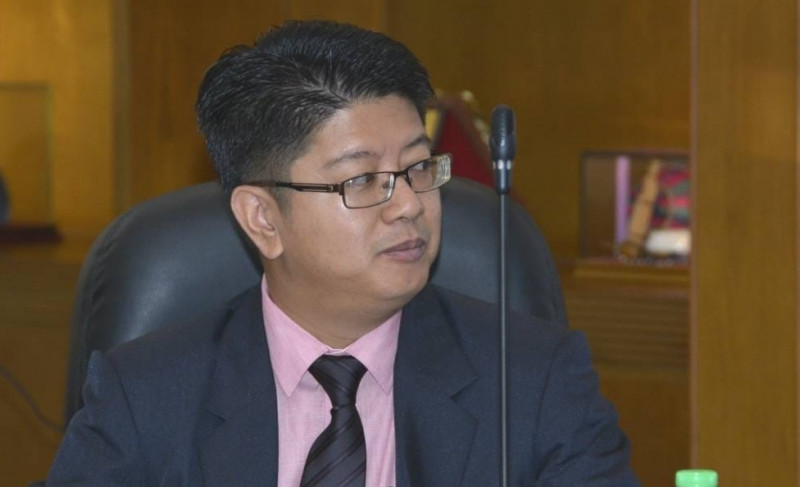
Though Ewon’s election was procedurally valid, the sentiment within PKR was that the post should have remained theirs. Liew, after all, had led the coalition since 2018. And in the lead-up to the vote, most had expected PKR’s Datuk Mustapha Sakmud to run — until he withdrew at the eleventh hour, reportedly in deference to Liew (pic- below).
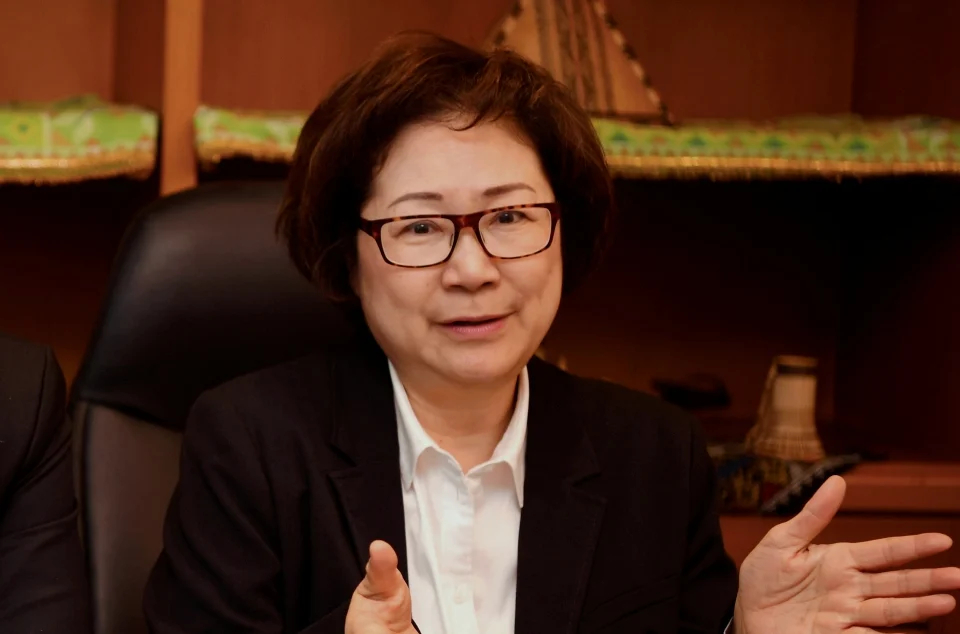
That moment allowed DAP and Upko to coalesce around Ewon. He won by three votes.
Since then, the coalition has not met formally. What had been routine joint press statements are now issued separately. Strategic discussions are held in silos, if at all.
The fragmentation has been most apparent in PKR — and it surfaced again this week.
On Sunday, May 19, Sabah PKR information chief Razeef Rakimin issued a statement expressing dismay over the party’s sudden launch of its state election machinery.
The event, officiated by vice-presidents Nurul Izzah Anwar and Amirudin Shari, took place at the Sabah International Convention Centre. It had not been coordinated with state leaders.
“I was bombarded with questions from the media and Keadilan members… but I truly didn’t know anything,” Razeef said.
He claimed only a handful of Sabah leaders were informed, just days before. Worse, even PKR’s own deputy president Rafizi Ramli — who was hosting a separate campaign event in Penampang at the same time — was apparently left out of the loop.
The resulting impression, even among party loyalists, was one of disarray.
Behind closed doors, some believe the launch was used as a campaign stop for Nurul Izzah, who is contesting the party’s deputy presidency. Her supporters now command the majority of Sabah PKR’s divisions — 21 out of 25.
Yet the party, like its coalition, remains at a standstill.
Leadership remains unresolved.
The coalition has not clarified its position on alliances. And the friction has left once-promising talks with Gabungan Rakyat Sabah (GRS) suspended — particularly after Sabah PKR leaders briefed Chief Minister Datuk Seri Hajiji Noor on their objections to Ewon’s appointment.
In recent months, PH’s component parties have begun drifting toward separate strategies. Sabah DAP, for instance, was given the green light by its national leadership in December to reassess its position in Hajiji’s government. That was in response to growing public anger over corruption cases involving figures linked to GRS and Umno.
DAP chairman Datuk Phoong Jin Zhe had said then:“We will listen to the people’s views and get their ideas… This feedback will help us decide what we need to do.”
Four months on, there has been no update. The coalition has yet to convene a meeting on the matter.
Complicating things further was the suggestion — floated earlier this year by Sabah BN chief Datuk Seri Bung Moktar Radin — that PH could explore cooperation with Barisan Nasional. Neither DAP nor PKR supported the idea. Both issued their own statements opposing it. No joint position was released.
In short, Sabah PH is operating without a unified voice — and without a clear path forward.
Even within GRS, there is little clarity. Hajiji may still be open to PH as a partner, but other coalition components remain wary, especially given the absence of a stable counterpart across the aisle.
What’s becoming clearer by the week is that PH, once seen as a potential kingmaker in Sabah, is now struggling with its own relevance. For voters who remember the coalition’s unity in 2018 — and the state-level cooperation it maintained through much of the post-GE14 era — the current silence is striking.
The campaign clock is ticking. But for now, Sabah PH remains caught in the same place it was six months ago — still waiting for leadership, still waiting for direction. — May 20, 2025