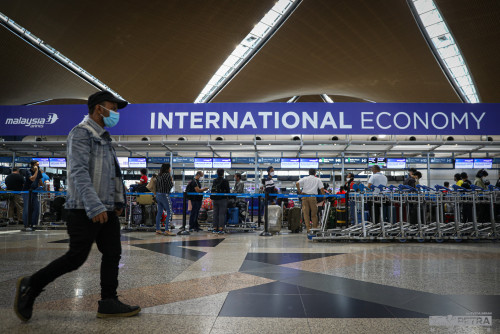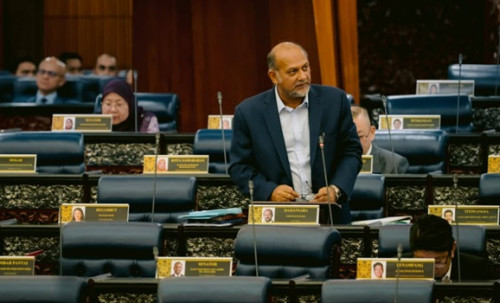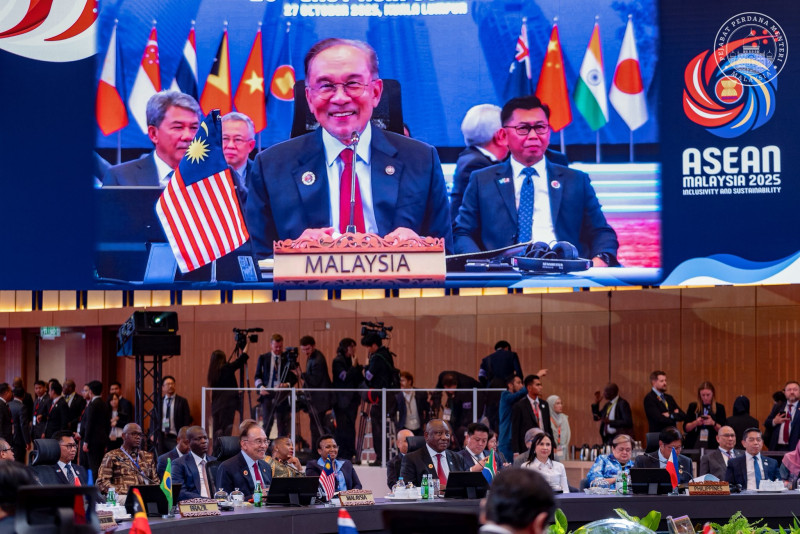

THERE are moments when a nation stops being a footnote and becomes a headline. The recent ASEAN Leaders’ Meeting in Kuala Lumpur was one of those moments. Over three days, the world’s attention fixed on Malaysia—not as “Asia’s best-kept secret,” but as a confident convenor of power, ideas and possibility.
From heads of government and dialogue partners flying in, to a historic expansion welcoming Timor-Leste into ASEAN, Malaysia didn’t just roll out a carpet; we set a table and filled the room.
This is what leadership looks like in a complicated world: convening adversaries, holding space for difficult conversations, and pushing for outcomes that leave the region safer and more prosperous.
In Kuala Lumpur, ASEAN under Malaysia’s chairmanship drove tangible progress—deepening economic links, advancing regional security conversations, and broadening the tent. The admission of Timor-Leste as ASEAN’s 11th member was more than symbolism; it was a vote for a more inclusive, resilient Southeast Asia.
And the world noticed. When nearly two dozen leaders and major partners converge on your capital, you are no longer a peripheral venue—you are a platform.
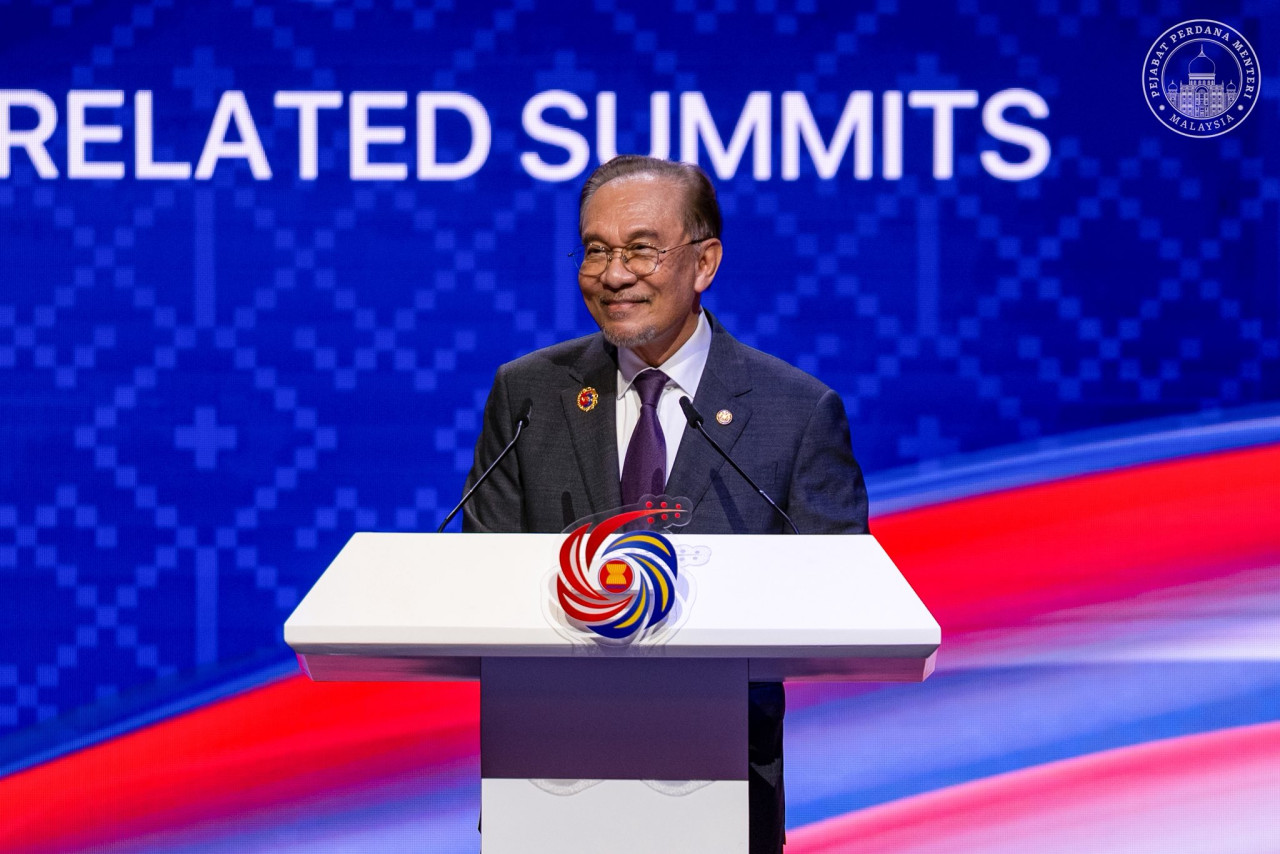
That visibility translated into real soft power for Malaysia and for the Prime Minister, Datuk Seri Anwar Ibrahim, who demonstrated what principled pragmatism looks like: speak to everyone, anchor in values, deliver outcomes.
A city that sells itself
Kuala Lumpur made the case better than any brochure. From the shimmering Petronas Twin Towers to Merdeka 118—now the second-tallest building on earth—the skyline told a story of ambition married to craft.
Delegations could step out of plenary sessions into a city where architecture, culture and commerce co-exist with ease. And they ate accordingly: KL has been ranked the world’s No. 7 city for food, with nasi lemak crowned the must-try dish—proof that our diversity doesn’t just look good on a poster; it tastes like home.
The warmest capital in Asia
What most leaders and media took away, though, wasn’t steel and glass—it was people. Malaysians did what we do best: we welcomed, we served, we solved. That human capital—grace under pressure, instinct for hospitality, fluency across cultures—turned a high-stakes diplomatic week into a masterclass in how an open society runs big things well. (Ask any delegate who tried to pay for teh tarik and failed because a stranger insisted, “Ini Malaysia.”)
The dividends are real
Events like this must be judged by outcomes, not optics. On that score, the economic uplift is already visible, whether in tourism and attention, visitor spend, business and policy events or macro confidence.
Add it up and you get more than room nights. You get trade conversations fast-tracked, investor due-diligence shortened, and a narrative shift that money can’t buy: Malaysia as a reliable convener in a fracturing world.
That’s why currencies firm when diplomacy works and why SMEs are calling the summit’s green-economy push a “game-changer.” Diplomacy, done right, is an economic policy.
A new global perspective on Malaysia—and on our Prime Minister
International partners saw a Malaysia that is modern without arrogance, rooted without being insular, and led by a Prime Minister who believes that you change minds by being in the room, not shouting from outside it. In KL, engagement wasn’t a slogan; it was a strategy, and it delivered—from widening ASEAN’s tent to advancing cross-regional dialogue under Malaysia’s chairmanship. That is statesmanship with results.
From “best-kept secret” to best-kept standard
I’ve long argued that social capitalism—doing well by doing good—is the only sustainable path for nations like ours. What the ASEAN week proved is that Malaysia already lives this idea: we welcomed the world, we respected differences, we built bridges, and we generated value—for hawker stalls and hotels, for startups and statecraft. The tangible benefits are flowing, but the deeper win is reputational: trust.
Kuala Lumpur didn’t just look beautiful. It felt possible.
Let’s not let this be a moment; let it be a standard. Keep the doors open. Keep the conversations honest. Keep the hospitality fierce. If we do, the world will keep coming back—not just for our conferences or our cuisine, but for something rarer: a nation that believes prosperity and decency belong in the same room. – October 31, 2025
Datuk Dr Vinod Sekhar is the publisher of the Vibes and Chairman of the Petra Group