MALAYSIA faces a persistent paradox. We aim to reduce smoking, yet more than half of our tobacco market remains illicit. We raise excise rates, but health outcomes lag. We speak of ESG and the MADANI Economy, yet allow an unregulated black-market trade to undermine fiscal integrity and public well-being.
It is time to recognise the truth: the real problem is not nicotine dependence itself, but the unregulated, untaxed shadow economy that feeds on it. The solution lies not in prohibition but in harm-reduction through taxation, education and regulation.
The Fiscal Black Hole of Illicit Tobacco
Malaysia’s illicit cigarette trade still commands over 55 per cent of national consumption. Every illegal stick sold denies the Treasury its due and strengthens organised-crime networks. For every ringgit in tobacco duty collected, another ringgit disappears into the black market.
At the same time, our health-care system spends an estimated RM16 billion a year treating smoking-related illnesses. When revenue collapses and costs rise, the imbalance falls on public hospitals, taxpayers and future budgets.
Vape Regulation: From Liability to Opportunity
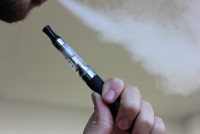
The Control of Smoking Products for Public Health Act 2024 (Act 852) finally gives Malaysia a framework to regulate vape and e-cigarettes. Instead of pushing these alternatives underground, we should bring them into the formal economy through a structured licensing, taxation and reporting regime.
From a fiscal perspective: - Licensing = Predictable Revenue. Annual fees for importers, distributors and retailers can fund enforcement and health education.
• Excise = Sustainable Budgeting. A modest duty per ml or per pod—kept lower than cigarette rates—can yield tens of millions without discouraging legal substitution.
• Data = Accountability. Linking vape transactions to the MyInvois e-invoice system ensures traceability, closing leakage loops.
Even conservative modelling shows RM60–70 million in annual licence and duty revenue, and potentially RM200–300 million recovered from reduced illicit-cigarette consumption. Crucially, this data-driven approach aligns excise planning, budget forecasting and health-cost modelling—making harm-reduction a policy instrument, not a policy exception.
Education, Tax Policy and Budgeting Discipline
Public-finance literacy and excise design must move together. Part of the licence revenue can fund tax-policy education and public awareness—helping citizens understand how excise supports hospitals, quit-smoking programmes, and enforcement. This transparency strengthens the social contract: people see where their tax ringgit goes.
Health and ESG Dividends
Transitioning adult smokers to lower-risk alternatives reduce hospital admissions and long-term costs.
From an ESG lens:
• Environmental: fewer cigarette butts and litter, easier product stewardship.
• Social: adult-only access, and revenue earmarked for health campaigns.
• Governance: digital invoicing and transparent reporting—cornerstones of responsible tax systems.
This is harm reduction with ESG discipline: healthier citizens, cleaner data, stronger governance.
Reducing Crime and Shadow-Economy Losses
Illicit tobacco is not petty crime—it is a logistics and corruption ecosystem. Regulated vape weakens its market base, while digital invoicing provides real-time sales data to Customs and LHDN. Fewer smuggling routes mean fewer opportunities for money-laundering and counterfeit trade. New Zealand’s example is instructive: by coupling harm-reduction policies with strong licensing and tax enforcement, it achieved one of the world’s lowest smoking and illicit-trade rates—without criminalising adult alternatives.
Malaysia can replicate that success if it blends fiscal realism with social pragmatism.
A Sustainable Fiscal Reform
Vape licensing is not a “sin tax”; it is a revenue-recovery mechanism.
Revenues can be transparently allocated:
• 50 % → Health Promotion Fund,
• 30 % → Anti-Smuggling and Customs Enforcement,
• 20 % → Environmental Clean-Up and ESG Grants.
Each ringgit raised both strengthens the budget and funds prevention.
Conclusion
As a tax professional, I view this not as a moral debate but as a fiscal equation. The data favour regulation; the science favours harm reduction; the ethics favour governance.
Malaysia can save lives, regain revenue, and enhance accountability by treating vape not as a vice to ban but as a regulated partner in public health. When fiscal prudence meets social empathy, the result is clear: less smoke, less crime, and a healthier nation. - November 25, 2025
Dr Mohd Fairuz A. Razak
Harm Reduction Action Network (HaRAN)