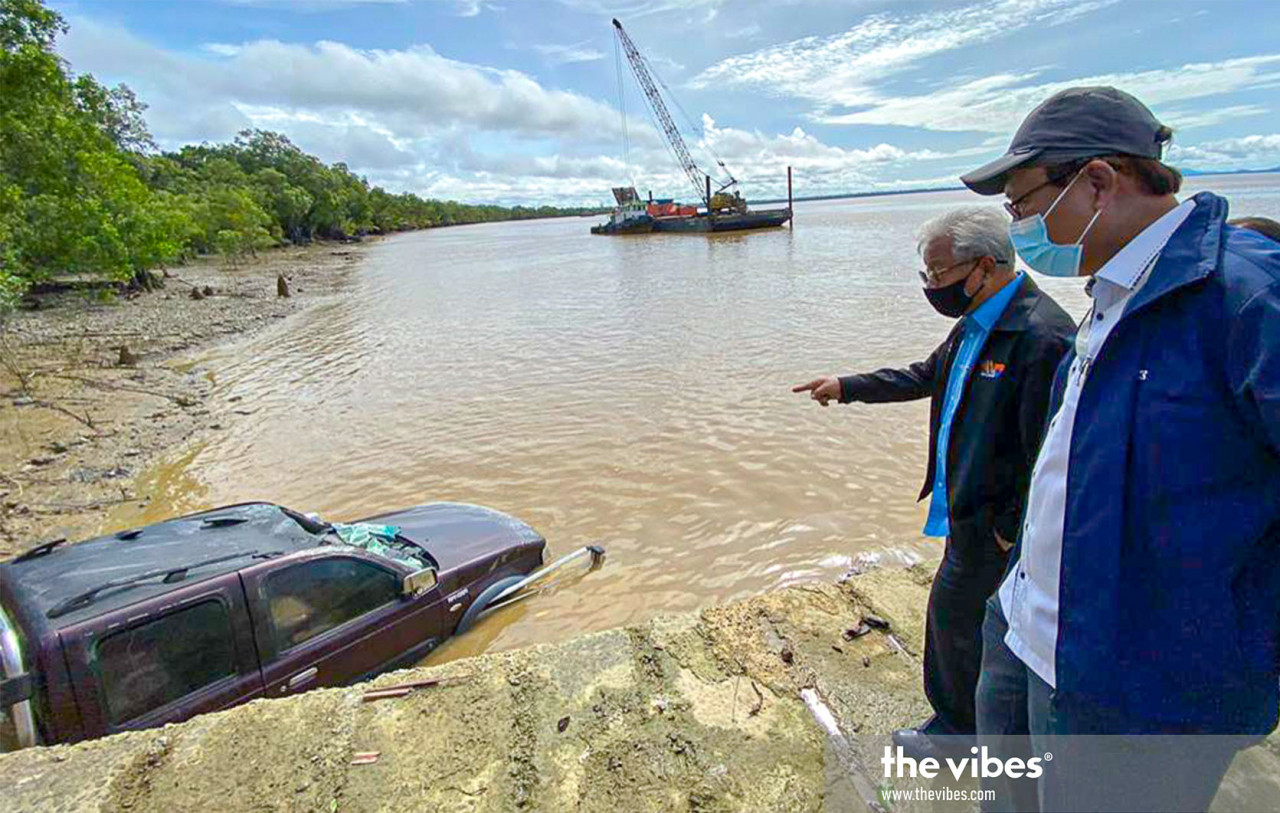
IT was a tragic New Year’s evening for Sarawakians. A four-wheel drive rolled off a ferry jetty at the Triso point, killing all nine occupants, including a baby and several children.
Sarawakians are no strangers to incidents like this. Riverine tragedies are quite common. Sometimes, due to the absence of a pedestrian bridge over rivers, many villagers crossing on foot are either mauled by crocodiles or eaten whole.
Such stories are reported by Sarawak media every so often. By the way, how much does it cost to build small utility bridges across these rivers?
In the wake of the Triso incident, Sarawakians will recall the Tasik Biru incident of 1979, when a bus ferrying students and teachers plunged into the lake, killing a trainee teacher and 29 students.
Rescuers managed to save the bus driver and conductor, and several students.
The noon tragedy that struck on June 7, 1979 is still fresh in Sarawakians’ memory.
Another event that Sarawakians will recall in the aftermath of the Triso tragedy is the sinking of the MV Pulau Kidjang on December 27, 1973 that claimed 121 lives.
The ferry sank off Tg Jerijeh about 2am, leaving only 38 survivors, including 18 crew members.
As I write this piece, there is no guarantee that similar incidents will not happen again in the rivers of Sarawak, considering the derelict inland water transportation that Sarawakians heavily rely on.
Some of these tragedies could have been avoided if not for the callous attitude of ferry operators and government agencies, and the poor upgrading of basic infrastructure, especially in rural districts and villages, such as Triso.
Issues to be addressed
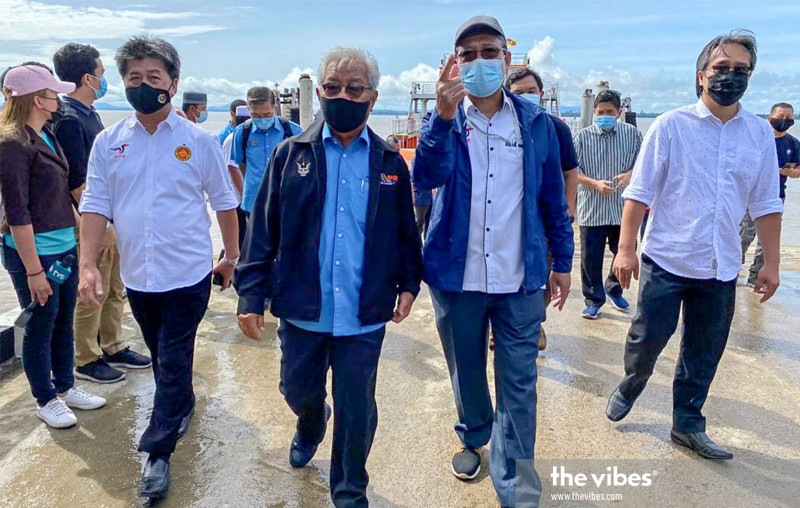
In a statement to local media today, Entrepreneur Development and Cooperatives Minister Datuk Seri Wan Junaidi Tuanku Jaafar said the relevant authorities must conduct a thorough investigation into the incident, including evaluating the safety features and procedures at the jetty, as well as the ferries, particularly on the movements of passengers and vehicles.
Wan Junaidi, the former MP for Batang Lupar, the constituency where the Triso incident took place, said: “I can’t help but feel sad over this unfortunate incident, which took place at the start of a new year, a time when most of us are still very much in a festive mood.”
He said it is important to have a proper safety standard operating procedure in place and adequate safety features available at public facilities.
“In addition, I also feel that staff working at the jetty should be given proper training on safety and rescue, so that they are able to act swiftly and effectively during cases of emergency, and be able to save lives.”
Kuching MP Dr Kelvin Yii, speaking to The Vibes today, said: “There is a need for an emergency rescue team at all ferry terminals. This will provide better response time in the event of a mishap.
“Normally, the SOP required for passengers boarding ferries is to alight from their vehicles during the brief crossing to the other side. Why was this SOP not adhered to?”
He also called for an independent and transparent investigation into the tragedy by all authorities concerned, especially the Sarawak Rivers Board.
Proposed bridge projects cancelled
Parti Bumi Kenyalang president Voon Lee Shan, in a message to The Vibes, highlighted the lack of bridges across major rivers in the state.
He said Sarawak has been devoid of proper development, especially in its public transport sector.
“This is a great injustice to Sarawakians.”
He pointed out that the proposed Batang Lupar bridge was cancelled by the Pakatan Harapan government during its 22-month federal reign.
Other bridge projects cancelled by the PH government were the Batang Igan and Batang Rambungan crossings.
“With a good part of our oil and gas revenue going towards the development of Peninsular Malaysia states, we are left with very little funds to upgrade the state’s public facilities, especially bridge projects, which are most needed here.”
Moving forward
It is always the same case. What is behind every boat and ferry tragedy is the attitude of indifference, where only band-aid or ad hoc measures are delivered as a temporary solution, only for history to repeat itself.
What has to be done is for the federal and state governments to take on the larger, but more vital task of upgrading public facilities, and putting on the ground meaningful and the most urgently needed projects that will benefit the rakyat on a mega and permanent scale.
Realising what is important for society, and what is not, must be the salient feature of policymakers. Outdated development policies have overstayed their welcome. They have got to go. – The Vibes, January 2, 2021