IN conjunction with World Salt Awareness Week from March 8 to 14, the Consumers’ Association of Penang (CAP) calls on consumers to be cautious about their daily salt consumption.
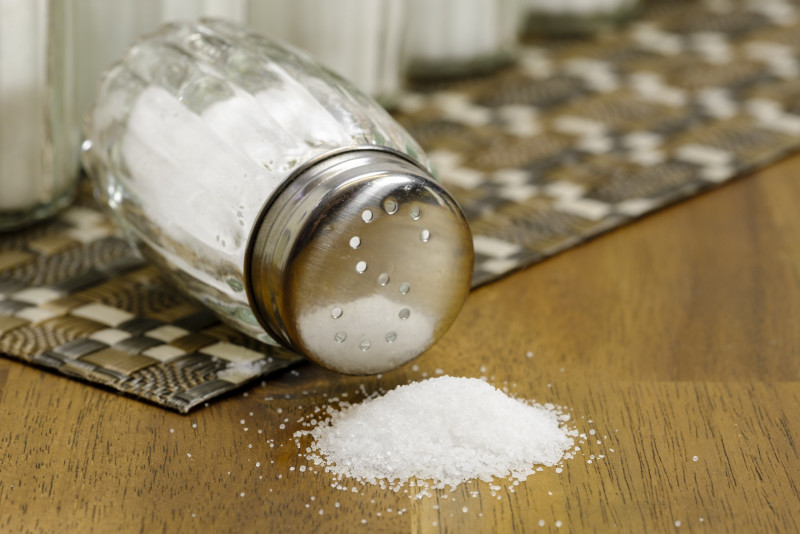
A recent study found that Malaysians consume 8.7g of salt daily, which is 1.7 times higher than the World Health Organisation’s recommendation of 5g of salt a day. One teaspoon, or 5g, of table salt provides 2,000mg of sodium.
Scientists believe that sodium increases blood pressure because it attracts water and causes fluid retention. The additional fluid retained expands the volume of blood in the arteries, putting pressure on the walls of the blood vessels, resulting in elevated blood pressure.
Excessive salt intake can lead to hypertension, which is associated with an increased risk of stroke, kidney failure, premature mortality and disability.
A high salt intake also increases the risk of stomach cancer and renal disease, is associated with urinary stones, and may aggravate asthma and osteoporosis.
The Guardian recently reported on a study by Action on Salt, an organisation based in the United Kingdom, which found that more than half of the seemingly healthy snacks analysed by experts are, in fact, high in fat, salt and/or sugar.
They tested 119 snacks, including dried/roasted pulses and processed pulse snacks like lentil curls, and chickpea chips and puffs. They found some samples to be saltier than seawater.
In Malaysia, popular snacks, such as papadum (vegetarian crackers) and keropok (fish crackers), have also been found to contain high levels of sodium.
In a test conducted by CAP on 11 samples of papadum, we found the sodium level to be more than 1,000mg per 100g in all samples. Four samples had more than 2,000mg of sodium per 100g.
In a study conducted on 17 samples of keropok, it was found that the sodium levels ranged from 1,183mg to 1,887mg per 100g. The addition of salt and monosodium glutamate (MSG) during the manufacturing process contributes to the high sodium content.
Besides consuming papadum and keropok, there are various other reasons why Malaysians are taking too much sodium:
– Consumption of “convenience” foods (canned foods, potato chips, instant foods, fast food and hawker food) and processed foods (commercial bread), which have a high sodium content. For example, a single packet of instant noodles contains 2,000mg of sodium, which is the maximum allowable daily intake;
– There are a lot of sodium additives in processed foods. Some examples are MSG (a flavour enhancer), sodium saccharin (a sweetener), sodium phosphates (emulsifier stabilisers and buffers) sodium caseinate (a thickener and binder) and sodium nitrite (a preservative). There are over 40 types of sodium-based additives allowed in processed foods;
– Salty or “hidden” high-salt seasoning, like sauces and seasoning cubes, is added to food cooked both at home and in restaurants;
– Habitual and excessive intake of local high-salt foods, like salted fish, salted eggs and salted vegetables;
– Modern food-processing methods use a lot of salt. It is sometimes added to canned and frozen fruits to prevent darkening, and to serve as a flavouring agent. For example, canned and bottled citrus drinks are sometimes buffered with sodium citrate; and,
– Eating restaurant and stall foods, which are often salty. They cater to the taste buds of the majority of Malaysians, who have a high threshold for salt intake.
To control hypertension and reduce premature deaths among Malaysians, CAP calls on consumers to:
– Avoid consuming processed foods;
– Use less salt and seasoning when cooking at home, and instead, use various herbs and natural condiments to add flavour;
– Choose food items with less salt and sauce when dining out or ordering takeaways; and,
– Read the nutrition information panel to find out the amount of sodium in foodstuff. Some imported items, or those produced for export, have their sodium content listed on the label. – The Vibes, March 14, 2021
Mohideen Abdul Kader is president of the Consumers’ Association of Penang