
WELCOME to the new normal, where some hotels have just four rooms occupied for the night out of hundreds, or a wildlife zoo has fewer than 10 visitors daily, while restaurants have more workers than diners.
It was not supposed to be this way. Just 15 months ago, Malaysia was on the verge of ushering a record number of tourists under the Visit Malaysia Year series, which was often a runaway success for an industry that generated record tourism-related receipts worth RM86.1 billion in 2019.
Two years ago, it was a record year for the country’s tourism sector, in which 26.10 million tourists chose Malaysia as their getaway destination for 2019.
Alas, fast-forward 12 months later, the industry came crashing down to open its doors to just 4.33 million arrivals and only RM12.7 billion spent in the pandemic year of 2020.
Many travel trade members have reinvested and tweaked their products, services, and places of interests to suit the pandemic, hoping to recoup their investments by this year.
But it is clear they are now staring instead at growing deficits and possible closures of their enterprises.
May I remind you that tourism is the third-biggest contributor to the country’s gross domestic product output, after manufacturing and commodities.
But it is now the sector most affected by a virus that prevents crowding, close proximity, and pretty much all forms of interactions due to its rapid infectious nature.
Yes, the government has stepped in to offer subsidies and various incentives to keep the industry afloat, but providing financial aid is never adequate.
What the industry needs is a holistic policy that also addresses the core issues bugging the industry, despite the impressive growth it achieved earlier.
Where do we go from here?
While tourism has grown, it has inherited a rash of issues from overdevelopment, environment degradation, and misplaced priorities to tech disruptions.
When combined, it undermines the previous successes and our ability to stay competitive.
From the explosion of e-commerce, which has put many travel agencies out of business, to social media, which propagates both real and fake news, tourism is indeed riddled with challenges.
Ride-sharing with short-term online shared leasing of accommodation had served notice to the leisure industry on the need to reinvent itself in the face of such challenges.
Frankly, the real threats to the industry are the stakeholders themselves, who must scrap their denial syndrome and accept their shortcomings as they are, instead of choosing to ignore their faults.

The road towards finding solutions starts with recognising that we need to reform and adapt to the new normal, which is not just about the virus, but also the consequences of a combination of factors from climate change to a slowing economy.
It threatens our ecotourism attractions, from beach erosion to river pollution and the rise of jellyfish due to the contamination of our seas, not to mention plastic waste.
Rapid urbanisation also brought along traffic congestion, lack of attention to our heritage buildings, and neglect of history, culture, and the arts.
With such daunting challenges, there is a need for the tourism authorities to take full cognisance of what lies ahead for the industry.
The private sector’s way of doing the same thing the others are doing no longer works.
Gone are the days when if hotels are faring well, another dozen are built, or if bubble tea is trending, then it must be emulated everywhere.
The industry needs innovation and an understanding that the industry can be progressive only if we know what is saleable and meets the high expectations of tourists.
There is a need to advocate conservation in the face of growing pollution, while economists need to get cracking on arresting rising living costs so travel can be cheaper and accessible for all.
We need to stimulate domestic consumption better – perhaps more incentives should be given to encourage spending among domestic tourists.
One way is to ensure that tourism is not just confined to the rich and upper-middle-income groups, but is also open to the lower rungs such as the B40 group so that they can also be enticed to travel, as it is an industry about numbers.
The domestic trade and consumer affairs enforcement division needs to step up to prevent profiteering, while utilities such as water, power, or sewerage should find ways to reduce billing so the benefits can be passed on to consumers.
In turn, the costs of doing business are cheaper.
If we want tourists to come and purchase our products at top tourist value, we need to ensure that it is worthwhile for them, especially now when foreigners will not be visiting anytime soon.

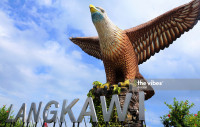
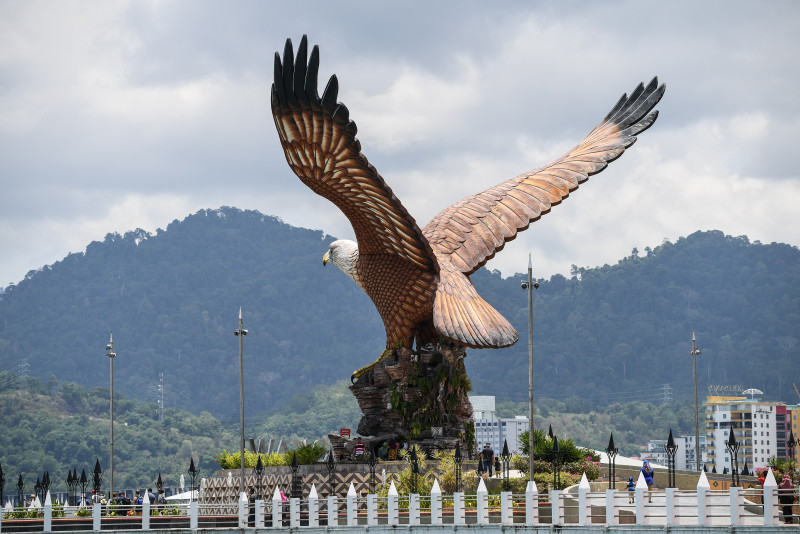
Also, policies such as allowing duty-free exemptions for tobacco in Langkawi should continue, luring more expatriates to invest and holiday as much as possible in their adopted nation.
Langkawi is renowned for being duty-free for mainly three items – cigarettes, chocolates, and liquor – but it was learnt that the Finance Ministry is withdrawing such perks for tobacco as the revenue loss from illicit activities is substantial.
Income losses suffered by the government due to smuggling should not be allowed to affect the average consumer.
The government should address it through stricter enforcement.
Reviving tourism is not just about reopening our borders, it is about making Malaysia attractive again for our own tourists first.
Only when the world contains Covid-19 can we bring back our branding of Malaysia Truly Asia.
It may take months or even years. We should be encouraging domestic tourism by making Malaysia Truly Our Destination.
I dread to think of a day when more people are crowding around an accident site than visiting their favourite destination, simply because tourism has become too costly or polluted. – The Vibes, May 4, 2021
Ian McIntyre heads The Vibes’ Penang bureau