
I DON’T think it’s fair to attribute everything that went wrong in the past 18 months to the coronavirus.
Yes, Covid-19 made our lives miserable, to the extent that white flags are being hoisted, but should the pandemic be totally blamed for the worsening infections?
Should it be blamed for the reeling economy, especially the tourism industry?
Once a source of pride for Malaysia, the mere mention of the word “tourism” these days is enough to silence anyone, especially politicians who prefer not to broach the subject since there’s nothing much that can be done.
Unlike humans, the tourism industry does not have any vaccine to protect it from a slow and painful death.
And to think that just about a year ago, Malaysia’s tourist arrivals and foreign receipts were expected to reach all-time highs due to a strategy put in place a decade ago under the Economic Transformation Programme.
It was to make Malaysia a leading tourist destination, a “Visit Malaysia Year”, that would give the numbers a further lift.
Alas, the Covid-19 pandemic brought the entire tourism industry to a grinding halt as the government, along with its counterparts around the world, took measures to contain the spread by closing borders, causing massive job and revenue losses.
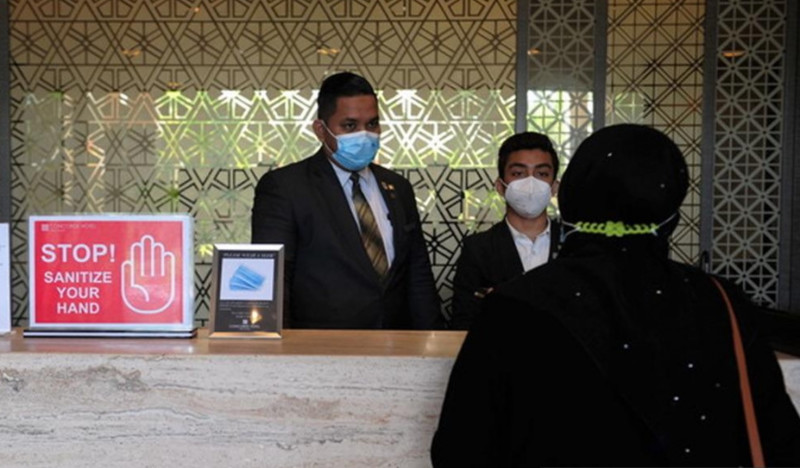
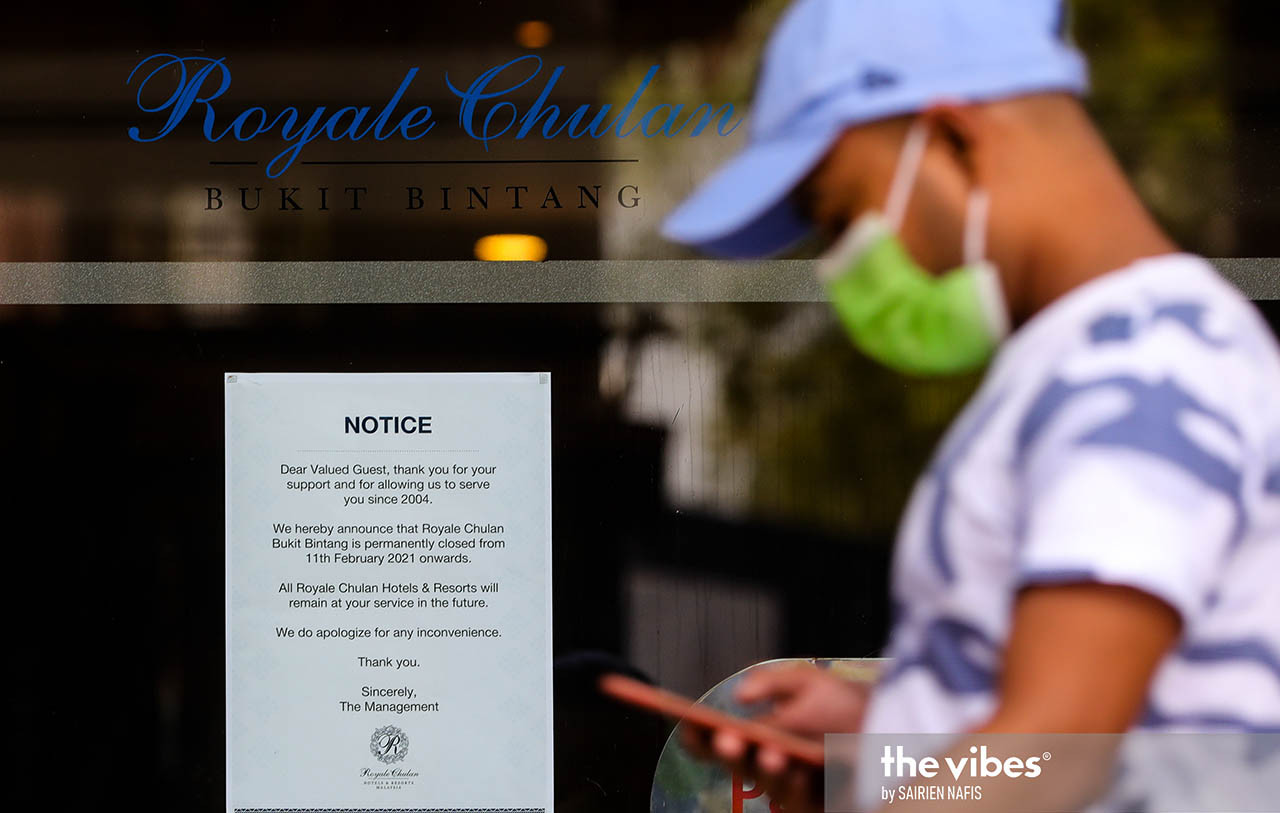
Many hotels shuttered, while some travel agencies and businesses folded as their funds dried up.
But is it all due to Covid-19?
Yes, Covid-19 disrupted tourism, but no, it is not the single reason that has brought the industry to its knees.
In my view, tourism was suffering for at least a decade prior to Covid-19.
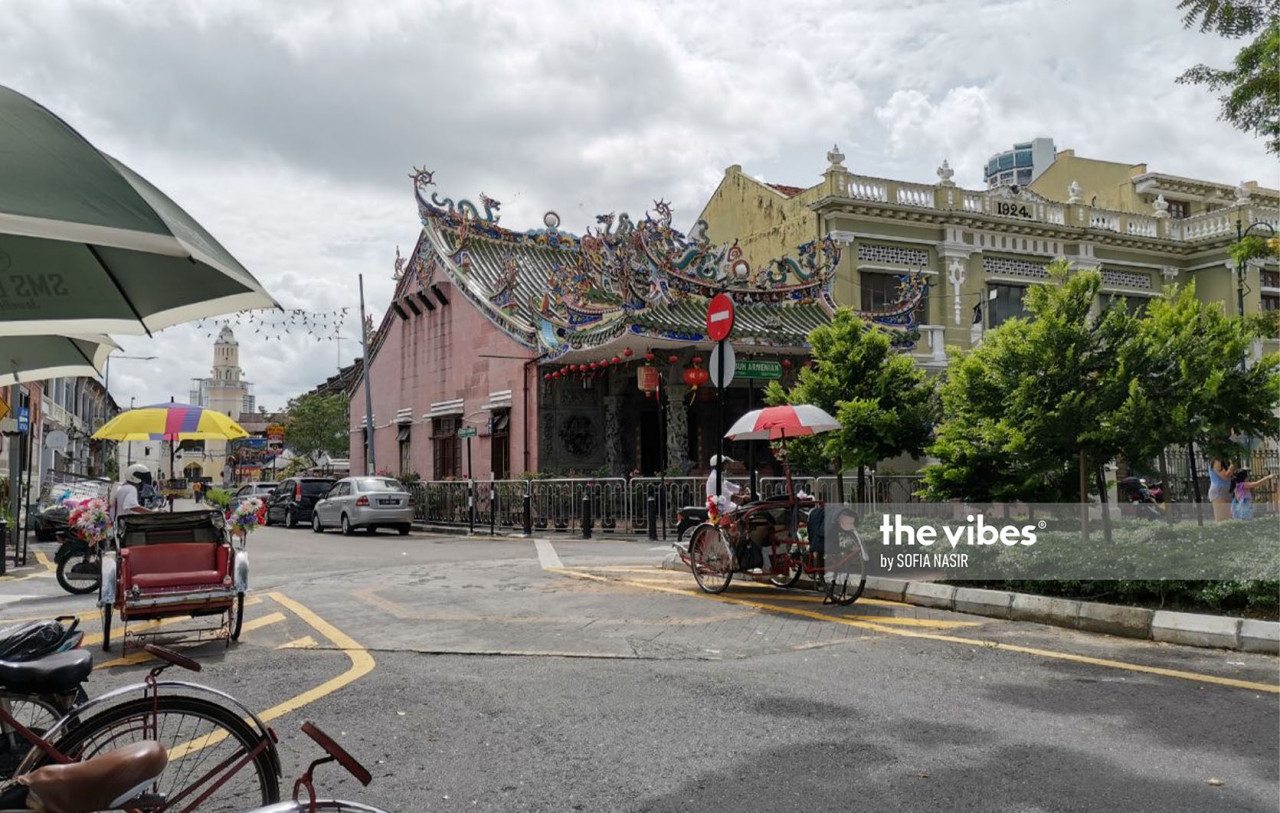
There were already rumblings of discontent, of abuse and malpractices in the industry, and the coronavirus just caused those who were already in trouble to fold quicker than anticipated.
There were also growing complaints from consumers – i.e. tourists – on how they felt duped due to miscommunication arising from the inability of travel workers to converse well with guests.
This was made worse by the ever-evolving world of digitalisation, which took away the personal touch consumers used to enjoy from industry players, including travel agents, airlines and hoteliers.
What was being sold out there was also not as advertised.
Home- and ride-sharing apps undermined the industry, and yet, the authorities were slow to regulate them, while asking those who were affected to embrace the services instead.
These are not the only perks taken away by digitalisation. It also took away jobs, replacing humans with apps, websites and an answering machine.
Such factors contributed to Malaysia’s descent from the summit of tourism excellence to an industry thirsting for a resolution.
Other factors roasting the industry are spiralling wages that outstrip productivity, and industry players taking shortcuts by bringing in all kinds of tourists and overlooking visitors who are lavish spenders.
There are also those out to make a quick buck without realising that the returns from tourism take time.
So, where do we go from here?
Let’s start by setting the record straight as far as the number of tourist arrivals is concerned.
We will not obtain accurate figures if we take into account all inbound and outbound tourists at the ferry terminals in Langkawi, as some may just be workers or relatives of people employed in the tourism sector on the island.
The same goes for business travellers who have been defined as tourists through the category of meetings, incentives, conventions and exhibitions.
For travel agent Eric R. Sinnaya, a tourist is best defined as someone who stays overnight, while day trippers are best seen as visitors.
“The trick is to bring in enough high-spending tourists to ensure that they can fulfil the expectations of each investor in tourism.
“But would those high-end tourists want to come here if our services are eroding, and if our attractions or services are second rate?
“Would they want to come, say, by next year, going by how the country seems to be caught up in a circus in its handling of Covid-19?”
Can Malaysians afford a vacation when they have more debt obligations, with accrued interest from loan moratoriums staring at them?
The stark reality is different on the streets compared with on paper.
It is time for the authorities and the industry to come to terms with the fact that our tourism sector needs its own “vaccine” that can bring about “herd immunity” against poor planning.
And the “vaccine” to address the shortcomings in tourism needs to be hastened, just like the immunisation drive against Covid-19.
Sinnaya said the authorities must first admit that they underestimated Covid-19 because they thought it was just a temporary distraction, and that by staying home, the virus would dissipate.
Instead, it has mutated to become stronger, killing more and causing more lockdowns.
It has worsened what was already a bad situation for tourism.
Sinnaya expects more retrenchments and closures in the months ahead despite the various subsidy packages introduced by the government, which are inadequate.
In what the United Nations has described as “the worst year in the history of tourism”, Malaysia has not been spared, suffering a loss of up to RM25 billion in revenue last year, while the global tourism sector lost US$1.3 trillion (RM5.45 trillion).
Preferring to be part of a solution, Sinnaya suggested bringing back veterans who have the networks to reach out to tourists and entice them to return, especially those who have the money to spend.
However, given the pandemic, the high-flyers will return only when the global economy recovers.
For now, Malaysians should be incentivised to travel once herd immunity is achieved.
Tourism Malaysia needs to be refitted with technocrats, and revive the tagline and battle cry of “Malaysia Truly Asia”.
It means we must showcase the culture, arts and food of our diverse backgrounds, which are our unique selling point.
Stop preaching; act on things far more important now. Politicians should stop glorifying race and religion as Malaysia was founded on the basis of diversity.
It may take years before a full-throttle tourism industry emerges, and so, in the meantime, reach out to regional neighbours as we are home to many Asians.
Allow migrant workers to be reunited with their families in Malaysia.
Let us learn from those who made it happen in the past.
One such person that the industry could have learnt a thing or two from was Kelantan-born Somboon Cheanswaths, a former veteran media practitioner who was also a senior officer with the Tourism Authority of Thailand.
Somboon unfortunately succumbed to Covid-19.
He was a gem of a travel-trade person who understood what drove the industry, and how outbound and inbound tourism worked in Malaysia and Thailand.
So, in paying tribute to Somboon, who often went out of his way to make both Thais and Malaysians smile in whatever destination they may be, let’s emulate his take that tourism is essentially about making visitors happy.
When they smile, we will naturally smile, said a man who often wore one.
The industry needs to rebound as the tourist in all of us needs to be happy after grieving for close to 18 months, but before that joy is attained, much sacrifice is needed.
Owners and workers in the industry must cast aside their egos and come together to ensure that Malaysia is, indeed, truly Asia. – The Vibes, July 21, 2021
Ian McIntyre heads The Vibes’ Penang bureau