.jpg)
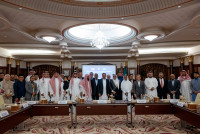
TRANSPARENCY International Malaysia (TI-M) welcomes and lauds the mature cooperation between the ruling and opposition blocs in Parliament through the signing of their memorandum of understanding on September 13 to aid in the recovery of the economy and parliamentary reforms in Malaysia.
This strategic cooperation is the first of its kind in Malaysian history and is a move in the right direction, after months of emergency, protests, and suspended democracy. We hope that the intentions and good faith of lawmakers from across the divide will be proven in the coming months through both clearly defined legislation and the political will to follow through.
“We are also concerned and disappointed that three key areas of reform, some of which have been highlighted in the National Anti-Corruption Plan and multiple statements from various MPs and civil society in the past months, are not in the MoU,” said Muhammad Mohan, president of TI-M.
These three key areas are the following:
1. Political Financing Bill. The said bill has been prepared, but why does there appear to be a lack of initiative and political will from both sides to table it?
2. Separation of powers between the attorney-general and public prosecutor. This is to decentralise the powers and reduce conflict of interest.
3. Establishment of the Malaysian Anti-Corruption Commission as a commission by constitution. The constitutional MACC will report transparently to Parliament and the chief commissioner will be appointed by Parliament. MACC is currently governed by a parliamentary act, and the chief commissioner is selected and recommended by the prime minister and appointed by the king. There exists a risk of executive interference by political parties. This is also not in the MoU as a reform initiative.
TI-Malaysia is cautious about promises of reform that do not have clear intended outcomes and lack key important reforms that have been delayed multiple times by both governments and several prime ministers since the last election. The rakyat deserve an independent and efficient MACC and public prosecutor to prevent corruption, and a professional Parliament with integrity. – The Vibes, September 15, 2021