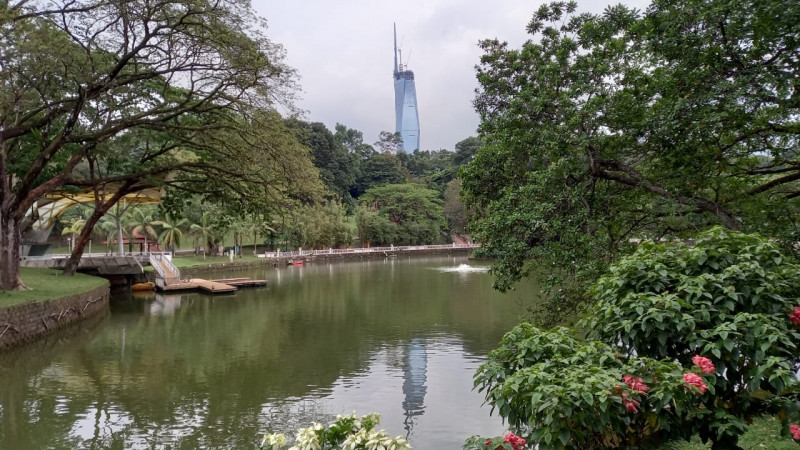
CHILDREN who grow up surrounded by trees, grass and green space have a lower risk of developing a mental illness later in life, according to Danish researchers.
Their findings, involving almost one million Danes, were more than an interesting correlation: the risk of mental health problems varied directly with the amount of green space available to the child. As more people move into cities and mental health diagnoses appear to be rising, the findings could have relevance for urban planning.
More than 450 million people suffer from a mental disorder, according to the World Health Organisation. And this number is expected to increase. In some places, urban residents have almost a 50% higher risk of developing anxiety and mood disorders compared with their rural counterparts, and the risk of schizophrenia is 200% higher for children who grow up in the most urbanised environments.
Contact with nature has long been linked to better mental health – it’s why sanatoriums and hospitals are often found in green surroundings. Living in greener surroundings is thought to improve physical and mental health by promoting physical activity, increasing psychological restoration and stress recovery, and strengthening social bonds in neighbourhoods.
Researchers from Aarhus University used satellite data from 1985 to 2015 to map the amount of green space around Danish childhood homes. Because Denmark collects detailed health data about its citizens, the researchers could compare this data with whether the children went on to develop one of 16 mental disorders later in life.
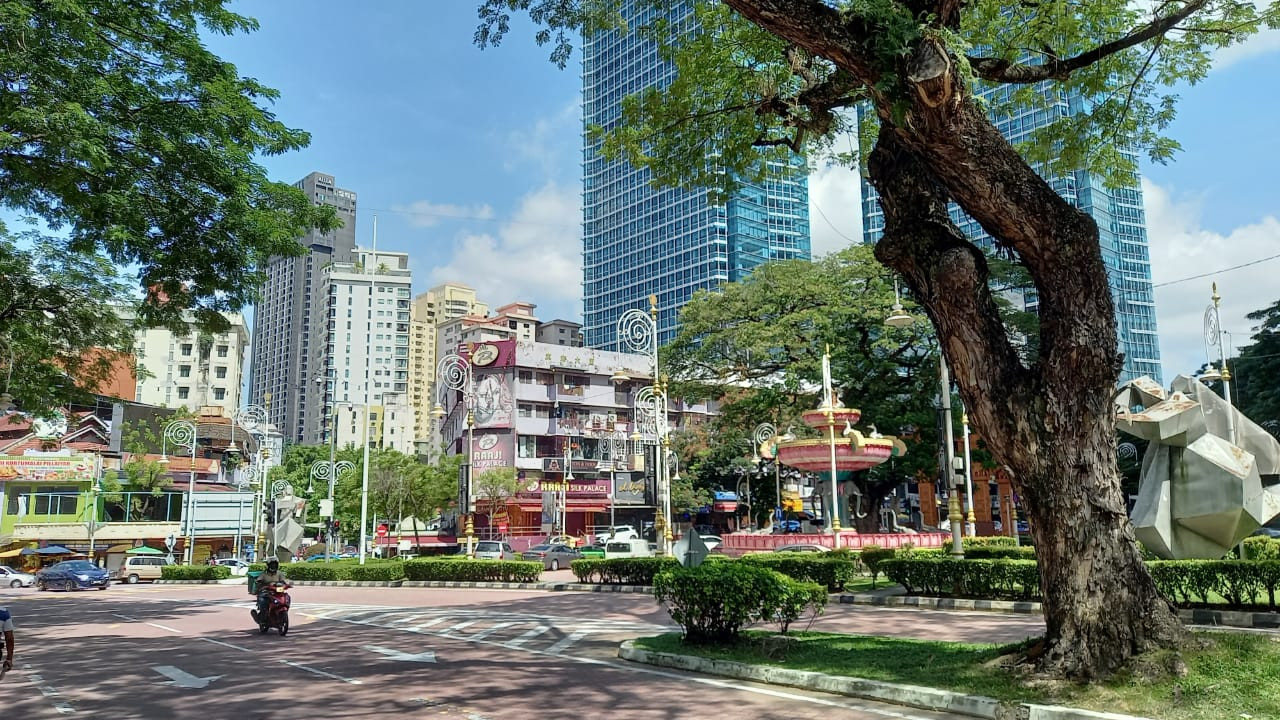
Children surrounded by the highest amounts of green space had up to a 55% lower relative risk of developing a mental disorder – even after researchers adjusted for other known risk factors such as socioeconomic status, urbanisation and family history of mental disorders.
The more green space a child had, the lower the risk of poor mental health. This “dose-dependent” relationship was present across the country and the Danish population, indicating that the association is more than a simple correlation.
Accounting for people moving to and from more urbanised areas, the research also showed the risk of developing a mental disorder decreased with the length of time a child was surrounded by green space from birth up to the age of 10.
Effects of ‘green space’ and ‘blue space’ on mental states
The same researchers explored the concept further in a survey of Danish blood donors. Around 66 000 people answered questions about their access to green space and ‘blue space’ – water bodies. Current mental well-being was associated with more green space around people’s homes.
Calm was particularly associated with ‘blue space’. The researchers also found that more physically active people had even stronger positive associations with green space.
Green space in childhood is therefore extremely important, and it follows that urban planning for access to natural environments for all ages is likely to have benefits.
The very large datasets for both studies strengthen the findings. Across time, geography, “dose” level and huge numbers of people, the patterns were the same. The results are part of a larger movement of scientific studies that have found a wide range of physical and mental health benefits of green spaces.
These studies are supported by many experimental studies where scientists manipulated environments that showed green space is linked with stronger cognitive development of children, reduced activity in the areas of the brain linked to depression, and enhanced stress recovery. Even virtual-reality nature exposure has an effect.
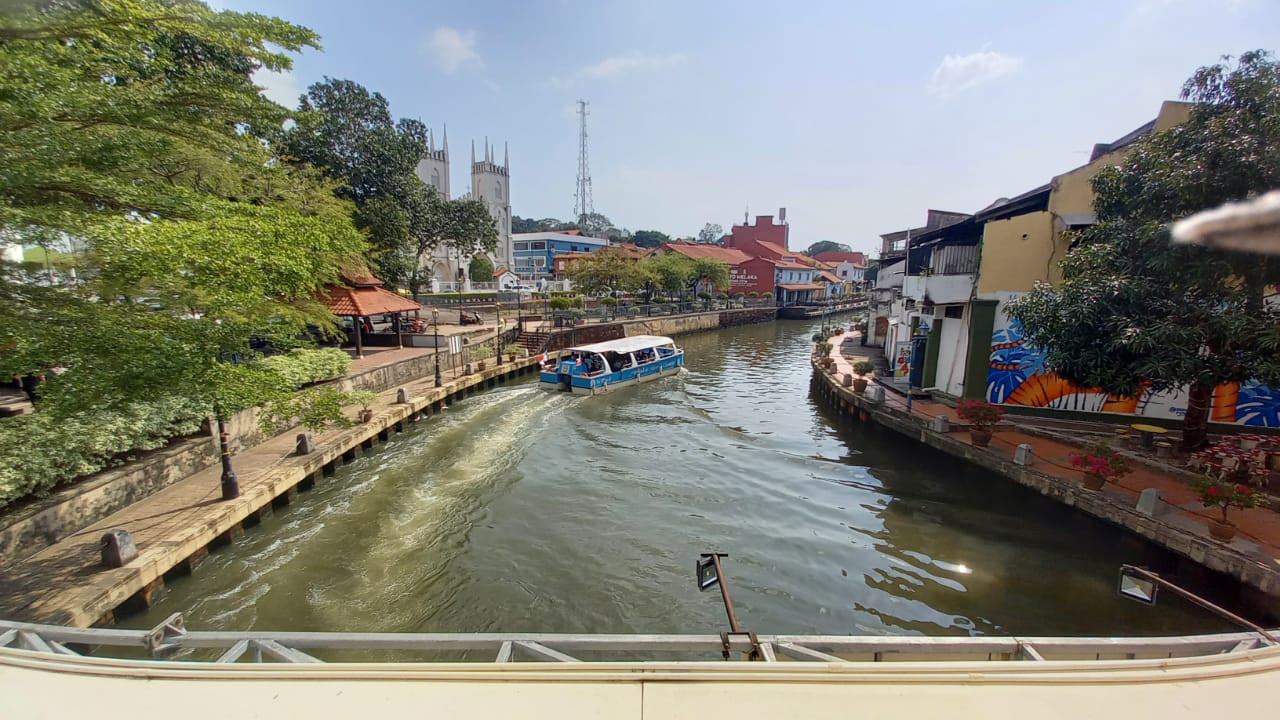
This knowledge can guide future urban planning – important because by 2050 more than two-thirds of the world’s population is expected to live in a city. Integrating more natural environments into urban areas may improve the mental health of city residents.
A greener approach to urban planning has the associated benefits of mitigating climate change, reducing the urban heat island effect, managing flood risk and conserving biodiversity. Working within and across research disciplines will ensure the multifunctional potential of urban green spaces is fulfilled.
Initiatives by local governments and organisations
Local governments around the world are already starting to make cities greener. Denmark’s capital, Copenhagen, recently decided to transform one of its major roads into a park to improve green-space access, and Barcelona in Spain has launched an ambitious urban greening plan for the whole city to promote the health of its citizens and support biodiversity.
In a project in South Africa, Danish researchers are working with local collaborators to reimagine the city of Tshwane, Pretoria. The plan is to move towards a more liveable, healthy, equitable, biodiverse and climate-change-resilient city.
Large international organisations such as the World Bank and the European Union (EU) have also seen the potential of green urban planning, including nature-based solutions – projects that tackle development problems while keeping the natural environment to the fore.
Since 2012, the World Bank has supported nature-based solutions in around 100 projects in 60 countries, allocating US$1.18 billion (RM5.2 billion) in 2019–20; and the EU is providing funding for such projects through its Horizons 2020 programme.
Competition for space is intense in the world’s densely populated cities, meaning innovative approaches to green space design will be needed – for example, green walls and roofs. Local perspectives and context are also important.
Current studies on green space and mental health are mainly from developed economies, so they may not apply in developing economies. Involving local communities in planning decisions will help. – The Vibes, June 4, 2022
Kristine Engemann is an assistant professor in the Department of Bioscience, Aarhus University in Denmark, working on natural environments and health, climate and biodiversity using big data and GIS. This study was supported by the Lundbeck Foundation Denmark, the Stanley Medical Research Institute, and Bertha – the Danish Big Data Center for Environment and Health, funded by the Novo Nordisk Foundation Challenge Programme
Published under Creative Commons and in partnership with 360info.org
Assistant Professor Kristine Engemann from 360info on Vimeo.