
TO outsiders, the Kuala Langat North Forest Reserve (KLNFR) controversy may look like your typical run-of-the-mill environmental crusade, but is it? No, it is not. The issue is, in fact, anything but straightforward. It is – to sum it mildly – a cruel and convoluted mess.
Cruel in the sense that it has torn nearby Orang Asli communities into two factions: those in favour and those against the proposed degazettement of KLNFR, which is intended to make way for a mixed-development project. Treacherous as it may seem, the action of seven out of eight Orang Asli villages supporting the state government’s bid to develop the entire 931ha of KLNFR have valid reasons for doing so.
Five out of the seven villages supporting the degazettement plan lie on land that has not yet been gazetted, meaning the future of its occupants is still shrouded in uncertainty.
It is worth noting, however, that the sole opposition to the KLNFR degazettement plan comes from Kg Busut Baru, a village that has already been gazetted.
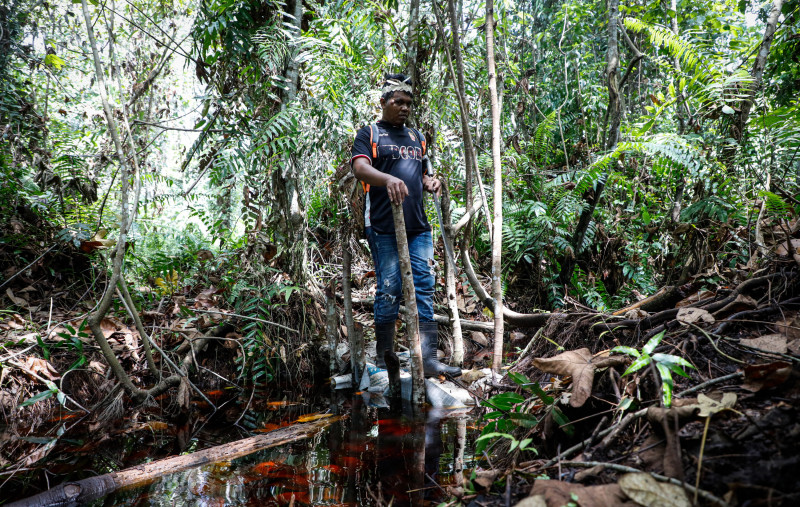
“It is harsh, but this is the reality. We had to make a choice. The forest or our villages. We chose the latter… but I am saddened that it has come to this,” lamented Raman Pahat, the Orang Asli chief of Kg Pulau Kempas.
Was there actually a need for Raman and the other six Orang Asli village chiefs to make such a tough choice? Some believe that it was totally unnecessary.
“The state government had agreed, several years ago, to gazette all Orang Asli villages in Selangor,” according to a November 17 statement from the Coalition to Protect KLNFR.
“Therefore, there should be no connection between the proposed degazettement of KLNFR and gazettement of the Orang Asli villages.”
However, it is also a no-brainer why the seven chiefs believe that their collective green light will somehow be reciprocated with favourable verdicts vis-à-vis the gazettement of their villages.
“Many have grown weary of going back and forth to the Land Office to get our villages gazetted. It is always one excuse after another. Too costly. Too time consuming. So much red tape,” said Samsul Senin of Kg Busut Baru.
Presently, it is clear that the seven chiefs’ decision was one, which they were not likely to have made if the circumstances were different; if the gazettement of their villages was never an issue. But, as to why their plight, which is entwined with the fate of KLNFR, has not garnered prominence equal to that of the latter’s is anybody’s guess.
In Malaysia, matters concerning Orang Asli fall under the jurisdiction of the Sultans with help from the federal government’s Orang Asli Development Department.
That being said, the state government is also empowered by the Aboriginal Peoples Act 1954 to handle Orang Asli issues, including concerning aboriginal areas.
For example, Section 6 (1) of the Act states: “The State Authority may, by notification in the Gazette, declare any area predominantly or exclusively inhabited by aborigines, which has not been declared an aboriginal reserve under Section 7, to be an aboriginal area and may declare the area to be divided into one or more aboriginal cantons.”
Unfortunately, this is not the case of KLNFR as matters seem to have progressed rather oddly. The sole entity reportedly vying for a development’s tender, the Menteri Besar Selangor Incorporated, is also linked to those weighing the forest’s proposed degazettement – the Selangor government.
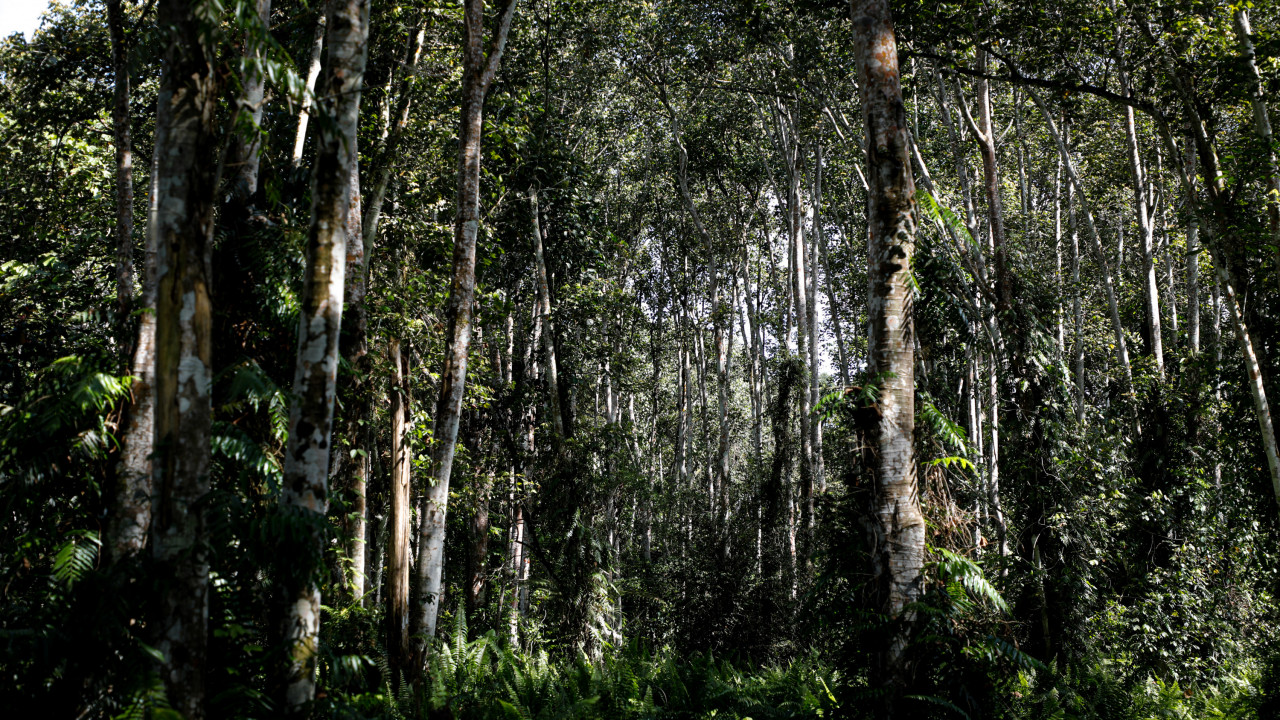
In the Aboriginal Peoples Act, an Orang Asli is defined as those who speak the aboriginal language and habitually follow an aboriginal way of life, customs and beliefs. And, to the eight Orang Asli settlements in Kuala Langat, to "rayau" (roam and wander) into KLNFR is their way of life, which was even acknowledged in Selangor’s Forest Enactment 1918.
Razing down KLNFR will ultimately put an end to their way of life and, if that happens, will the Orang Asli communities there continue to be legally defined as Orang Asli? – The Vibes, November 27, 2020