
IN the aftermath of the state elections that set political circles abuzz with various narratives, one of the most popular is the call for the resignation of Umno president Datuk Seri Ahmad Zahid Hamidi.
While the outcome of polls not only reshaped the political landscape, it has also brought to the fore internal dynamics within Umno, traditionally seen as a cornerstone of Malaysian politics.
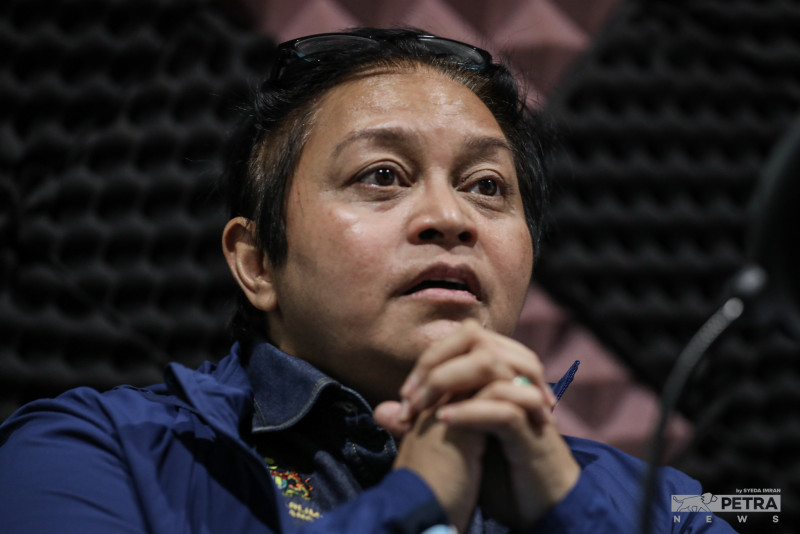
Thrust into the spotlight now is Umno’s information chief Datuk Seri Azalina Othman Said, who has come out in defence of Zahid.
In the midst of calls for his resignation following Barisan Nasional (BN) or rather Umno’s dismal performance, Azalina’s unwavering support offers a unique perspective on the party’s resilience and the nature of political engagement in Malaysia.
Her vocal and public endorsement of Zahid transcends the realm of mere loyalty as some see it as the hallmark of Umno’s way of handling internal dissent.
By acknowledging and responding to the call for leadership change, it seems that Azalina’s stance may be in contrast with some grassroot opinions. However, this shows that Umno is now facing diverse opinions and an openness to challenges.
The results of the state elections have also catalysed a period of introspection for many in the party. Malay voters’ apparent shift in allegiance towards Perikatan Nasional and the internal disagreements within the BN leadership have left the party at a crossroads.
Azalina’s steadfast support for Zahid can be interpreted as going beyond personal conviction. It can be seen as a strategic move aimed at not only addressing these challenges, but also showcasing a united and resolute front to the electorate and critics alike.
What is particularly striking about Azalina’s defence is her refusal to fall into the trap of simplistic blame allocation – a phenomenon all too common in the aftermath of electoral setbacks.
Drawing attention to the fact that Zahid did not contest in the state elections, she dismantled the notion of a single individual shouldering the entirety of the blame. Instead, she calls for a more balanced evaluation of the party’s strategies and campaign methods, highlighting a more mature approach to political analysis.
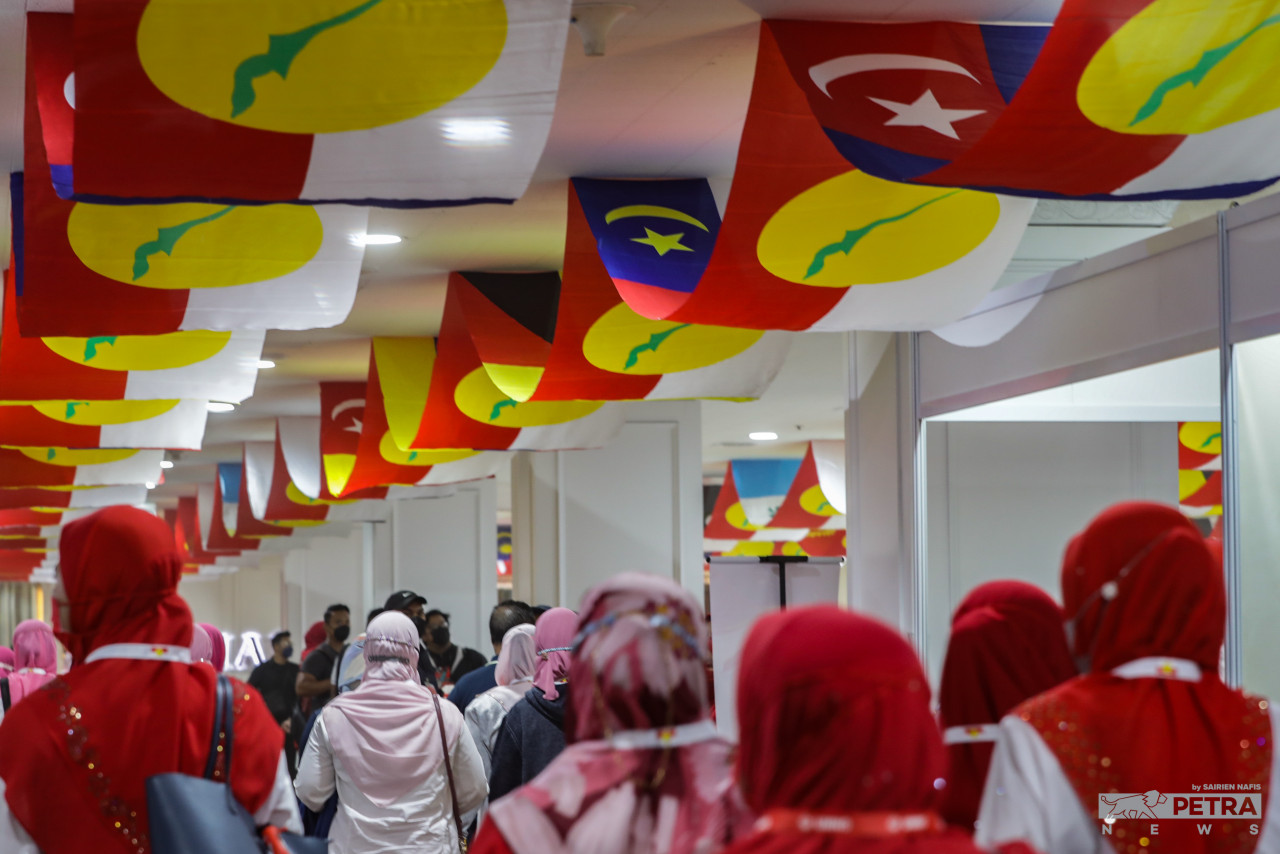
She even went further with a thought-provoking question on whether it was time for Umno to contest on its own ticket or should it still be under the BN flag, or under BN with a new coalition.
This indicates a profound introspection is underway within Umno about its identity, affiliation, and the strategies it should employ moving forward to regain its trust among the populace.
A senior party leader said the shifting loyalties of Malay voters and simmering internal tensions within Umno and the BN leadership reflect the gravity of the challenges at hand.
In this context, he said Azalina’s unwavering support for Zahid serves as both a defence against external criticism and a call for internal cohesion and unity.
Digital sphere crucial in modern politics
Equally noteworthy is Azalina’s incursion into the digital sphere – a domain that has emerged as a crucial battleground in modern politics. She candidly acknowledges Umno’s shortcomings in effectively leveraging digital resources to shape voter sentiment.
This acknowledgment serves as a dual-purpose revelation. It underscores the significance of digital platforms in shaping public opinion, reinforcing the need for political parties to adapt to this evolving paradigm.
Simultaneously, it conveys a commitment to embracing modernisation within the party.
Amid the push for change and recalibration, Azalina’s assertion that BN must become “more adept and knowledgeable in mastering digital technology” carries a resonance that extends beyond mere technology.
It is a call for a comprehensive transformation of the party’s communication strategies and engagement mechanisms, underlining the urgency of connecting with a digitally driven electorate.
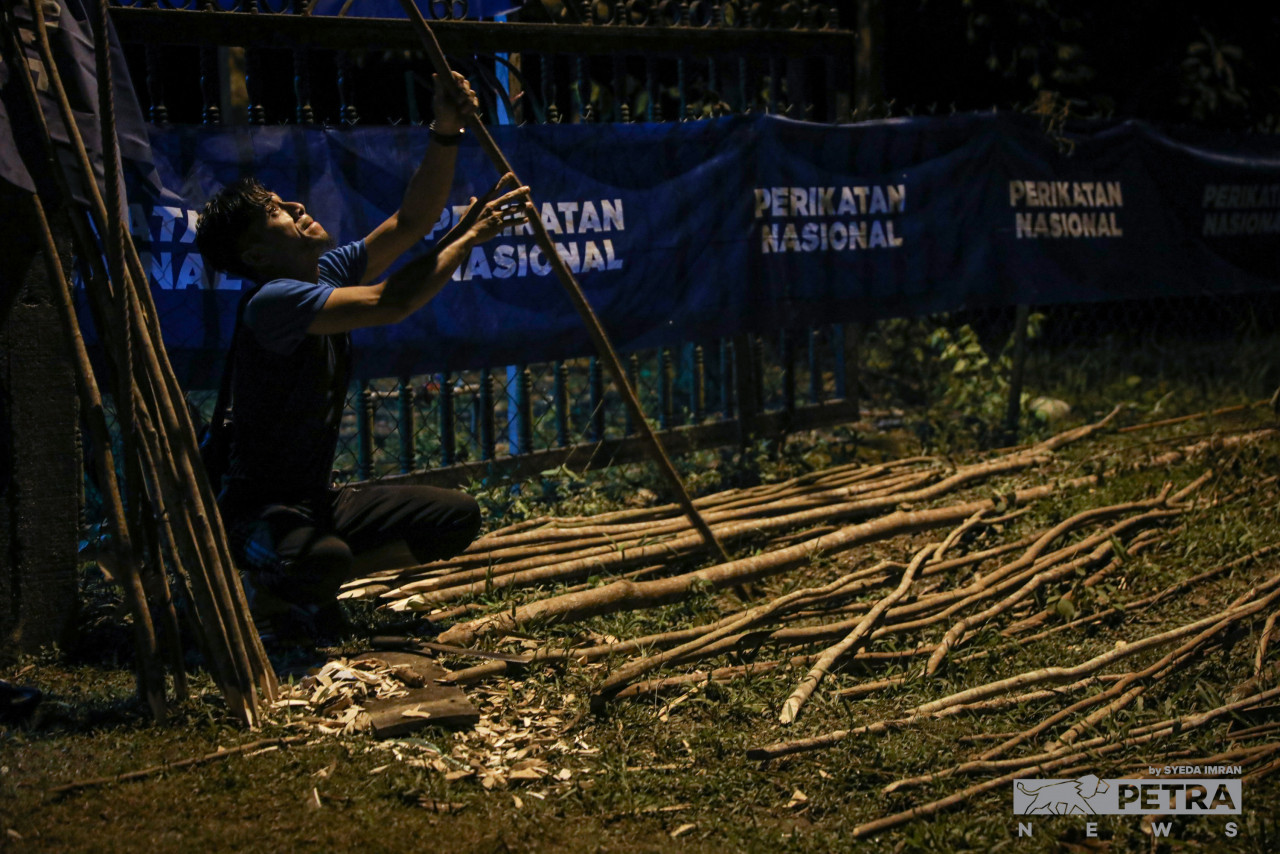
This comes after it became apparent that the PH-BN unity government clearly lagged behind PN in the social media battle. PN has apparently reached out to the Undi18 first-time voters mainly through unbranded content. It is somewhat similar to the 2018 election.
At that time, BN and PAS lost the digital sphere to PH, which included Bersatu then. This led to the historic dethronement of BN from Putrajaya for the first time.
PAS has since seemed to have learned the lesson well, and the party is now securely entrenched in social media, specifically the popular TikTok.
Azalina’s call for Umno to skilfully master digital technology provides a roadmap for the party’s future direction, emphasising adaptability and innovation as cornerstones of its resurgence strategy.
Beyond the confines of Umno, Azalina’s stance also holds profound implications for the larger Malaysian political fabric. Her support for Zahid sets the tone for Umno’s strategy moving forward, highlighting its resolve to recalibrate and present a united front amidst evolving challenges.
With stakes higher than ever, the days ahead will determine how effectively Umno can translate its strategies into actionable policies, steering its course with renewed determination and resilience. – The Vibes, August 24, 2023