
KUALA LUMPUR – Is Malaysia a sporting nation?
For a country to be known as one, it would take more than winning medals in major tournaments or erecting top-notch facilities across the country.
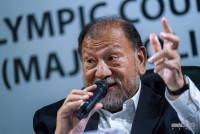
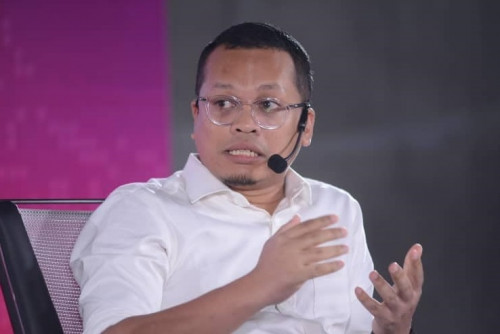
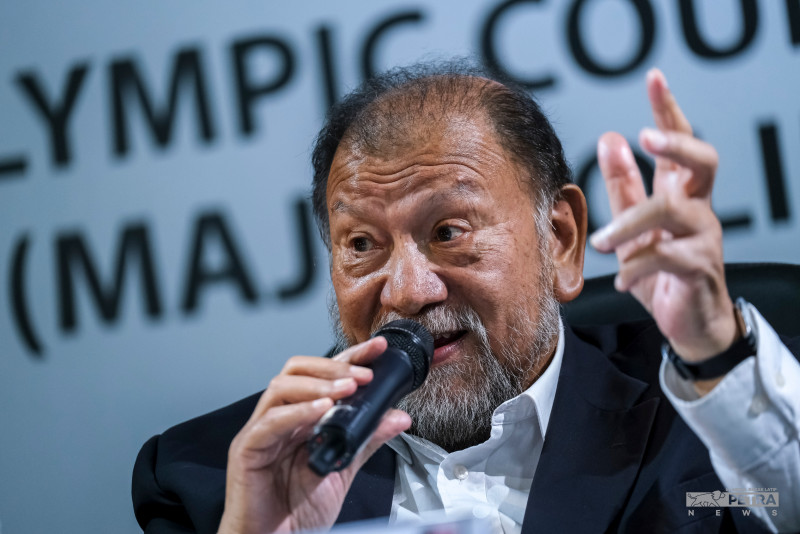
Tan Sri Tunku Imran Tuanku Ja’afar, who has been a sports connoisseur since the 80s, said that sports should be inherent in Malaysians’ daily lives.
Sports should be a natural part of life, not just something we do as an extracurricular,” Tunku Imran told The Vibes.
He opined that it would require a conscious effort from all parties – government and the public alike – to make sports a part of the nation’s culture, instead of a mere afterthought or exclusively for winning tournaments.
Tunku Imran, who was the Olympic Council of Malaysia (OCM) president from 1998 to 2018, also noted some sports facilities, including public recreation parks, seemed to be inadequately utilised.
“The best facilities are owned by schools, educational institutions, and local governments.
“I think they are not promoting or utilising (the facilities) to the fullest.
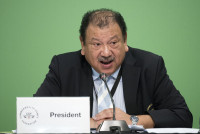
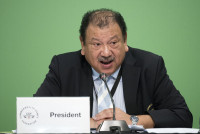
“So, I do not think we could call ourselves a sporting nation yet because I do not think sports is a way of life among Malaysians,” he said when met at a panel discussion recently entitled “An Ecosystem of Sports: Organising an International Sporting Event.”
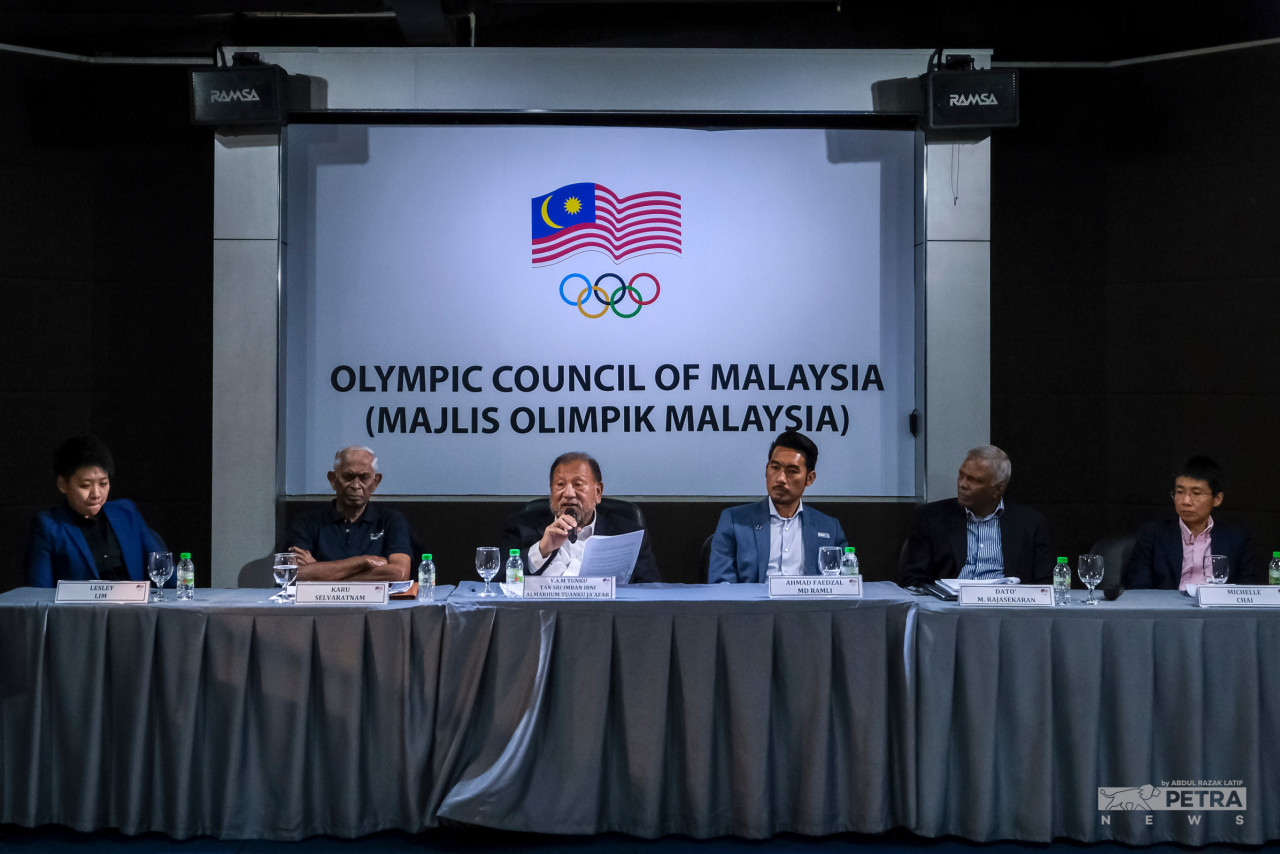
The panel discussion was organised by the Asian International Arbitration Centre (AIAC) as part of AIAC September Sports Week 2022 to increase public awareness on sporting disputes and promote the development of sports law.
Other than Tunku Imran, other panellists included OCM chief operating officer Michelle Chai, former Malaysian Olympians’ Association president Karu Selvaratnam, and National Sports Institute chief executive officer Ahmad Faedzal Md Ramli.
The Negri Sembilan prince went on to explain that for Malaysia to become a sporting nation, it would come down to a matter of will and mindset, not money.
Besides the Youth and Sports Ministry, he said other parties such as local governments, state sports’ associations, and societies should also show interest in the industry.
Likewise, the Education Ministry ought to encourage schools to offer their facilities for local community use and organise more little leagues to bolster the spirit of sportsmanship, he added.
Tunku Imran, who was also the Commonwealth Games Federation president from 2011 to 2015, also acknowledged that Malaysia had gained a reputation as a good host for international sporting events.
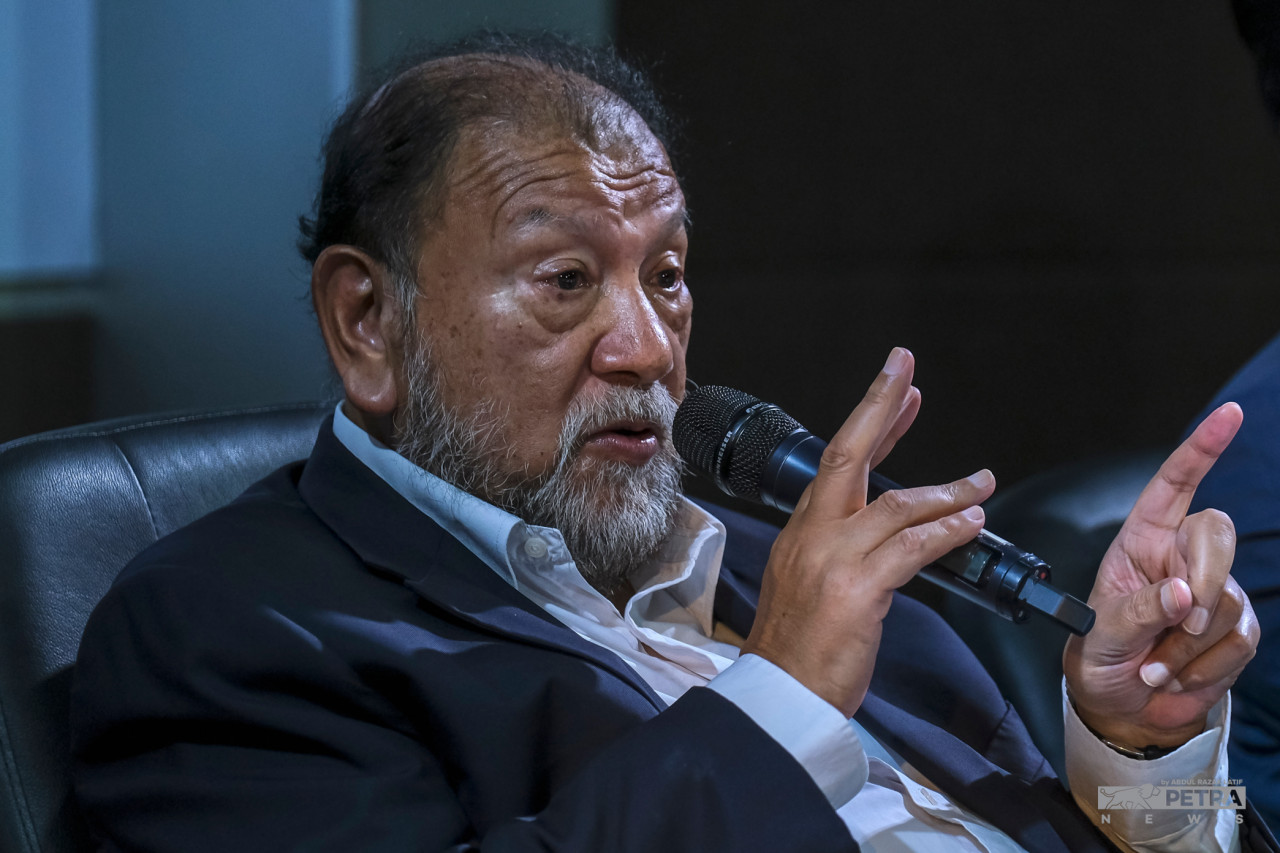
“I think Malaysia’s hosting of events has been quite exemplary in the sense that people look up to us whenever we have accomplished something.
“We have always shown people how things are done.”
Indeed, the country has evolved from organising national, regional, and eventually to international sporting events – namely the 1998 Commonwealth Games and 2017 SEA Games.
As such, he hoped that the country could progress towards hosting bigger international events such as the Asian Games.
However, Tunku Imran was concerned that it is unlikely that the Olympic Games would be hosted by Malaysia due to the country’s outwardly hostile position towards Israel.
We can forget about hosting the Olympics as long as the issues with Israel never get sorted out.
“Whatever the government has decided as their policy, politics should not interfere with sports, and vice versa,” he added.
Last year, Malaysia was axed from playing host to squash’s Men’s World Team Championships after players from Israel were barred from entering the country due to the lack of diplomatic relations between both countries. – The Vibes, September 14, 2022