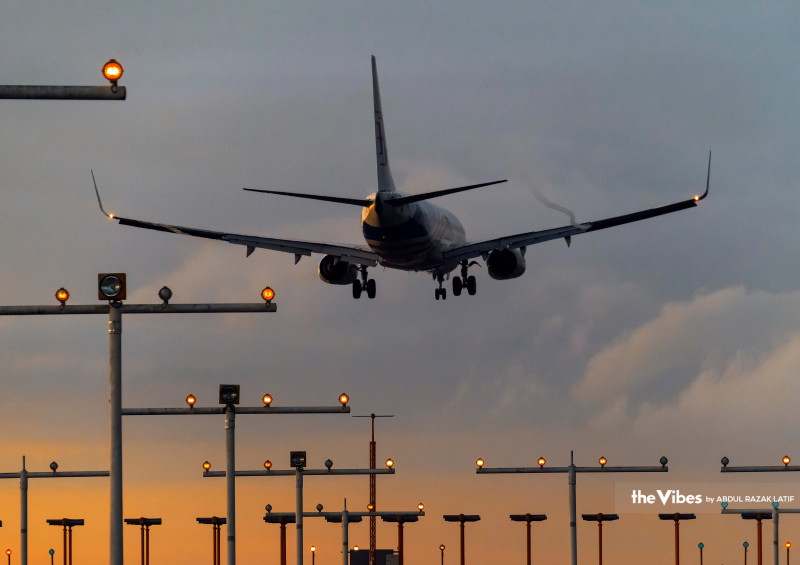
INDIGO, India’s dominant airline, has entered the most challenging period in its 20-year history, triggering widespread disruption across the country’s aviation network.
Reuter cited today that last week, the airline cancelled at least 2,000 flights due to a shortage of pilots, leaving tens of thousands of passengers stranded and highlighting vulnerabilities in a market heavily reliant on just two carriers.
The cancellations were linked to IndiGo’s failure to adequately plan for new regulations limiting pilots’ working hours, which caused chaos for holidaymakers, business travellers, and wedding parties alike.
Social media was flooded with images of luggage stacked in terminals, marking a historic disruption for the nation’s aviation sector.
IndiGo holds a 65% domestic market share, while its rival, Air India, commands around 27%, including the low-cost Air India Express.
Analysts describe the combined dominance of the two carriers as a duopoly-like situation, creating systemic risks should either airline experience operational or financial strain.
“IndiGo’s size has grown to the point where operational setbacks pose systemic risk,” said Harsh Vardhan, chairman of Starair Consulting. “If IndiGo or Air India get into trouble, there will be mayhem in Indian aviation … the government needs to reduce jet fuel taxes and encourage more competition.”
IndiGo, founded in 2006 by Indian businessmen Rakesh Gangwal and Rahul Bhatia, became the poster child of India’s aviation boom, promising low fares and punctuality.
Its fleet now exceeds 400 aircraft, primarily Airbus A320s, serving close to 380,000 passengers daily through more than 2,000 flights. Under CEO Pieter Elbers, formerly of KLM Royal Dutch Airlines, IndiGo has enjoyed strong growth, generating $9 billion in revenue and $807 million in profits in the last fiscal year.
However, the crisis has severely damaged the airline’s reputation for punctuality, once a cornerstone of its brand. In July, IndiGo maintained an average on-time performance of 91.4% at six major airports; by last Friday, that figure had plummeted to just 3.7%. Customer refunds had already reached $68 million as of Sunday, a figure set to rise further.
The government intervened swiftly, temporarily relaxing rules on pilot fatigue management to mitigate disruptions. IndiGo has apologised repeatedly and indicated that operations are expected to stabilise by midweek, although it has yet to disclose the full financial impact of the crisis.
Experts warn that India’s aviation market is particularly vulnerable to the troubles of its two largest players. G.R. Gopinath, founder of now-defunct low-cost airline Air Deccan, wrote in the Economic Times that “a country cannot grow robustly with duopolies, or effective monopolies, in any sector.”
The turmoil comes at a delicate time for the wider aviation industry. Air India continues to grapple with fleet ageing, service complaints, and heightened scrutiny following a fatal crash in June, while several other Indian carriers, including Kingfisher, Jet Airways, and Go First, have collapsed under competitive and regulatory pressures.
IndiGo’s current predicament has drawn parallels with the 2022 Southwest Airlines crisis in the United States, when the carrier cancelled nearly 17,000 flights during the holiday season, stranding over 2 million passengers and incurring at least $400 million in losses.
For India’s aviation sector, the latest disruptions underscore the hazards of a market reliant on one dominant carrier and a secondary operator, highlighting the urgent need for greater competition and resilience in the face of unforeseen operational challenges. - December 8, 2025