EUROPEAN nations have rejected calls from the United States to deploy naval forces to the Strait of Hormuz, underscoring that they have no intention of becoming directly involved in the escalating conflict with Iran.
Bernama-Anadolu cited on Tuesday that the announcement follows a meeting of European Union foreign ministers in Brussels, where EU High Representative for Foreign Affairs Kaja Kallas stated that member states “do not have any desire to be actively involved in military action against Iran” and emphasised that Europe “has no interest in an open war.”
Kallas said the EU’s priority is to reinforce maritime security while maintaining a focus on diplomatic efforts.
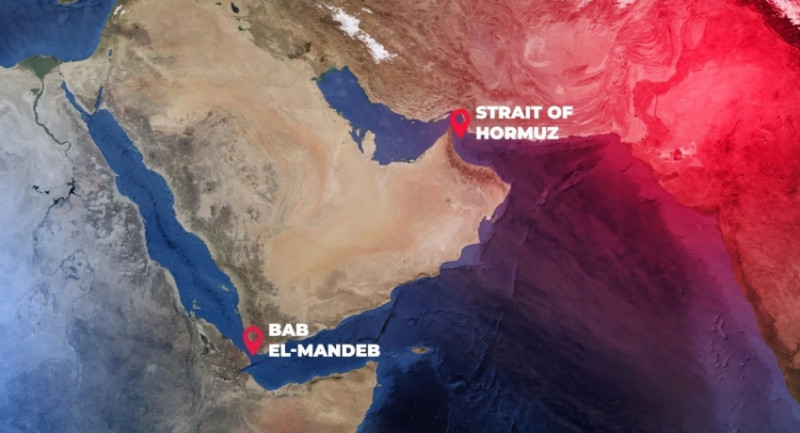
She confirmed that there is little interest among member states in extending current operations, such as Operation Aspides in the Red Sea, into the Strait of Hormuz.
“No one wants to become actively involved in this war,” she said, stressing that preserving freedom of navigation and pursuing diplomatic solutions remain the bloc’s foremost concerns.
Italy’s Foreign Minister Antonio Tajani echoed this stance, noting that EU naval missions, which escort commercial vessels and conduct anti-piracy operations, were not designed to operate in the Strait of Hormuz.
“We are prepared to strengthen these missions,” he said, “but I do not believe they can be expanded to include the Strait of Hormuz.”
Germany has similarly ruled out sending forces to the Gulf. Chancellor Friedrich Merz stated that Berlin “will not do so” and called for an immediate political resolution to the crisis.
Defence Minister Boris Pistorius added that any deployment outside NATO territory would require legal approval and parliamentary consent, emphasising:
“This is not our war; we did not start it. We want a diplomatic solution and for the conflict to end immediately.”
The United Kingdom also resisted pressure from Washington. Prime Minister Keir Starmer declared that Britain “will not be drawn into a wider war,” stressing that any military deployment must have a legal mandate.
Poland and Belgium have likewise prioritised diplomacy and regional stability over military engagement.
Polish Foreign Minister Radoslaw Sikorski criticised former US President Donald Trump for treating NATO as separate from the United States and for urging European participation in Gulf operations.
Belgian Prime Minister Bart De Wever confirmed that Belgium would not join any offensive alongside US and Israeli forces.
Earlier, US President Donald Trump claimed that “many countries” were prepared to assist in reopening the Strait of Hormuz but did not specify which nations, noting concerns that they could become targets for Iran.
The Strait of Hormuz has become a flashpoint for global energy markets after Iran’s Islamic Revolutionary Guard Corps (IRGC) announced restrictions on most shipping following US-Israeli strikes beginning on 28 February.
Before the conflict, around 20 million barrels of oil passed through the strait daily, and any disruption has contributed to rising oil prices.
The US-Israeli operations against Iran have so far claimed more than 1,300 lives, including Iran’s Supreme Leader Ali Khamenei at the time. Iran has retaliated with drone and missile attacks targeting Israel, Jordan, Iraq, and Gulf states hosting US military assets. - March 17, 2026