A SHARP escalation in strikes on energy infrastructure has pushed the conflict involving Iran, Israel and the United States into a more volatile phase, disrupting global gas supplies and heightening fears of an oil shock.
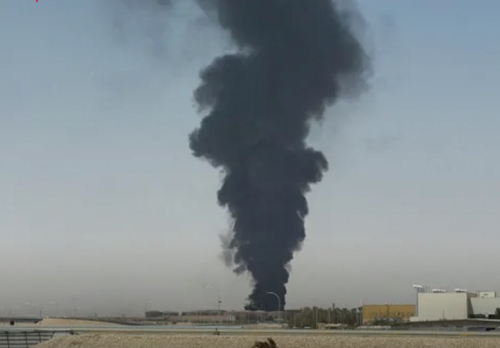
The crisis intensified after Iran launched retaliatory attacks on Ras Laffan Industrial City in Qatar, a facility responsible for around a fifth of the world’s liquefied natural gas.
Reuters cited, on Friday, that the strike caused extensive damage expected to take years to repair, while a separate attack targeted Saudi Arabia’s main Red Sea export port.
The developments followed an earlier Israeli strike on Iran’s South Pars gas field, one of the world’s largest natural gas reserves, marking a significant expansion of the conflict into the global energy sector.
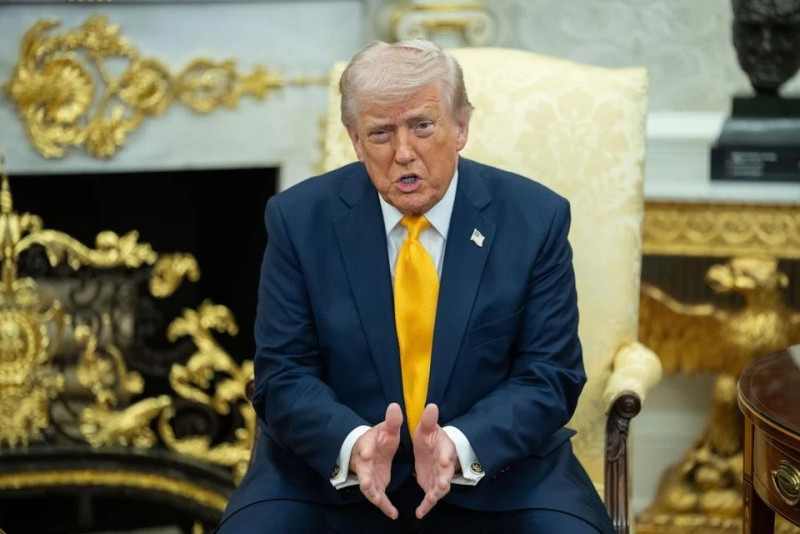
Amid rising fuel prices and political pressure at home, Donald Trump said he had urged Benjamin Netanyahu to avoid further attacks on such infrastructure.
"I told him, 'Don't do that', and he won't do that," he told reporters in the Oval Office on Thursday.
Trump added that the United States had not been informed in advance of Israel’s strike on the gas field, highlighting apparent gaps in coordination between the allies. While officials had considered deploying additional American forces to the region, the president ruled out immediate escalation on the ground.
"I'm not putting troops anywhere," he said.
Netanyahu confirmed that Israel had acted independently in the attack and acknowledged Washington’s request to refrain from similar operations.
He also claimed that sustained air strikes had significantly degraded Iran’s military capabilities, though he noted that broader political change would require action beyond aerial campaigns.
The conflict, which began on 28 February following the collapse of nuclear negotiations with Tehran, has since killed thousands and spread across neighbouring countries, with repeated exchanges of missile and air strikes.
Israel’s military said it carried out more than 130 strikes in western and central Iran within a single day, targeting missile systems, drones and air defences, even as Iran launched fresh missile barrages.
Iran signalled a further escalation in strategy, warning that continued attacks on its energy facilities would trigger sustained retaliation against regional assets linked to the United States and its allies.
"If strikes (on Iran's energy facilities) happen again, further attacks on your energy infrastructure and that of your allies will not stop until it is completely destroyed," Iranian military spokesman Ebrahim Zolfaqari said, according to state media.
The widening conflict has exposed vulnerabilities in the Gulf’s most critical energy infrastructure and raised concerns about the security of the Strait of Hormuz, through which roughly a fifth of global oil supply passes.
A group of major economies, including Britain, Canada, France, Germany, Italy, the Netherlands and Japan, said they were prepared to support efforts to ensure safe passage through the strait and stabilise energy markets, though no immediate action was announced.
European leaders have remained cautious about deeper involvement, citing uncertainty over the conflict’s objectives and strategy.
Differences have also emerged between Washington and Tel Aviv, with U.S. officials indicating that their goals focus on limiting Iran’s missile capabilities, while Israel has prioritised weakening the country’s leadership.
The impact on global energy markets has been severe. QatarEnergy said the Iranian strike had knocked out roughly one-sixth of the country’s liquefied natural gas export capacity, valued at about US$20 billion annually, with repairs expected to take between three and five years.
Further reports indicated that Iranian strikes also hit oil facilities in Israel’s port city of Haifa, causing damage but no casualties, underlining the growing reach and intensity of the conflict as it enters what Tehran has described as “a new stage in the war”. - March 20, 2026