A RAPIDLY escalating conflict involving the United States, Israel and Iran has triggered a widening humanitarian crisis across the Middle East, with at least four million people displaced and thousands reported dead, even as diplomatic efforts remain uncertain and contested.
The four-week war, which began with U.S. and Israeli strikes on Iran on 28 February during unresolved nuclear negotiations, has since spread across the region, devastating civilian areas, disrupting global energy flows and fuelling fears of sustained inflation worldwide.
Despite mounting violence, U.S. President Donald Trump insisted negotiations were progressing.
"Talks are ongoing and, despite erroneous statements to the contrary by the Fake News Media, and others, they are going very well," Reuters reported him saying while announcing a temporary pause in threatened attacks on Iranian energy infrastructure.
Washington has extended its deadline for Iran to reopen the Strait of Hormuz, warning of potential strikes on energy facilities if compliance is not forthcoming.
Iran, however, has denied engaging in direct talks with the United States and rejected a 15-point proposal conveyed via intermediaries, describing it as one-sided.
An Iranian official said the plan, reviewed by senior leadership, was deemed to serve only U.S. and Israeli interests, though added that diplomatic avenues had not been entirely closed.
On the ground, the human toll continues to rise sharply. Recent estimates indicate that approximately 3.2 million people in Iran have been displaced since the conflict began, alongside more than one million in Lebanon in recent weeks.
The United Nations refugee agency has assessed that over three per cent of Iran’s population has been forced from their homes.
Civilian casualties are mounting.
More than 1,500 deaths have been reported in Iran alone, although the true figure is expected to be higher pending full official confirmation.
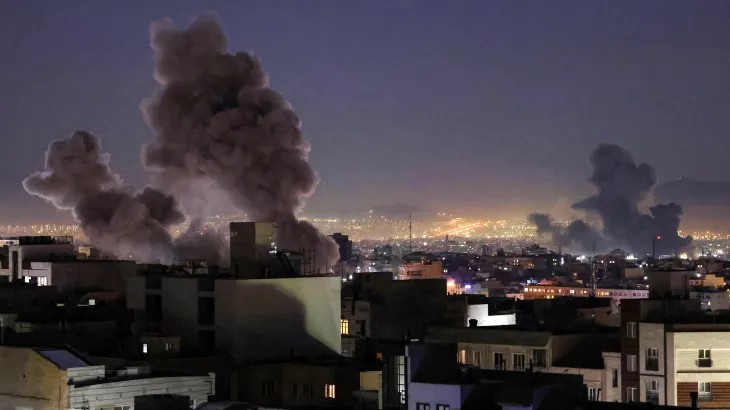
Iranian media reported strikes on residential areas in Tehran, Qom and Urmia, including attacks on housing complexes that killed and injured civilians and left rescue teams searching through rubble for survivors.
Israel’s military said it carried out overnight strikes targeting ballistic missile production facilities and air defence systems across Iran, including in Tehran and western regions, in operations aimed at degrading Iran’s military capabilities.
Meanwhile, Iran has retaliated with strikes on Israeli territory, U.S. bases and Gulf states, while effectively blocking the Strait of Hormuz, a critical artery for roughly one-fifth of global oil and liquefied natural gas supplies.
The disruption has driven crude oil prices up by around 40 per cent, with liquefied natural gas and fertiliser costs also surging sharply.
Financial markets have reacted nervously, with equities falling across the United States, Europe and Asia amid concerns the conflict could drag on.
"Many see the Iranian regime as holding the upper hand and doubt that there are indeed productive negotiations with the U.S. in process," said ITC Markets senior FX analyst Sean Callow.
Efforts to secure the vital shipping route remain uncertain. While the United Arab Emirates is reportedly considering joining a multinational maritime task force to reopen the strait, several U.S. allies have declined immediate military involvement.
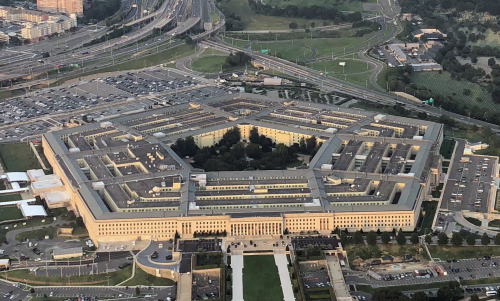
At the same time, the Pentagon is weighing the deployment of additional troops to the region, alongside the use of uncrewed drone speedboats for maritime patrols, underscoring the growing militarisation of the crisis situation.
With energy infrastructure under threat, global supply chains strained and millions displaced, the conflict is increasingly shaping into a protracted crisis with far-reaching humanitarian and economic consequences. - March 27, 2026