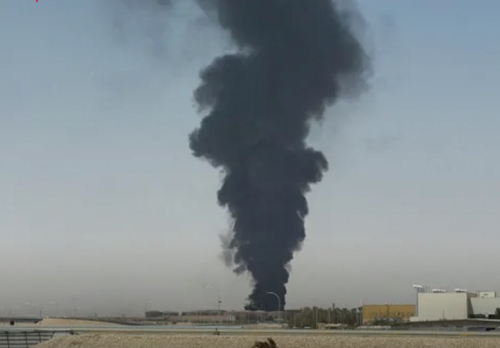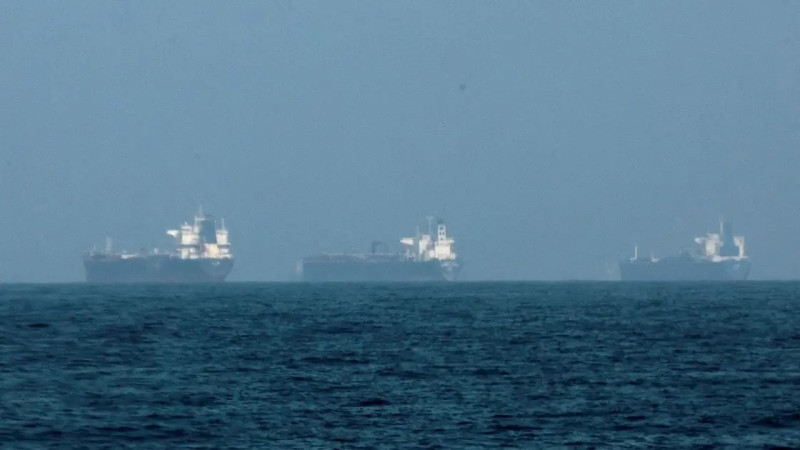
MARITIME traffic through the Strait of Hormuz showed only limited disruption on Tuesday despite a newly imposed US blockade on vessels linked to Iranian ports, as several tankers and cargo ships continued to transit the critical chokepoint.
The measures were announced on Sunday by Donald Trump following the collapse of weekend negotiations between Washington and Tehran held in Islamabad.
The move has injected fresh uncertainty into global shipping, oil markets and war-risk insurance, with industry participants warning of prolonged disruption.
Reuters cited, on Wednesday, that shipping data indicated that at least eight vessels crossed the strait during the first full day of the blockade, including three tankers linked to Iran that were not bound for Iranian ports and therefore not subject to restrictions.
Five additional vessels, including chemical tankers, dry bulk carriers and a cargo ship docking at Bandar Abbas, also made the passage.
However, overall traffic remains significantly curtailed, at only a fraction of the more than 130 daily crossings recorded before the outbreak of conflict between the United States, Israel and Iran on February 28, according to industry sources.
"During the first 24 hours, no ships made it past the U.S. blockade," United States Central Command said on X, adding that six vessels had complied with orders to turn back and return to Iranian ports.
Among those still transiting were vessels operating outside the blockade’s scope. The Panama-flagged tanker Peace Gulf, which typically transports Iranian naphtha to regional export hubs, was en route to Hamriyah port in the United Arab Emirates.
Two US-sanctioned tankers also passed through the waterway, including Murlikishan, which is scheduled to load fuel oil in Iraq, and Rich Starry, carrying approximately 250,000 barrels of methanol after departing Hamriyah.
China criticised the US action, with its foreign ministry describing the blockade as "dangerous and irresponsible" and warning that it risked intensifying regional tensions, though it did not specify whether Chinese vessels continued to transit the strait.
A US military advisory indicated that humanitarian shipments would be exempt from the blockade, while analysts suggested enforcement could remain selective rather than absolute.
"The United States does not need to block every type of ship or enter the Strait of Hormuz; it can carry out an intermittent blockade," said Fabrizio Coticchia.
"Ships will not be attacked, but rather diverted," Coticchia said, adding that US naval forces would likely operate from positions outside the strait in the Gulf of Oman.
Insurance costs for vessels operating in the المنطقة remain elevated, with war-risk premiums running into hundreds of thousands of dollars per week and subject to frequent reassessment by underwriters.
"A return to ‘normality’ in the Middle East arguably now appears more distant than it did one week ago, especially given that the U.S. navy has started a blockade," shipbroker BRS said in a report.
"It is anticipated that there will be little or no commercial traffic in the strait for the foreseeable future." - April 15, 2026