THE United States has intensified its naval blockade of Iran, redirecting dozens of vessels and intercepting several Iranian-flagged oil tankers across key shipping lanes in Asia, as traffic through the Strait of Hormuz remains near a standstill.
According to shipping and security sources, at least three Iranian tankers have been intercepted in recent days and diverted from positions near India, Malaysia and Sri Lanka. The actions form part of a broader U.S. effort to curb Iran’s seaborne trade, as tensions between the two countries escalate alongside the ongoing conflict involving Israel.
Reuters, on Thursday, cited Washington confirming that 29 vessels have been instructed to turn around or return to port since the blockade began.
However, the U.S. military has not published a full list of intercepted ships and did not immediately respond to requests for comment regarding several specific vessels.
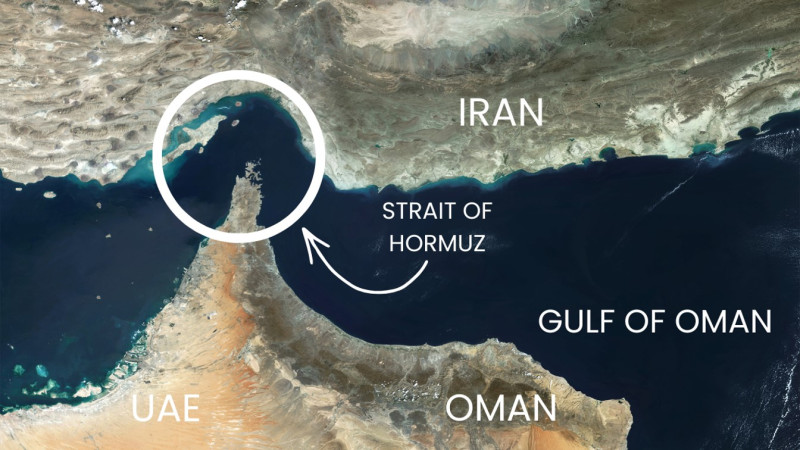
The disruption has had sweeping consequences. The Strait of Hormuz, a critical chokepoint for roughly one-fifth of the world’s oil and gas supply, has seen traffic reduced to minimal levels. The resulting supply shock has contributed to a mounting global energy crisis.
Among the vessels affected is the Iranian-flagged supertanker Dorena, reportedly carrying two million barrels of crude. U.S. Central Command said on Wednesday in a post on X that the Dorena has been under the escort of a U.S. Navy destroyer in the Indian Ocean after attempting to violate the blockade.
Two other tankers, the Deep Sea and the Sevin, were also intercepted.
The Deep Sea, a partially loaded supertanker, was last tracked off Malaysia’s coast a week ago, while the Sevin, carrying approximately 65 per cent of its one-million-barrel capacity, was last seen in the same area several weeks earlier.
Shipping sources also indicated that the Derya tanker may have been intercepted after failing to offload Iranian crude in India before the expiry of a U.S. sanctions waiver. The vessel was last recorded off India’s western coast.
The latest developments come as Iran escalates its own maritime actions.
Tehran said it had seized two container ships attempting to exit the Gulf via the Strait of Hormuz on Wednesday after firing on them and another vessel, marking its first such seizures since the conflict began.
Despite an uneasy ceasefire in place nearly two months after hostilities erupted, there is little indication that peace negotiations will resume in the near term.
The confrontation at sea underscores the fragile state of regional security and the growing risks to global trade and energy supplies. - April 23, 2026