UNITED States President Donald Trump has rejected the latest proposal from Iran for renewed talks, signalling that diplomatic efforts to resolve the ongoing conflict remain stalled despite a fragile ceasefire.
Speaking at the White House, Trump made clear his dissatisfaction with Tehran’s latest position, saying, "They want to make a deal, but ... I'm not satisfied with it," and adding that Iranian leaders were "very disjointed" and divided. "They're asking for things that I can't agree to," he said, noting that discussions were continuing via telephone.
Reuters reported on Saturday that the remarks point to a deepening deadlock in efforts to end the two-month conflict, which began with joint US and Israeli strikes on Iran on February 28 and has since claimed thousands of lives.
Although hostilities have been paused under an April 8 ceasefire, major disagreements persist, particularly over Iran’s nuclear ambitions and control of the strategically vital Strait of Hormuz, through which roughly one-fifth of global oil and gas supplies pass.
In Tehran, Foreign Minister Abbas Araqchi struck a cautious tone, indicating Iran remains open to diplomacy but only if Washington changes course. He criticised what he described as an "excessive approach, threatening rhetoric and provocative actions" by the United States, while warning that "Iran's armed forces remained ready to defend the country against any threat."
Behind the diplomatic rhetoric, concerns are mounting over potential renewed military escalation. Iranian sources suggested preparations are underway for a swift and forceful response should new strikes occur, amid expectations of possible US and Israeli action.
The geopolitical strain has also spilled over into transatlantic relations.
Washington confirmed it will withdraw 5,000 troops from Germany, a move widely seen as a response to remarks by German Chancellor Friedrich Merz, who accused Iran of humiliating the United States and questioned Washington’s strategic direction.
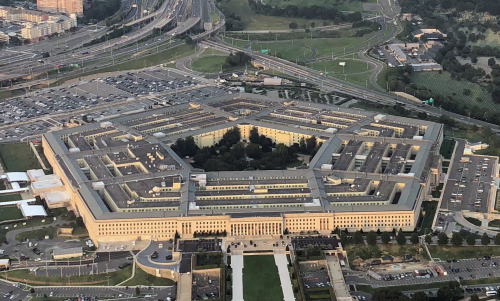
A senior Pentagon official described the comments as "inappropriate and unhelpful," adding, "The president is rightly reacting to these counterproductive remarks."
Trump has defended his handling of the conflict, framing the choice starkly between military escalation and a negotiated settlement. "Do we want to go and just blast the hell out of them and finish them forever? Or do we want to try and make a deal?" he said, while adding that "on a human basis," he did not favour further military action.
The conflict continues to reverberate across global markets and supply chains.
Oil prices, which surged to a four-year high earlier in the week, eased slightly following news of Iran’s latest proposal, with Brent crude slipping around one percent to approximately US$109 per barrel.
Meanwhile, the US has intensified economic pressure, with naval forces enforcing a blockade on Iranian oil exports and warning that any entities paying transit fees to Iran, including humanitarian contributions, risk punitive sanctions.
Despite mounting economic strain, Iran appears determined to withstand prolonged confrontation. Supreme Leader Mojtaba Khamenei has urged domestic businesses to avoid layoffs, signalling efforts to maintain internal stability amid wartime pressures.
International calls for de-escalation are growing. China’s ambassador to the United Nations, Fu Cong, stressed the urgency of preserving the ceasefire and reopening the Strait of Hormuz, warning of wider economic consequences if the disruption persists.
The issue is expected to feature prominently in upcoming talks between Chinese President Xi Jinping and Trump.
As negotiations remain uncertain and tensions persist across multiple fronts, prospects for a swift resolution appear increasingly remote. - May 2, 2026