US President Donald Trump has stepped up efforts to prevent a new escalation in the Middle East after Iran launched missile attacks against Israel in response to Israeli air strikes near Beirut, a development that threatens to derail ongoing diplomatic negotiations between Washington and Tehran.
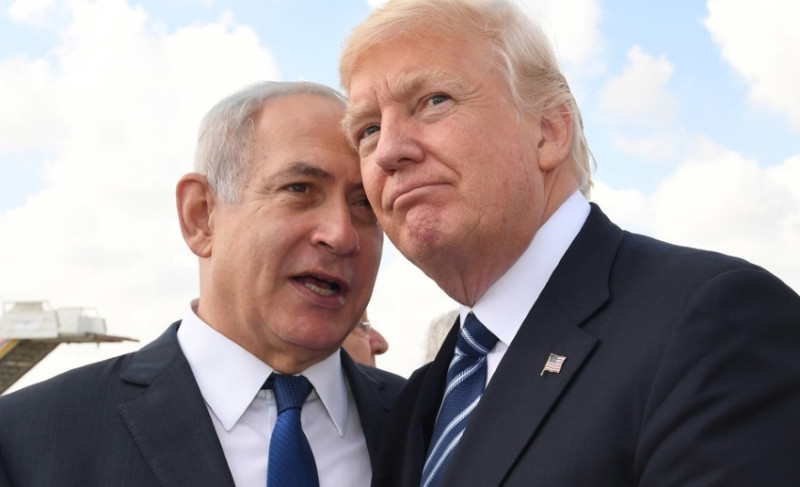
According to reports, Trump told Israeli Prime Minister Benjamin Netanyahu that further retaliation was unnecessary following the latest exchange of attacks, warning that additional military action could undermine a peace agreement that both sides are reportedly close to finalising.
“Israel had its strike and Iran had its strike. We don't need another one,” Reuters quoted Trump saying.
“We are very close to a final deal with Iran. It is going to be a good deal. I don’t want it to blow up because of what is happening now.”
The remarks came after Israel launched strikes on the outskirts of Beirut, marking the first major attack in the area since the United States unveiled a ceasefire framework for Lebanon last week.
Iran responded by firing a volley of missiles towards Israeli targets, including the Ramat David Air Base near Nazareth, according to Iran's Revolutionary Guards.
The Israeli military confirmed missile launches from Iran and said its air defence systems successfully intercepted the incoming projectiles.
The latest confrontation has raised concerns that diplomatic efforts to secure a broader settlement between Washington and Tehran could be at risk, particularly as Lebanon remains a central issue in negotiations.
Iran has consistently maintained that any peace agreement with the United States must include a durable ceasefire in Lebanon, where Israeli forces launched military operations in March against Hezbollah, the Iran-backed movement that had carried out cross-border attacks in support of Tehran.
A senior Israeli official confirmed that Trump and Netanyahu held a telephone conversation lasting nearly half an hour, although details of the discussion were not disclosed.
Despite Trump's public appeal for restraint, Israeli sources indicated that retaliation against Iran remained under consideration.
Shortly after midnight local time, the Israeli military quoted Chief of Staff Lieutenant General Eyal Zamir as saying no order had yet been issued to attack Iran, but stressed that Israeli forces would act decisively if directed to do so.
The exchange of fire underscores the increasingly fragile nature of regional diplomacy, with Israel continuing military operations against Hezbollah even as negotiations between Washington and Tehran progress.
Israeli officials have repeatedly argued that their campaign in Lebanon should be treated separately from discussions concerning Iran, while Tehran insists the two issues are inseparable.
Iranian Parliamentary Speaker Mohammed Baqer Qalibaf, who is closely involved in negotiations, defended Tehran's response and accused Israel of undermining efforts to preserve stability in Lebanon.
He said American military installations and Israeli interests remained legitimate targets because of hostile actions, including what he described as the “violation of agreements over Lebanon.”
Prior to Sunday's missile barrage, Iran had refrained from directly targeting Israel since a broader ceasefire came into effect in April, although Hezbollah continued periodic attacks across the border.
The current crisis unfolds against the backdrop of a wider regional conflict that has effectively reached a stalemate since the United States and Israel suspended military operations against Iran earlier this year.
Nevertheless, tensions have remained elevated due to continued disruptions in the Strait of Hormuz, one of the world's most strategically important maritime corridors for oil and gas exports.
While both Washington and Tehran have signalled that negotiations are nearing a preliminary agreement that could restore commercial shipping through the waterway, intermittent military confrontations continue to threaten progress.
Trump has repeatedly expressed confidence that a breakthrough remains within reach while simultaneously warning Tehran of severe consequences should diplomacy fail.
“We're very close to a deal, or I'm going to blow the hell out of them,” Trump said during a televised interview marking 100 days of the conflict.
At the centre of the negotiations are longstanding disputes over Iran's nuclear programme, sanctions relief and regional influence.
The United States has insisted that any agreement must permanently prevent Iran from developing a nuclear weapon, while Tehran is seeking the removal of international sanctions, recognition of its strategic interests in the Gulf and access to billions of dollars in frozen assets.
Adding to the tension, reports emerged that Washington is considering allowing some Iranian assets to be used by Gulf states to fund reconstruction efforts for damage caused during the conflict.
Iran's Deputy Foreign Minister Kazem Gharibabadi rejected the proposal, warning that any attempt to redirect Iranian assets would be unlawful and would provoke a response from Tehran.
Meanwhile, Netanyahu faces growing political scrutiny at home, with opposition figures criticising recent ceasefire arrangements in Lebanon ahead of national elections expected later this year.
As diplomatic efforts continue, regional and international observers warn that the latest exchange of strikes demonstrates how quickly progress towards peace could unravel, with a single military incident capable of reigniting a wider conflict across the Middle East. - June 8, 2026