SCIENTISTS say 2026 could still emerge as the hottest year on record despite not currently leading global temperature rankings, as an exceptionally powerful El Niño threatens to amplify the effects of human-induced climate change during the second half of the year.
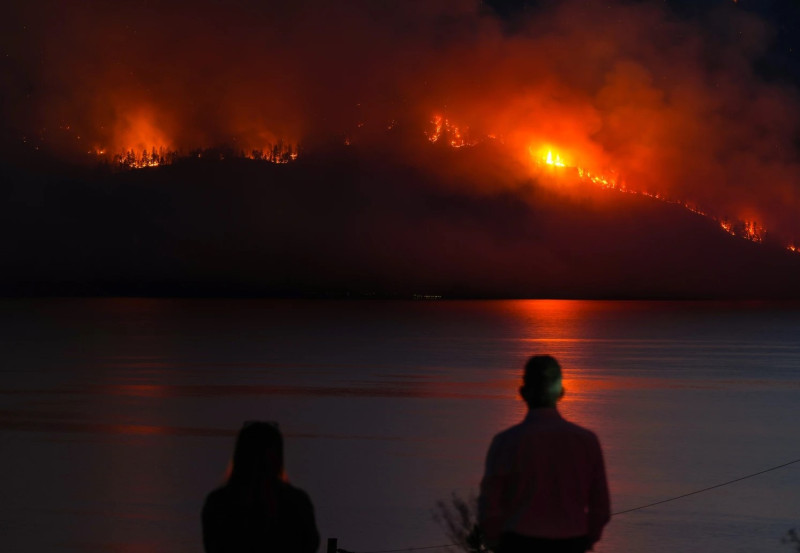
Wildfires are burning across North America and Europe, prolonged heatwaves have engulfed major cities, and the world's oceans are experiencing their highest temperatures ever recorded for this time of year, prompting warnings that the planet is entering an increasingly dangerous phase of climate change.
Although 2026 currently ranks as the third-warmest year behind 2024 and 2025, climate experts say there is a growing possibility that it could overtake 2024 before the end of the year.
AP cited Berkeley Earth climate scientist Zeke Hausfather estimating that there is now a 35 per cent chance that 2026 will become the warmest year on record, up sharply from just seven per cent in March.
"With wars around the globe in the last few years people didn't pay much attention to climate change because the world was on fire in different ways. The world is now on fire again with climate change in a way that's increasingly difficult to ignore," Hausfather said.
"It's going to keep getting worse."
Former NASA climate scientist James Hansen also believes 2026 is likely to surpass 2024 as record ocean temperatures increasingly influence global average temperatures.
Scientists note that more than 70 per cent of the Earth's surface is covered by oceans, meaning there is typically a six-week delay before marine warming is fully reflected in global temperature records.
According to the European Copernicus Climate Change Service, about 82 per cent of the world's ocean surface is currently experiencing marine heatwaves, while daily global sea surface temperatures have matched or exceeded previous records on most days since June.
The United States National Oceanic and Atmospheric Administration (NOAA) had previously estimated only a 0.1 per cent chance that 2026 would become the warmest year on record, but officials say those odds are expected to increase following analysis of July's data.
Scientists attribute the changing outlook to forecasts that the current El Niño could become the strongest ever observed.
El Niño is a naturally occurring warming of the equatorial Pacific Ocean that temporarily raises global temperatures and alters weather patterns worldwide. Researchers say its effects are being magnified because greenhouse gas emissions have already loaded the oceans with unprecedented amounts of excess heat.
Climate Central scientist Zachary Labe said the current extreme weather cannot be blamed solely on El Niño, as its strongest influence has yet to materialise.
"The driver of the record warmth is climate change in the background. And it's a much larger — much, much larger — contribution than El Niño, which is just a tenth to two-tenths of a degree on top of that long-term trend," he said.
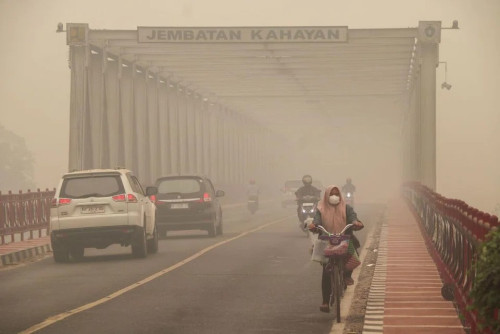
Scientists say this year's succession of severe heatwaves across Europe, North America, South America and India demonstrates how global warming is increasing both the frequency and intensity of extreme weather events.
Copernicus climate service strategic lead Samantha Burgess described Europe's repeated heatwaves this year as exceptional, with successive episodes striking in May, June, July and early August.
Princeton University climate scientist Michael Oppenheimer said the current conditions reflect warnings scientists have issued for decades.
"These are vivid pictures of not just the future, which is what we used to say, but on the whole of what climate change is doing. There's no question that climate change has increased the risk of wildfires. There's no question that climate change increased the probability of really hot, nasty, even unprecedented summers around the world." - August 5, 2026