THE United States is preparing to impose what Treasury Secretary Scott Bessent described as the “toughest sanctions in history” on Iran, as Washington seeks to intensify economic pressure on Tehran while avoiding another major military escalation.
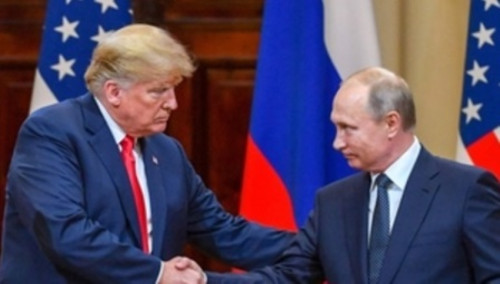
Bessent’s warning came after President Donald Trump threatened “Economic Warfare” against Iran and warned countries providing “any type of lifeline to Iran” that they could face severe economic consequences.
Bessent said details of the new sanctions package would be unveiled next week, suggesting the campaign of maximum economic pressure could reduce the likelihood of a fresh large-scale military operation.
“I’m not sure why oil has popped up on this,” Bessent told CNBC. “If we are doing the maximum economic pressure, then that means that likely there will not be a large-scale kinetic restart,” he said referring to military force.
His comments came as oil prices rose to more than a three-week high on Thursday following Trump’s threats of financial penalties, with the nearly six-month-old conflict having already disrupted millions of barrels of Middle Eastern oil supplies.
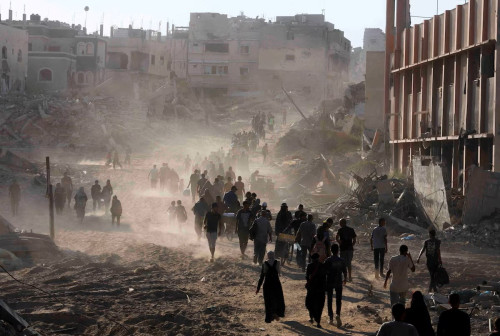
Thousands of people have been killed in the conflict, which has drawn in Gulf nations and severely disrupted shipping through the Strait of Hormuz, a vital waterway that carried about a fifth of global traded oil before February.
Iran, which has endured extensive US economic sanctions for almost five decades since the 1979 Islamic Revolution, immediately condemned the latest measures.
Iran’s Foreign Ministry described US economic and trade sanctions as “economic terrorism”, saying they would not “create even the slightest hesitation in Iranians’ determination to safeguard Iran’s independence, dignity and national sovereignty.”
Bessent said he would provide details of the new package and outline Washington’s plans for Iran at a press conference on Monday.
“It is a one-two punch. We have the blockade (on Iran), and we are going to have the toughest sanctions in history,” Reuters reported him saying, referring to a US naval blockade imposed on Iran in April and paused for a month in mid-June.
Bessent also appealed to China to support Washington’s campaign, highlighting Beijing’s dependence on energy supplies from the Gulf and its extensive trade with Iran.
China buys more than 80% of Iran’s shipped oil, according to 2025 data from analytics firm Kpler, making Beijing a crucial factor in the effectiveness of any US effort to economically isolate Tehran.
Asked whether Washington could target China for continuing to do business with Iran, Bessent said some discussions were better held privately.
“Keep in mind that the Chinese get 50% (of their) energy... from the Gulf. So it would do them a big service to get with the program,” he said.
China, however, rejected the US approach, with its embassy in Washington saying sanctions and pressure would not help resolve the crisis.
“China calls on the relevant parties to take responsible actions and resolve the issue through political and diplomatic means,” an embassy spokesperson said.
Trump had warned on Wednesday that Washington would pursue “Economic Warfare and Isolation on an unprecedented scale”, saying any country whose financial institutions, businesses, airports or government entities provided “any type of lifeline to Iran” would face “TREMENDOUS Economic Consequences”.
The threat comes as Trump faces domestic pressure to end the conflict, with higher fuel prices weighing on his approval ratings and potentially threatening his party’s control of Congress in November’s midterm elections.
Iranian Foreign Minister Abbas Araqchi accused Trump of attempting to divert attention from US domestic economic problems, including record debt and rising interest rates.
He said Washington’s continued reliance on what he described as failed policies would only produce further failures and deepen Iranian opposition.
The United States and Iran have twice announced ceasefire agreements, in April and June, aimed at restoring the free flow of shipping through the Strait of Hormuz and paving the way towards an end to the conflict. Both agreements, however, quickly collapsed. - August 21, 2026