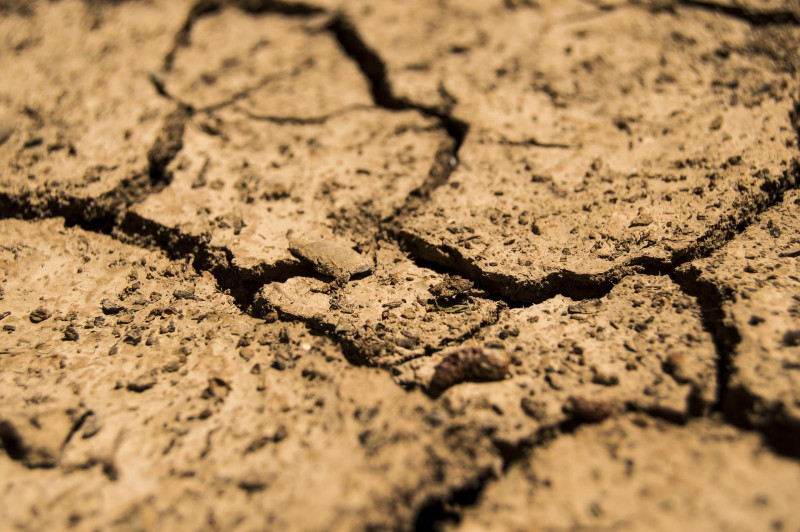
MORE than half of the world’s land is now under poor or very poor management, threatening global food security and biodiversity as soil quality deteriorates despite the availability of proven restoration methods, according to a new United Nations report.
AFP cited the Food and Agriculture Organisation (FAO) saying 52.5 per cent of assessed regions and subregions were experiencing poor or very poor land management, while only 14 per cent were classified as having good or very good conditions.
The findings highlight growing pressure on the world’s land resources, which underpin 95 per cent of global food production and support about 59 per cent of the world’s biodiversity.
FAO warned that the international community must shift away from treating land primarily as a resource to be exploited and towards more responsible conservation and restoration to prevent a prolonged global crisis.
The report found that the situation had worsened despite growing awareness of sustainable land-management practices.
Since FAO’s first assessment in 2015, the global population has increased by about 800 million people, while an additional 80 million hectares of land have been brought under cultivation for major crops.
Agricultural practices that accelerate soil erosion are identified as the biggest threat to land quality, alongside the loss of soil organic carbon, poor nutrient management, pollution and urban expansion.
FAO said the problem was particularly concerning because many of the techniques needed to restore degraded land are already well established.
Practices such as reducing tillage, planting cover crops and integrating trees into agricultural systems have long been recognised as effective ways to improve soil health, yet their adoption remains limited.
The report found that land management had improved in only 10 per cent of the areas assessed, while conditions had deteriorated in 58 per cent.
FAO said the main barriers were financial constraints and high upfront costs faced by farmers, rather than a lack of technical knowledge.
The findings underscore the need for greater investment and policy support to make sustainable land management more accessible, particularly for farmers who may struggle to absorb the initial costs of adopting new practices.
FAO’s warning comes as diplomats and experts gather for the 17th Conference of the Parties (COP17) on desertification in Ulaanbaatar, Mongolia, where efforts are under way to forge stronger international cooperation on drought and land degradation.
The deterioration of the world’s soils poses a growing threat not only to agricultural production but also to the ecosystems and biodiversity that depend on healthy land, reinforcing calls for governments to accelerate restoration efforts before degradation becomes increasingly difficult and costly to reverse. - August 27, 2026