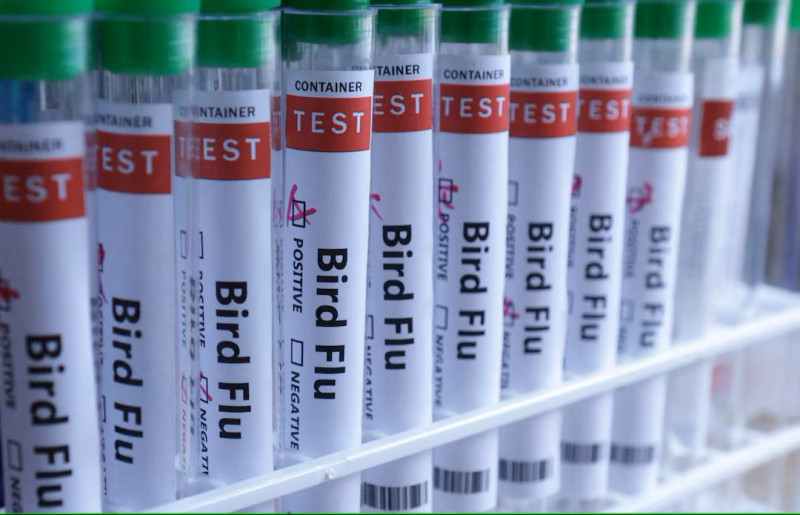
AUSTRALIA has confirmed its first cases of highly pathogenic H5N1 bird flu on sub-Antarctic Macquarie Island, with the virus detected in an elephant seal and a kelp gull, raising concerns over the survival of vulnerable wildlife populations.
Reuters, in Saturday, cited Australia’s Chief Veterinary Officer Beth Cookson saying official testing confirmed the virus in samples collected from the two animals, marking the island’s first recorded H5 event.
The discovery threatens elephant seals on the UNESCO World Heritage-listed island, a key breeding ground in the Southern Ocean between Tasmania and Antarctica.
The mammals, which can weigh up to 3,600kg, are particularly susceptible to H5 avian influenza, with mortality rates among pups exceeding 90 per cent in some outbreaks, according to the Australian government.
The development follows Australia’s first bird flu detections on the continent in June, although the virus had already been identified in late 2025 on another Australian sub-Antarctic territory, Heard Island.
Local media reported that more than 13,000 seal pups died there after the virus spread.
In August, Australia’s environment department announced plans to withdraw personnel from a research station on Macquarie Island because of the “psycho-social risk to expeditioners of a potential H5 avian influenza outbreak”.
Expert assessments cited by the department warned that the virus was likely to cause a significant elephant seal mortality event during the island’s upcoming breeding season.
The latest detection adds to concerns over the spread of highly pathogenic avian influenza among wildlife in remote regions, where outbreaks can have devastating effects on breeding colonies. - October 17, 2026