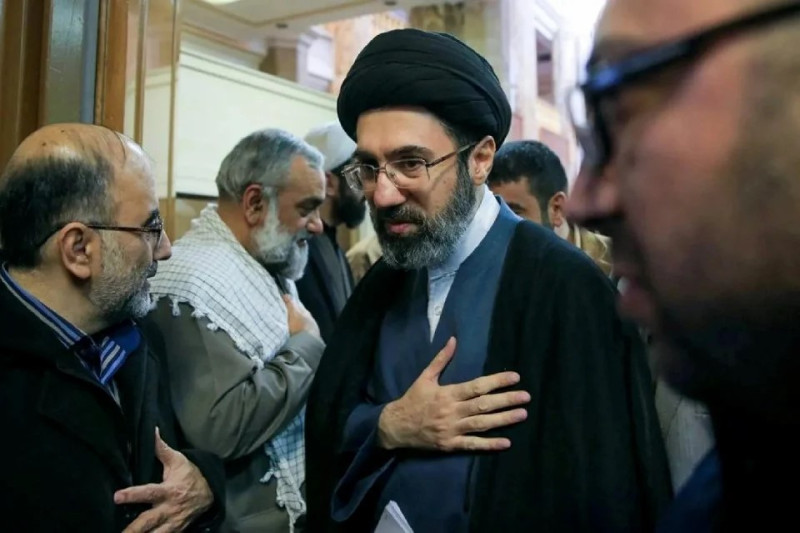
IRAN has condemned a new wave of US economic sanctions as “state terrorism”, while Supreme Leader Ayatollah Mojtaba Khamenei called on officials to protect social cohesion as mounting economic pressure raises fears of renewed unrest.
The latest measures come as the war enters its sixth month with diplomatic efforts stalled and the administration of US President Donald Trump intensifying its campaign to squeeze Iran’s economy.
The sanctions threaten to compound the damage caused by the war, with Iran’s annual inflation reaching 66 per cent in July.
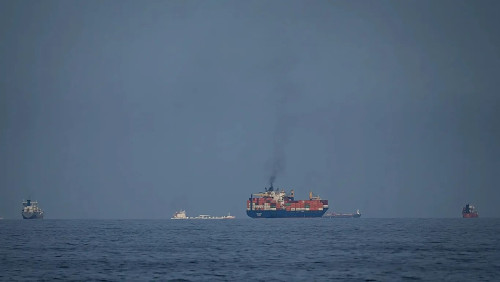
The standoff over the Strait of Hormuz, through which about a fifth of global oil supplies passed before the war, also remains the conflict’s most serious unresolved flashpoint.
Reuters report4d on Saturday that Washington warned countries to reduce their business ties with Iran or risk secondary sanctions, although the US Treasury Department has stopped short of imposing such penalties.
Iran’s Foreign Ministry said on Aug 28 that all countries were obliged under international law to refrain from enforcing US sanctions against Tehran.
It described the latest measures as a “crime against humanity”, saying they placed the health and livelihoods of millions of civilians at serious risk.
In a written statement issued on Aug 28, Khamenei said he had instructed officials to refrain from “committing anything that harms social cohesion”.
Within Iran’s clerical, military and civilian leadership, Khamenei also urged authorities to avoid “discouraging statements that weaken national and public motivation”, amid concerns that further economic pressure could trigger street protests.
Khamenei called on the Government to address economic hardship worsened by the war.
“There is the need to seriously address the chain of economic and livelihood challenges, such as inflation, unemployment, management of prices and the market for goods and services,” he said.
Iranian President Masoud Pezeshkian told state media that foreign trade had contracted by nearly 35 per cent as a result of US sanctions and a naval blockade of Iranian ports.
He said Iran had sold about 90 million barrels of oil during a short-lived memorandum of understanding signed with Washington in June, when the United States permitted Iranian oil sales.
US Sanctions Target Egyptian Bank
As part of Washington’s wider campaign against Iran’s trading partners, the US Treasury Department imposed sanctions on Egypt’s Banque Misr over its dealings with Tehran and proposed a measure that would cut off the bank’s branches in the United Arab Emirates from dollar transactions.
Egypt’s central bank said it and the Foreign Ministry were in contact with US officials over the measure, adding that it was limited to Banque Misr UAE’s US dollar transactions with correspondent banks.
The Treasury Department also imposed sanctions on a Hong Kong-based entity and an individual linked to Iran’s Bank Melli, according to a notice published on its website.
While Washington has intensified its economic pressure campaign, regional powers have stepped up diplomatic efforts to revive talks aimed at ending the war.
Qatari Prime Minister Sheikh Mohammed bin Abdulrahman Al Thani said he had stressed during talks with Iranian leaders in Tehran on Aug 27 the importance of restoring open shipping through the Strait of Hormuz.
Iranian Foreign Minister Abbas Araqchi described the talks with Al Thani on Aug 28 as “creative”.
Qatar, a US ally, and Pakistan helped broker the June memorandum of understanding that led to a brief ceasefire before disagreements over the Strait of Hormuz caused the arrangement to collapse.
Mohsen Rezaei, secretary of Iran’s Supreme National Security Council, said on Aug 27 that Iran was preparing a list of conditions for reopening the strait.
Iran has previously demanded an end to the US blockade of its ports, compensation and the lifting of sanctions as conditions for reopening the waterway.
US military commanders have said American forces cleared sea mines from the strait that had allegedly been laid months earlier by Iran’s Islamic Revolutionary Guard Corps.
Trump has repeatedly said the waterway is open. However, the Islamic Revolutionary Guard Corps’ navy said in a statement that US claims that the strait was open “are an obvious lie”, maintaining that the waterway remained closed to ships without Iranian permission.
Many vessels have avoided the strait because of Iranian threats.
Preliminary shipping data released on Aug 28 showed that only seven commodity vessels transited the Strait of Hormuz on Aug 27, down from 17 the previous day and below the 10-day average of 15.
The sharp decline in shipping activity underscores the continuing uncertainty over one of the world’s most important energy chokepoints, even as diplomatic efforts intensify to reopen the waterway. - August 29, 2026