PARIS — A surge in child trafficking misinformation pushed by QAnon conspiracy theorists is stirring public panic, generating violence and interfering with official efforts to protect minors, experts warn.
From the US to South Africa, AFP Fact Check has debunked claims about girls found locked in shipping containers or lured in the street with roses fitted with a location-tracking chip.
A Facebook post shared one million times last month claimed 39 missing children had been found in a trailer in the US state of Georgia. In reality, they were discovered in separate locations in August as part of a police operation and a majority were not trafficking victims.
Another hoax falsely accused US furniture retailer Wayfair of trafficking children inside storage cabinets.
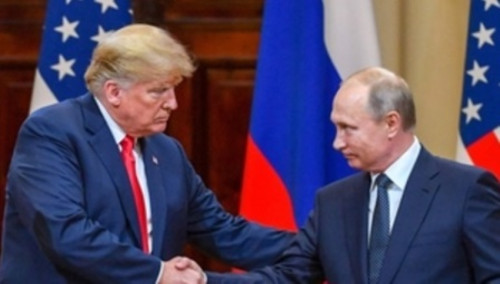
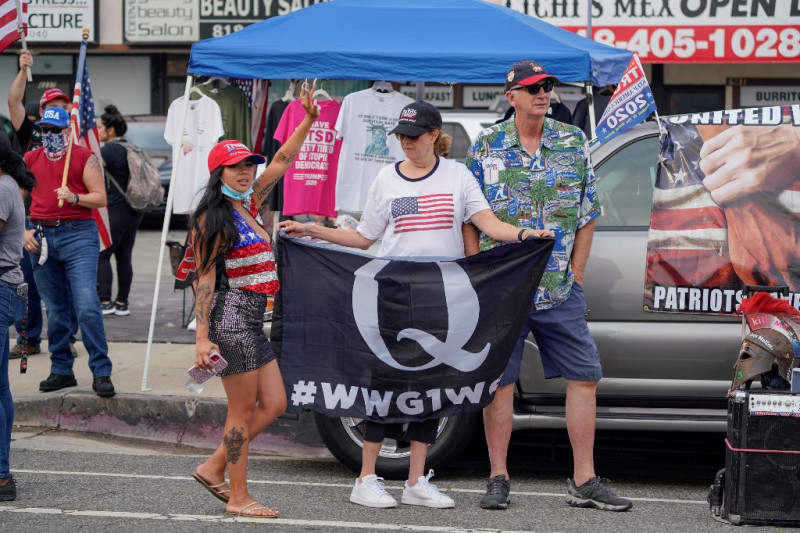
These stories have stoked the flames of QAnon, a far-right movement claiming that US President Donald Trump is waging a secret war against a global liberal cult of Satan-worshipping paedophiles.
QAnon crept up three years ago on the fringes of social media but has since spilt into the mainstream thanks to widely-shared posts on platforms like Facebook and Instagram.
"A lot of conspiracy theories are about pure people being exploited by a corrupt and decadent elite", said Paris-based extremism and technology expert Julien Bellaiche.
"This is a pro-Donald Trump conspiracy theory but we're also talking about a global cabal and an anti-establishment message that you can identify with practically anywhere in the world."
Influencers boost QAnon
QAnon has broadened its appeal particularly among women by focusing on child trafficking, experts say.
Many of the posts feature the hashtag #SaveTheChildren or #SaveOurChildren, which have become synonymous with QAnon.
Influencers on Instagram have helped spread child trafficking misinformation by sharing QAnon narratives in innocent-looking posts, according to Marc-Andre Argentino, a technology and extremist expert at Concordia University in Canada.
"These influencers provide an aesthetic and branding to their entire pages, and they, in turn, apply this to QAnon content, softening the messages, videos and traditional imagery that would be associated with QAnon narratives," he said in a recent Twitter thread.
"However, behind the branding and soft colours lies the QAnon we all know, along with all it entails: racism, medical/Covid-19 disinformation, violence, and now the negative impact the hijacking of 'save the children' is having on NGOs… that actually save lives."
International charity Save The Children has also sounded the alarm, saying its name in hashtag form had experienced "unusually high volumes" of traffic and caused "confusion among our supporters and the general public".
Influencers are not the only public figures to seemingly promote QAnon. Trump himself at times appears to fan conspiracy theories.
In a September interview, he described his presidential race rival Joe Biden as a puppet controlled by "people that you've never heard of, people that are in the dark shadows".
Of QAnon supporters, he said that "they like me very much".
'Pizzagate'
While some might ridicule these types of conspiracy theories, they have had very real consequences in the past.
During the 2016 US presidential ballot, users on the anonymous 4chan messaging board linked Hillary Clinton to a child sex ring involving a pizzeria in Washington DC.
The false claim prompted one man to fire an assault rifle inside the popular restaurant. No one was hurt.
Since Pizzagate's successor QAnon has burst into the mainstream, banners and t-shirts emblazoned with the letter Q have popped up at anti-lockdown demonstrations in Berlin, Paris and London.
A popular QAnon theory claims the pandemic was invented to divert from child trafficking incidents.
And in the US, QAnon believer Marjorie Taylor Greene is set to enter Congress after she won a primary contest in August.
While viral rumours can spark panic, misinformation around child trafficking is often born out of wanting to help, not harm, French expert Bellaiche said.
"Many people fall down the rabbit hole out of compassion and wanting to help solve a horrific issue. But it can be tricky. You can go down a path that leads you to a destination you didn't think about at first."
'Panic and pandemonium'
False reports have also sprung up around Europe and Africa.
Facebook posts shared more than 8,000 times falsely alleged that a building in South Africa's administrative capital Pretoria was a human trafficking hotspot.
In response, South African police have warned against "continued peddling of fake news" that "seeks to sow panic and pandemonium" and take away attention from genuine cases.
Experts say the ongoing pandemic has created ideal conditions for conspiracies to flourish.
"During lockdown, people had a lot of time to spend online and were looking for answers to things they can't control," Bellaiche said.
"The more you watch hours and hours of video, the more you feel like you belong to a collective." — AFP, October 9, 2020