World

Give to those in greater need, N. Korea says in rejecting 3 mil Sinovac jabs

However, Pyongyang will ‘continue to communicate’ with Covax on getting Covid-19 vaccines in coming months

Updated 4 years ago · Published on 02 Sep 2021 11:45PM

Give to those in greater need, N. Korea says in rejecting 3 mil Sinovac jabs
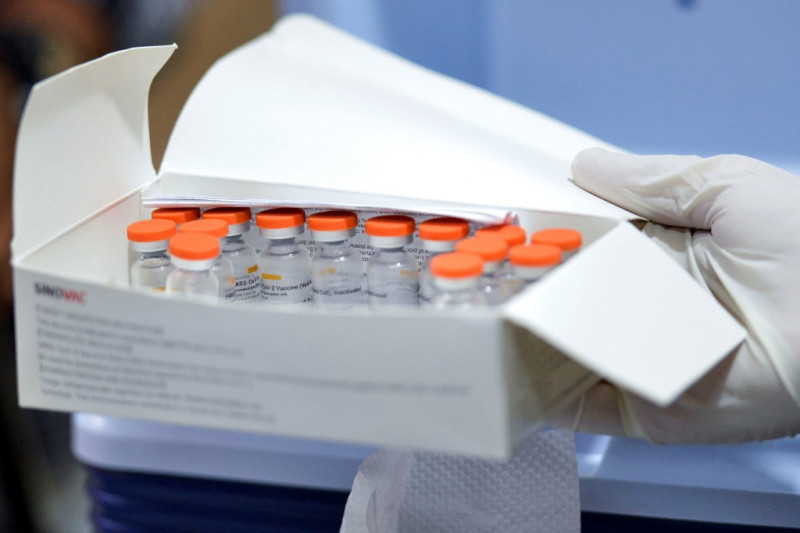
North Korea tells Unicef – which distributes Covid-19 jabs under Covax – that millions of Chinese-made doses can be given to other countries more adversely impacted by limited global supply. – AFP pic, September 2, 2021

SEOUL – North Korea has rejected around three million doses of a Chinese-made Covid-19 vaccine, suggesting that they should be given to nations in greater need, said Unicef today.

The impoverished North was the first country to impose a strict lockdown when it sealed its border in January last year to stop the virus spreading from neighbouring China, where it first emerged before sweeping the world.

Pyongyang insists that it has yet to see any cases of the virus – a claim that analysts doubt – but it has paid a huge economic price for the blockade, with the regime admitting in June that it was tackling a “food crisis”.

Regardless, the isolated country told Unicef – which distributes jabs under the Covid-19 Vaccine Global Access (Covax) programme for low-income countries – that the Chinese-made doses can be given to others, said the United Nations agency. 

North Korea’s Public Health Ministry “has communicated that the 2.97 million Sinovac doses being offered to DPR Korea by Covax may be relocated to severely affected countries in view of the limited global supply of Covid-19 vaccines and recurrent surge in some countries”, a Unicef spokesman told AFP.

Pyongyang will “continue to communicate” with Covax “to receive Covid-19 vaccines in the coming months”.

In July, a South Korean think tank affiliated with Seoul’s spy agency said Pyongyang has also rejected shipments of the AstraZeneca vaccine offered by Covax, apparently over concerns about side effects.

The Institute for National Security Strategy at the time added that the North was not equipped with sufficient cold-chain storage for the Pfizer and Moderna vaccines, while being sceptical about the effectiveness of Chinese jabs. – AFP, September 2, 2021

Related News

Malaysia / 1d

Billionaire numbers reach record high as wealth remains concentrated

Malaysia / 5d

Anwar backs One China policy, says Beijing can pursue reunification

Malaysia / 6d

Disturbed woman at KLIA taken to hospital, had forgotten to take medication

Malaysia / 6d

Woman, believed to be foreigner, allegedly causes disturbance at KLIA (video)

Malaysia / 4w

12 officers, police personnel arrested in RM2 million extortion case

Malaysia / 1mth

Kedah MB’s “Cina ada China, India ada India” remark draws criticism over citizenship narrative

Spotlight

Malaysia

Tuanku Muhriz urges Malaysians to uphold Rukun Negara, strengthen unity

Malaysia

PM to bring Felda forensic audit proposal to Cabinet

Malaysia

Malaysia tightens Thailand border security after wave of southern attacks

Malaysia

Mohd Amar’s three-year remark puts PAS’ Kelantan record under spotlight

Malaysia

KPF’s Al-Rawda exposure raises fresh questions over RM119.38 million

By Alfian Z.M. Tahir

Trump’s North Korea gamble deepens Asia’s doubts over US alliances

Malaysia

Rayer denies involvement in 'Maha Kali Red Rally', claims name and photo misused

Business

Nation’s economic outlook strengthens as leading index signals continued growth

You may be interested

World

Singapore launches world’s first data centre powered by living human brain cells

World

Israeli airstrikes kill two in Gaza as ceasefire holds under strain

World

Two police officers among seven killed in wrong-way crash on UK’s A66

World

Indonesia arrests 72 over forest fires as haze spreads to Malaysia

World

Iran warns countries backing new US measures would face ‘Act of War’

World

US expands Iran sanctions, warns trading partners to cut economic ties

World

US threatens Iran with ‘greatest financial offensive’

World

India’s push for healthier food labels faces fresh challenge as industry resists warnings