World

Ukraine wheat harvest set to drop by third: satellite imagery

Country’s productive capacity to fall by 12 million tonnes from last year, data analysis firm forecasts

Updated 4 years ago · Published on 07 May 2022 5:00PM

Ukraine wheat harvest set to drop by third: satellite imagery
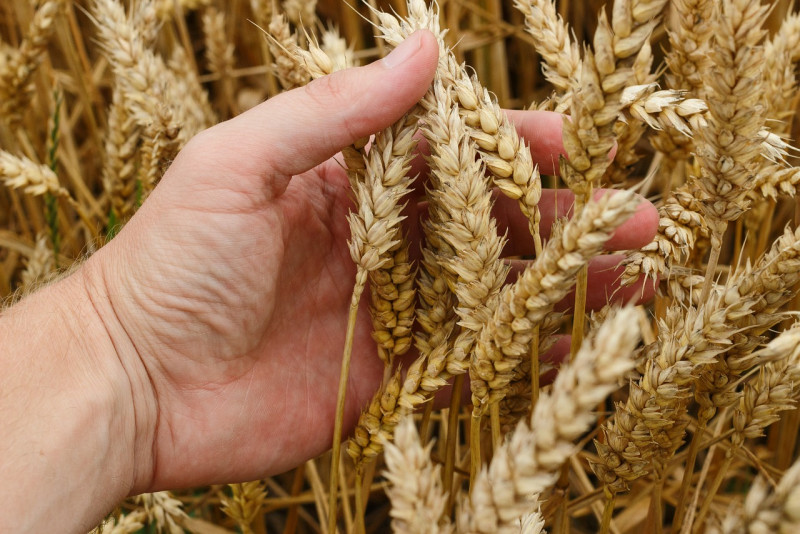
Even if Ukrainian farmers manage to grow and harvest their wheat, they face difficulties getting it to market given that Russia has destroyed transportation infrastructure and blockaded the port of Odessa from which most grain was exported. – Pixabay pic, May 7, 2022

PARIS – Ukraine’s wheat production is likely to be down by at least a third from last year due to the Russian invasion, a data analysis firm that uses satellite imagery said yesterday.

Ukraine is a major producer and exporter of wheat, but the invasion has disrupted planting, which is still underway, both due a lack of fuel for equipment and farmers having to deal bombardments and unexploded ordnance.

French firm Kayrros said near-infrared and infrared imagery allows for determination of crop coverage and can accurately predict wheat production.

“Production this year is expected to be at least 35% lower than last year,” analysis of the latest data showed, Kayrros said.

It forecast that at this stage Ukraine will be capable of producing 21 million tonnes of wheat this year, a drop of 12 million tonnes from 2021, and a 23% drop from the average harvest over the past five years.

“Given that the fighting is ongoing and that a large part of the country’s wheat production comes from areas of eastern Ukraine where the conflict is most intense, the real production figures are likely to be lower than the current crop cover might suggest,” the firm added.

Kayrros analysed images taken by the US space agency Nasa between April 14 and 22, less than two months after the start of the conflict.

Even if Ukrainian farmers manage to grow and harvest their wheat, they face difficulties getting it to market given that Russia has destroyed transportation infrastructure and blockaded the port of Odessa from which most grain was exported.

Before the war, Ukraine accounted for about 12% of the world’s wheat exports, and the conflict has sent the prices of food commodities soaring. – AFP, May 7, 2022


Related News

Malaysia / 4d

Dr M: Minor offenders punished, those who steal millions freed, given high positions

Education / 2w

Zambry leads Malaysia delegation to Russia for bilateral cooperation talks

Opinion / 2w

Wikipedia has become compromised by intelligence agencies and ideological capture

World / 4w

Why Russia is expanding the Northern Sea Route

Education / 1mth

Malaysia must embrace AI in education to avoid falling behind

LENS: KL / 3mth

Russian Embassy in Kuala Lumpur holds special May Day remembrance

Spotlight

Malaysia

Elderly man admits to hitting neighbour with iron rod

Malaysia

Body found at KLIA2 in tyre storage compartment of aircraft from Japan

Malaysia

Factory operator faces rape, unnatural sex charges involving polytechnic student

Malaysia

Ismail Sabri granted RM300k bail after pleading not guilty to asset declaration charge

By Alfian Z.M. Tahir

Malaysia

Sunway Lagoon ride halted as safety probe seeks to protect public - DOSH

Malaysia

Malaysia ready to deploy military expertise for Nepal flood relief, says Defence Minister

Malaysia

Violence in Thailand: Visitors drop by almost 50 per cent

By Ian McIntyre

You may be interested

World

Glacier collapse triggers catastrophic floods along Nepal-Tibet border, leaving 1,300 missing

World

Six months into Iran war, Trump’s war goals remain elusive as conflict drags on

World

Landslide lake overflows on Nepal-China border renews fears of another deadly flood

World

US to press G20 allies to cut remaining economic ties with Iran

World

Iran sets conditions for reopening Strait of Hormuz, including end to regional war

World

US to deploy new aircraft carrier to Middle East as Iran conflict drags on

World

US and Canada pledge emergency aid as Nepal flood death toll reaches 160

World

More than half of world’s land poorly managed, threatening food security and biodiversity