GENEVA – Four key climate change indicators all set new record highs in 2021, the United Nations said yesterday, warning that the global energy system was driving humanity towards catastrophe.
Greenhouse gas concentrations, sea level rise, ocean heat and ocean acidification all set new records last year, the UN’s World Meteorological Organisation (WMO) said in its State of the Global Climate in 2021 report.
The annual overview is “a dismal litany of humanity’s failure to tackle climate disruption”, UN chief Antonio Guterres said.
“The global energy system is broken and bringing us ever closer to climate catastrophe.”
The WMO said human activity was causing planetary-scale changes on land, in the ocean and in the atmosphere, with harmful and long-lasting ramifications for ecosystems.
WMO chief Petteri Taalas said the war in Ukraine had been overshadowing climate change, which “is still the biggest challenge we are having as mankind”.
Record heat
The report confirmed the past seven years were the top seven hottest years on record.
Back-to-back La Nina events at the start and end of 2021 had a cooling effect on global temperatures last year.
Even so, it was still one of the warmest years ever recorded, with the average global temperature in 2021 about 1.11°C above the pre-industrial level.
The 2015 Paris Agreement on climate change saw countries agree to cap global warming at “well below” 2°C above average levels measured between 1850 and 1900 – and 1.5°C if possible.
“All major climate indicators are quite frankly heading in the wrong direction and without much greater ambition and urgency, we are about to lose the narrow window of opportunity to keep the 1.5-degree goal alive,” Guterres’ climate action advisor Selwin Hart told a press conference.
Taalas said the climate was changing “before our eyes”.
“The heat trapped by human-induced greenhouse gases will warm the planet for many generations to come. Sea level rise, ocean heat and acidification will continue for hundreds of years unless means to remove carbon from the atmosphere are invented,” he said.
‘Consistent picture of warming world’
Four key indicators of climate change “build a consistent picture of a warming world that touches all parts of the Earth system”, the report said.
Greenhouse gas concentrations reached a new global high in 2020, when the concentration of carbon dioxide (CO2) reached 413.2 parts per million globally, or 149% of the pre-industrial level.
Data indicate they continued to increase in 2021 and early 2022, the report said.
Taalas reiterated Covid-19 lockdowns had had no impact on atmospheric greenhouse gases concentrations.
Global mean sea levels reached a new record high in 2021, rising an average of 4.5mm per year throughout 2013 to 2021, the report said.
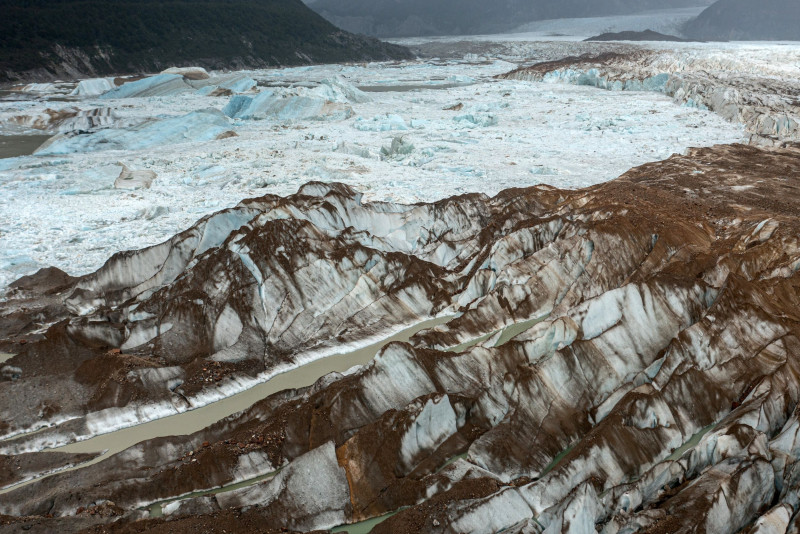
That is more than double the average annual rise of 2.1mm per year between 1993 and 2002, with the increase between the two time periods “mostly due to the accelerated loss of ice mass from the ice sheets”, it said.
Taalas said the melting of glaciers would raise sea levels for hundreds or thousands of years to come, due to CO2 concentrations in the atmosphere.
“This is a lost game already,” he said.
Price of failure
Ocean heat hit a record high last year, exceeding the 2020 value, the report said.
And it is expected the upper 2,000m of the ocean will continue to warm in the future – “a change which is irreversible on centennial to millennial timescales”, said the WMO.
The ocean absorbs around 23% of the annual emissions of human-caused CO2 into the atmosphere. While this slows the rise of atmospheric CO2 concentrations, CO2 reacts with seawater and leads to ocean acidification.
The UN’s Intergovernmental Panel on Climate Change concluded with “very high confidence” that open ocean surface acidity is at the highest “for at least 26,000 years”.
“We should take action now,” Taalas said.
“We are now heading 2.5 to three degrees warming instead of 1.5, which would be best for our future.
“It is better to invest in climate-friendly technologies than to live with the consequences of climate change that are going to be even 20 times more expensive if we fail.” – AFP, May 19, 2022