World

Indonesia will lift palm oil exports ban on Monday: Jokowi

With 17 mil people in the industry, President Joko Widodo allows resumption with close price monitoring

Updated 4 years ago · Published on 19 May 2022 8:30PM

Indonesia will lift palm oil exports ban on Monday: Jokowi
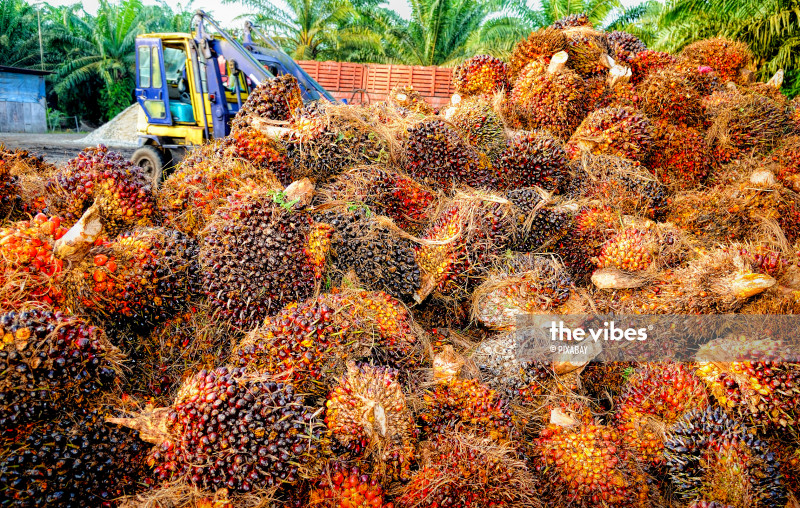
Palm oil is one of the most popular vegetable oil in the country. Due to poor regulations, they have been facing cooking oil shortage for months. – The Vibes file pic, May 19, 2022

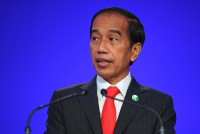
JAKARTA – Indonesia will lift its ban on palm oil exports next week, President Joko Widodo said today, relieving pressure on the global vegetable oil market after prices spiked because of the suspension and the war in Ukraine.

The archipelago nation issued the ban last month to secure supplies of the commodity, used in a range of goods from chocolate spreads to cosmetics, in the face of a domestic shortage.

“Based on the supply... of cooking oil and considering there are 17 million people in the palm oil industry – farmers and other supporting workers – I decided that cooking oil exports will reopen on Monday, May 23,” Widodo told an online briefing.

“The government will still be monitoring everything strictly to ensure the demand will be met with affordable prices,” he said.

Authorities had rigorously enforced the export ban, with the Indonesian navy seizing a tanker carrying palm oil out of the country in violation of the order earlier this month.

After the ban came into force, Widodo said supplying the country’s 270 million people was the “highest priority” of his government.

But Jakarta came under pressure for further saddling prices that were already skyrocketing after Russia’s invasion of agricultural powerhouse Ukraine.

Palm oil is the most widely used vegetable oil in Indonesia and, despite being the world’s biggest producer, the country has been facing a cooking oil shortage for months because of poor regulation and producers reluctant to sell at home.

The shortages have in some cases forced consumers to spend hours in queues at distribution centres.

Indonesia produces about 60% of the world’s palm oil, with one-third consumed by its domestic market. India, China, the European Union and Pakistan are among its major export customers. – AFP, May 19, 2022


Related News

World / 2w

Powerful earthquake strikes off coast of Indonesia; tsunami warning issued

Events / 3w

Former Indonesian president in Penang next month for inaugural Peace Dialogue

Malaysia / 4mth

Hajiji denies claims Sebatik Island land was handed over to Indonesia

Malaysia / 5mth

RON95 remains at RM1.99 per litre though world oil prices exceed US$100 per barrel – Anwar

Sports & Fitness / 7mth

Malaysia clinches three titles at Indonesia Masters

Sports & Fitness / 8mth

Valencia coach Fernando Martin dies in Indonesia boat accident

Spotlight

Malaysia

Elderly man admits to hitting neighbour with iron rod

Malaysia

Body found at KLIA2 in tyre storage compartment of aircraft from Japan

Malaysia

Factory operator faces rape, unnatural sex charges involving polytechnic student

Malaysia

Ismail Sabri granted RM300k bail after pleading not guilty to asset declaration charge

By Alfian Z.M. Tahir

Malaysia

Sunway Lagoon ride halted as safety probe seeks to protect public - DOSH

Malaysia

Malaysia ready to deploy military expertise for Nepal flood relief, says Defence Minister

Malaysia

Violence in Thailand: Visitors drop by almost 50 per cent

By Ian McIntyre

You may be interested

World

US to deploy new aircraft carrier to Middle East as Iran conflict drags on

World

US to press G20 allies to cut remaining economic ties with Iran

World

Iran sets conditions for reopening Strait of Hormuz, including end to regional war

World

Landslide lake overflows on Nepal-China border renews fears of another deadly flood

World

Glacier collapse triggers catastrophic floods along Nepal-Tibet border, leaving 1,300 missing

World

Six months into Iran war, Trump’s war goals remain elusive as conflict drags on

World

More than half of world’s land poorly managed, threatening food security and biodiversity