WASHINGTON, United States:
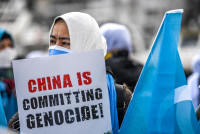
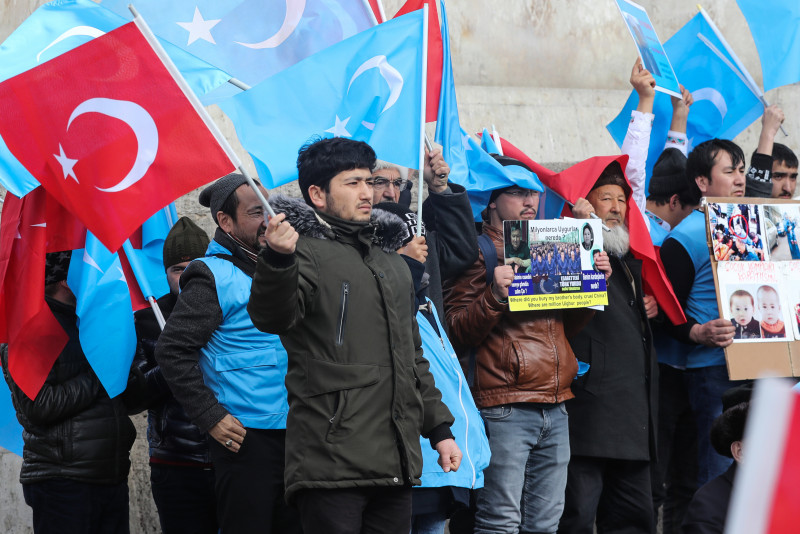
The US House of Representatives voted overwhelmingly Tuesday to ban imports from China's Xinjiang region, vowing to stop what lawmakers say is systematic forced labour on the Uighur community.
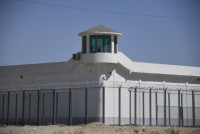
Despite opposition by US businesses, the act passed 406-3 in a sign of growing outrage over Xinjiang, where activists say more than one million Uighurs and other mostly Muslim Turkic-speaking people have been incarcerated in camps.
“Tragically, the products of the forced labour often end up here in American stores and homes,” House Speaker Nancy Pelosi said before the vote.
“We must send a clear message to Beijing: These abuses must end now.”
The Uighur Forced Labor Prevention Act still needs to be passed by the Senate, which may have limited time before the November 3 elections.
The United States already bans products made through slavery but the act would put a blanket ban on products from Xinjiang, saying that forced labour is inextricably linked to the region's economy.
“We know forced labour is widespread and systematic and exists both within and outside the mass internment camps,” said Representative Jim McGovern, a Democrat who helped lead the bipartisan act.
“These facts are confirmed by the testimony of former camp detainees, satellite imagery and official leaked documents from the Chinese government,” he said on the House floor.
Republican Representative Chris Smith said: “We cannot be silent. We must demand an end to these barbaric practices and accountability from the Chinese government.”
Xinjiang is a global hub for cotton with one study by a labour group estimating that 20% of the garments imported into the United States contain at least some yarn from the region.
The act passed despite criticism from the US Chamber of Commerce, the premier business lobby, which argued that the law would prohibit legitimate commerce rather than find ways to root out products from forced labour.
After the act was introduced, the State Department issued an advisory that it said would educate US companies in Xinjiang and the Customs and Border Protection Agency said it was banning specific products traced to forced labor in the region.
McGovern criticised the efforts by President Donald Trump's administration, saying: “These piecemeal actions fall far short of addressing a regional economic system that is built upon a foundation of forced labour and repression.”
Activists and witnesses say that China is seeking to forcibly homogenise the Uighur population in re-education camps including by restricting the practice of Islam.
China argues that it is providing vocational training to reduce the allure of extremism.
Former national security advisor John Bolton wrote in a recent book that Trump voiced support for the camps when his Chinese counterpart Xi Jinping explained them to him. – AFP, September 23, 2020.