World

Health centre water crisis increasing virus risk: WHO

Lack of access to clean water puts 1.8 billion people at increased risk of contracting coronavirus, says orgainsation

Updated 5 years ago · Published on 14 Dec 2020 12:00PM

Health centre water crisis increasing virus risk: WHO
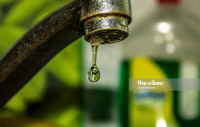
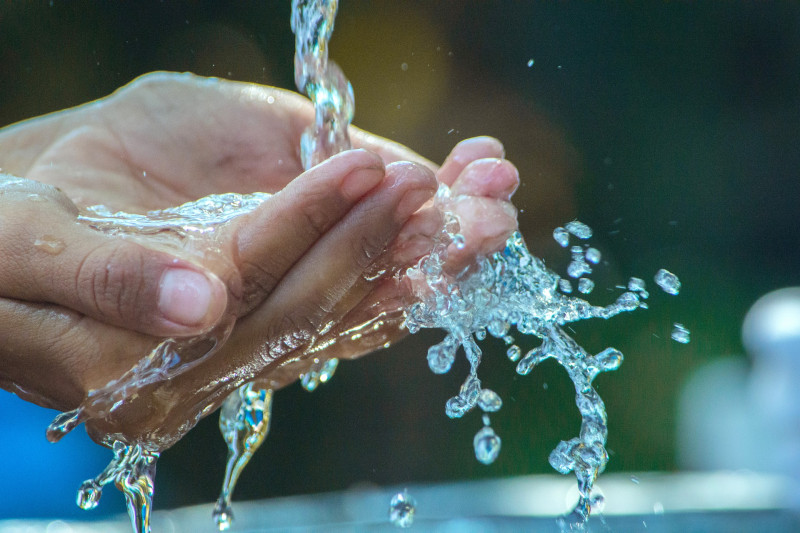
The World Health Organization says, working in a healthcare facility without water, sanitation and hygiene is akin to sending nurses and doctors to work without personal protective equipment,– Pixabay pic, December 14, 2020

GENEVA – One in four health centres worldwide lacks access to water, putting around 1.8 billion people at increased risk of contracting the coronavirus, the World Health Organization (WHO) said today.

The lack of this basic amenity endangers patients and staff alike at such centres, the WHO said in a joint report with the UN children’s agency Unicef. The study was based on data from 165 countries.

“Working in a healthcare facility without water, sanitation and hygiene is akin to sending nurses and doctors to work without personal protective equipment,” said WHO chief Tedros Adhanom Ghebreyesus.

These elements “are fundamental to stopping Covid-19. But there are still major gaps to overcome, particularly in least developed countries.” 

According to WHO figures, while health professionals make up less than 3% of the population, they account for 14% of Covid-19 cases recorded around the world.

“Sending healthcare workers and people in need of treatment to facilities without clean water, safe toilets or even soap puts their lives at risk,” said Unicef chief Henrietta Fore.

The report also found that one in three health facilities around the world could not guarantee hand hygiene, while one in 10 did not have access to sanitation services.

The figures are even worse for the world’s 47 least-developed countries (LDCs), where half of healthcare centres have no access to drinking water, a quarter have no access to water for hygiene purposes, and three in five lack basic sanitation services.

The WHO and Unicef calculated that it would cost around US$1 per inhabitant to provide basic water services in these countries' health centres – and 20 cents each to maintain such facilities each year. – AFP, December 14, 2020
Related News

Events / 1w

Eco-friendly minds and leaders to meet over water conservation and preservation

Community / 2w

Stronger public-private collaboration essential to ensure water resources remain sustainable

Malaysia / 1mth

Northern Malaysia must prepare for the consequences of lower rainfall

Community / 3mth

Penang: Old age is not a problem, but a new reality to embrace, says Exco

Malaysia / 4mth

Penang water tariffs to increase from July 1 after year-long deferment

Malaysia / 4mth

11-month-old baby found dead in bucket filled with soapy water

Spotlight

Malaysia

Nhaveen murder trial: Accused admits taunting victim but denies fatal assault

Malaysia

MCMC probes alleged AI sexual abuse targeting Kedah pupils, teachers

Malaysia

Anwar checks final preparations for Budget 2027

Malaysia

Sarawak election could be called within weeks of Budget 2027

Malaysia

Anwar contacts Prabowo over ‘alarming’ transboundary haze

Malaysia

King calls for schools in haze-hit areas to close

Malaysia

Parents worry over children’s exposure as haze worsens

By Alfian Z.M. Tahir

You may be interested

World

Indonesia forest fire hotspots plunge 67%, but haze and dry weather risks persist

World

Explosions rock Riyadh airport as Yemen’s Houthis claim missile attack

World

59,275 hotspots turn South Sumatra into haze hotspot as respiratory cases surge

World

US to livestream Nidal Hasan’s firing squad execution on December 3

World

AI agents used in cyberattacks targeting South Korean banks, CrowdStrike says