
Business

New dam in Tenom targeted for completion by 2027

It will contribute an extra 15% to Sabah’s electricity grid.

Updated 2 years ago · Published on 07 Dec 2023 2:27PM

New dam in Tenom targeted for completion by 2027
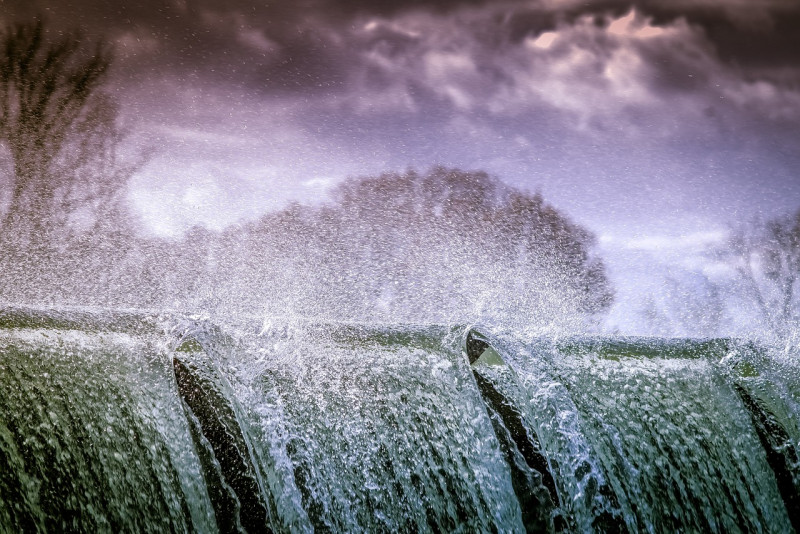
The Ulu Padas Hydroelectric dam project in Sabah is expected to contribute an additional 15% to the state’s electricity grid once completed sometime in 2027. – Pixabay pic, December 7, 2023.

by Jason Santos

SABAH today saw the launch of the Ulu Padas Hydroelectric dam project, which is expected to contribute an additional 15% to the state’s electricity grid once completed sometime in 2027.  

Sabah Chief Minister Datuk Seri Hajiji Noor said the project is part of the state’s long-term energy sustainability plan to increase the energy mix, aimed at addressing acute power shortage in the state. 

The state has a 12% reserve margin at present, lower than the 20% to 30% reserve margin benchmark.  

“This will not only fulfil our growing energy needs but is also crucial for the development of Sabah’s Oil and Gas and the Kota Kinabalu Industrial Park, thereby driving economic growth in our state. 

“Additionally, a study is underway to assess the potential of the dam to supply clean and stable water to users, up to 6,000 million litres per day (MLD),” he said during the groundbreaking ceremony for the dam in Kampung Kungkular today. 

Prime Minister Datuk Seri Anwar Ibrahim officiated the event by performing a symbolic ground-breaking.  

Hajiji said the construction of the dam would bring various benefits to the local economy in terms of job opportunities and increases in incomes and businesses.  

“The energy sector is a crucial driver and one of the largest contributors to Sabah’s economy for several decades,” he noted. 

He added that the construction of the dam reflected the state government’s continued commitment towards resolving energy woes in the state detailed in the Sabah Energy Master Plan and Roadmap 2040 launched last September.  

The hydroelectric dam is developed by Upper Padas Power Sdn Bhd.  

The company was formed through collaboration between Sabah Energy Corporation Sdn Bhd, Gamuda Bhd, and Kerjaya Kagum Hitech JV Sdn Bhd.  

It is understood that the project is valued around RM4 billion and would be able to generate 187.5MW of electricity once it starts operating three years from now. – The Vibes, December 7, 2023.  

Related News

Malaysia / 6d

A message from our publisher and chairman

Malaysia / 1w

Sabah leaders condemn priest and nun joke at UMNO PAU

Malaysia / 1w

UMNO-PAS relations. Are things as rosy as it seems?

Malaysia / 1w

GE16: BN-PN may get the Malay votes, but Sabah, Sarawak remain kingmakers

Malaysia / 3w

Sabah poverty figures, tourism ranking among Malaysia’s quieter gains, says World Bank economist

Opinion / 3w

Merdeka: This is our Malaysia – and you will not take it from us

Spotlight

Malaysia

'H1' hits RM10.7 million in H-series registration number bidding

Malaysia

Anwar’s China visit puts Malaysia’s technology, skills and connectivity plans in focus

Malaysia

Ten former Bar Council presidents affirm Tuanku Muhriz as rightful Yang di-Pertuan Besar of Negeri

Malaysia

Ismail Lasim’s continuous shifting stances leave Negeri administration in deeper bind

Malaysia

Loke’s resignation will be huge loss to the people, says Guan Eng

By Ian McIntyre

Malaysia

Attorney-General: Najib house arrest still pending RM50m fine payment

Malaysia

Rosmah Mansor: Overseas friends offer donations to help Najib pay RM50m fine

World

Thai woman found strangled in suitcase in Taiwan office freezer

You may be interested

Business

Oil prices extend slide as West Asia supply risks ease

Business

Malaysia’s exports surge 31.2% to RM1.36 trillion in first eight months

Business

DOSM: Median pay rises 5.3% but most Malaysian wage earners average RM2,714

Business

CMH Specialist Hospital records revenue of RM40.22 million

Business

RM220m K8 cargo: Maritime Network seeks clarity, not left to verbal interpretations

Business

Oil prices extend four-session slide as Middle East supply risks ease