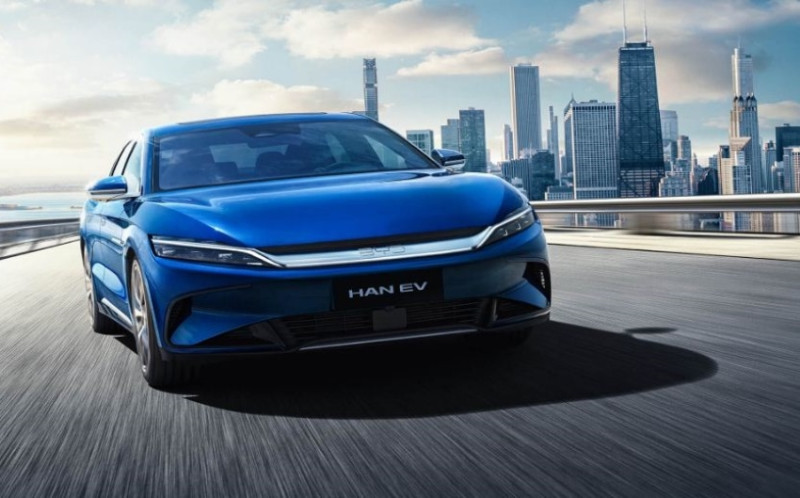
CHINA’S top carmakers are pressing ahead with heavy discounting in the electric vehicle (EV) market, defying calls from Beijing to rein in the ongoing price war, as fresh data reveal little change in strategy across the country’s leading automotive brands.
Bloomberg reported despite an appeal in June for manufacturers to avoid what authorities described as “rat-race competition,” all 20 of China’s largest car brands either maintained, slightly reduced or deepened their discounts in July, according to figures from China Auto Market.
Seven of those brands offered even steeper price cuts, while the rest kept promotions largely unchanged.
Compared to the same period last year, discounting in July was higher overall, underlining the difficulty the government faces in trying to moderate a market marked by excess production and cautious consumer demand.
“This underscores how difficult it is to regulate retail pricing behaviour in China’s ultra-competitive automotive landscape,” said Joanna Chen, auto analyst at Bloomberg Intelligence.
Traditional manufacturers such as BYD and Tesla are now contending with tech-backed newcomers like Xiaomi, while companies including Nio, Xpeng and Leapmotor continue to introduce new models in a bid to grow their market presence.
At BYD — the country’s highest-selling automaker whose sweeping discounts in May drew attention from regulators — changes were negligible. Average discounts, calculated as the margin between a vehicle’s final sale price and its recommended retail price, dipped only slightly to 7.5 per cent in July from 7.9 per cent the previous month.
“The government’s push may have reduced the visibility of direct sticker price cuts,” said Chen, “but carmakers are deploying other perks to attract buyers.”
Incentives such as interest-free loans, complimentary home chargers, upgraded interiors and free mobile data remain in play — allowing automakers to maintain promotional leverage without formally adjusting list prices.
BYD’s average sale price fell to 114,760 yuan (about RM67,855) in July, down from 116,200 yuan, suggesting consumer preference for lower-priced models. Geely Automobile Holdings followed suit, with its average sale price sliding to 104,300 yuan (RM61,670) from 105,700 yuan.
BYD is set to release its half-year earnings on 29 August. Analysts will be looking for indications of how government efforts to temper the price war have affected the company's margins and delivery numbers.
BYD, the global leader in EV sales, aims to deliver 5.5 million vehicles by the end of 2025, having sold approximately 2.49 million in the first seven months of this year.
Foreign automakers, in contrast, appear more responsive to regulatory signals. European luxury marques such as Mercedes-Benz, BMW and Audi reported higher average sale prices in July, which analysts attribute to Beijing’s recent clampdown on bank partnerships that had enabled generous dealer commissions and aggressive discounting.
Leapmotor, however, made clear it has no plans to shift its pricing tactics.
“Our approach remains unchanged,” said co-president Michael Wu in a recent Bloomberg Television interview. “We bring compelling products with strong value to market, and we’ll continue reducing costs through our vertically integrated model.”
Xpeng president Brian Gu said the government’s focus is aimed mainly at high-volume players. “This doesn’t change the government’s encouragement for innovation and quality in the long run,” he said.
Li Yanwei, an advisor to the China Automobile Dealers Association, said the government will need to be patient.
“Prices likely won’t fall much further,” said Li, “but it will be equally difficult for them to rise.” - August 28, 2025