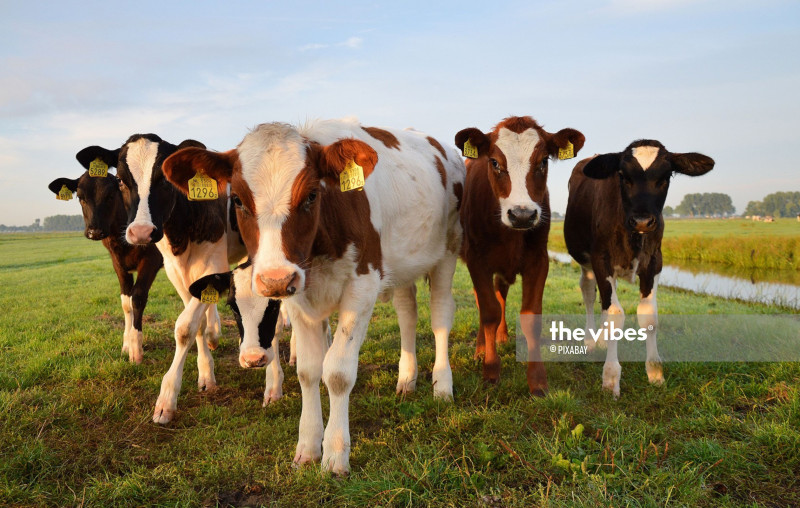
KUALA LUMPUR – The integration of cattle farming in oil palm plantations is a solution for Malaysia to reduce its dependence on cattle imports, while the diversified agriculture will promote and enhance the ecosystem amid a changing climate, an academician said.
“In oil palm plantations, potential cattle integration can result in diversified farming and increase the resilience, productivity, agricultural system sustainability, and cost savings in weeding and labour, besides reducing the environmental impact due to agricultural intensification.
“With the current situation, uncertain palm oil price, and labour shortage due to Covid-19, oil palm stakeholders should not just rely on palm oil, although it is a reliable supply for the vegetable oil and fats market. They need to think of other enterprising ideas,” Prof Mohammad Amizi Ayob, Agrobased Industry Faculty lecturer at Universiti Malaysia Kelantan, told Bernama.
He said cattle integration in oil palm plantations is not a new phenomenon in the sector, but until now, the country is still depending on cattle imports from countries such as India, Australia and Argentina.
Amizi said that even though most agricultural land is planted with oil palm, there exist several opportunities to optimise the land without causing detriment to oil palm production – one of which is oil palm-cattle integration.
According to last year’s data from the Department of Veterinary Services, Malaysia’s self-sufficiency for beef in 2018 was only at 23%.
“If cattle integration can be implemented in 50% of the total oil palm-planted areas in Malaysia, we can accommodate 1.47 million heads of cattle. This can increase self-sufficiency for red meat to 51%.
“Currently, only a small portion of land under smallholders, government agencies and private-sector oil palm plantations is being utilised for crop-livestock integration,” said Amizi.
He also said oil palm stakeholders, such as the private sector, government agencies and smallholders, need to play their respective parts in the integration initiative.
“However, management in the private sector remains focused on oil palm production, and it is claimed that livestock integration distracts from that primary function.
“As a result, our country still imports meat from other countries, especially from Australia, Argentina and Brazil,” he said.
The government needs to investigate why oil palm stakeholders, until now, are still reluctant to implement cattle integration in oil palm plantations, he added.
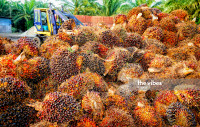
As of 2019, the total oil palm-planted areas in Malaysia amounted to 59,000 sq km, and the palm oil was exported to 145 countries, making it an economic contributor in the agriculture sector.
This commodity is expected to continue to be significant based on its advantages and ability to generate income in Malaysia. – Bernama, January 4, 2021