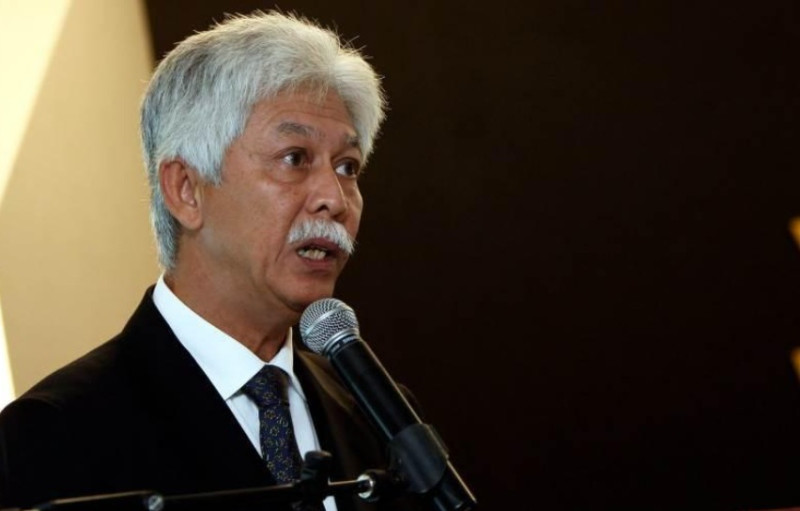
THE ongoing global supply and energy crisis should not be viewed solely as an oil price issue, but as a broader physical disruption that could gradually affect households through rising costs of living, according to Tan Sri Mohd Hassan Marican.
The chairman of the Crisis Management Task Force of the National Economic Action Council said the impact would likely be felt in stages, beginning with fuel and logistics costs before spreading to petrochemical feedstocks, plastics, fertilisers, manufacturing and construction.
“Eventually, it will reach households through broader cost-of-living pressures,” he told Bernama in an interview recently.
He warned that an exclusive focus on fuel prices risks underestimating the scale of the disruption, as its effects will gradually extend across various sectors of the economy if it continues.
“Treating it purely as an oil price issue is a very common misconception,” he said, adding that it is “fundamentally a physical supply crisis”, noting that in such situations, financial resources alone cannot resolve the issue if the supply is disrupted.
According to Mohd Hassan, Malaysia is in a relatively stronger position than many countries due to its established oil and gas ecosystem, domestic refining capacity, and experienced industry players and institutions like Petronas, which can play a stabilising role during periods of disruption.
However, he said the country is not immune to external disruptions as it remains exposed to external shocks as an open economy.
He pointed out that the government has already put in place a range of measures that have helped stabilise conditions during the initial phase of the global supply crisis.
These included targeted fuel subsidy mechanisms under BUDI MADANI and Subsidised Diesel Control System (SKDS), expanded cash assistance through Sumbangan Tunai Rahmah (STR) and Sumbangan Asas Rahmah (SARA), as well as strategic food supply interventions through Jualan Rahmah MADANI and Agro MADANI.
Additional financing support for micro, small and medium enterprises (MSMEs) launched recently, he said, would also help businesses manage rising operating costs.
Mohd Hassan said Prime Minister Datuk Seri Anwar Ibrahim has consistently reaffirmed his commitment to safeguard the welfare of the rakyat, particularly lower-income groups and MSMEs.
While Malaysia has strong fundamentals and institutional strength to weather these challenges, he stressed that managing the crisis requires national discipline and coordination across government, industry and the public.
“This is not a challenge any single institution can manage alone, as it requires a whole-of-nation approach,” he added. – June 8, 2026