KUALA LUMPUR – The Asia-Pacific Economic Cooperation (Apec) is forecasting the region’s economy to expand by 5.7% this year and 4.1% in 2022, but growth is expected to be uneven among member economies.
The Apec Policy Support Unit, in an updated regional trends analysis report, also estimates a lower regional economic contraction of 2% in 2020 – an improvement from the forecast of a 2.5% decline it made in November last year.
The 2020 contraction is equal to an output loss of US$1.5 trillion (RM6 trillion), down from the earlier-projected US$1.8 trillion loss, it said in a statement published on Apec’s official website.
“The rebound in economic activity in the second half of 2020 and the continuation of fiscal and monetary support by member economies have brought about a slight improvement to the region’s economic growth,” it said.
Apec Policy Support Unit director Dr Denis Hew said governments in the region are continuing to mitigate the economic fallout of the Covid-19 pandemic with a series of stimulus measures, including liquidity support and loan moratoriums extended to businesses as well as cash handouts and wide-ranging subsidies to households.
“These measures stimulate domestic consumption as economies reopen gradually,” he said.
Despite the slight uptick in 2020’s economic growth and a relatively optimistic outlook for 2021 and 2022, the report noted that growth would be uneven across Apec economies, with the speed and strength of the recovery largely determined by the effective management of the pandemic and successful vaccination programmes.
Apec Policy Support Unit researcher Rhea C. Hernando, who updated the report, said different levels of access and schedules as to when at least between 60% and 70% of the population would be vaccinated will affect the timing of economic and border reopenings.
This will translate into diverging speeds of economic recovery across the region, she said.
The report noted that several Apec economies could achieve widespread vaccination as early as the latter part of this year, with 10 other members by mid-2022.
“There is an urgent need for closer cooperation between policymakers and the private sector to educate the public about the efficacy of each vaccine to combat misinformation and encourage higher vaccine uptake,” Hernando added.
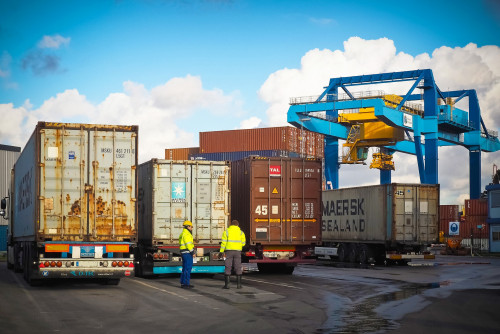
As for trade, the unit said the region recorded a better performance in the third quarter of 2020, with the value of merchandise exports and imports declining at a lower rate of 2.4% and 5.7%, respectively, from as much as 16 to 17% in the previous quarter.
“This improved performance is in line with global trade, supported by a 50% growth in trade of medical supplies since April 2020,” it said.
Commercial services plunged by a cumulative 22.9% for exports and 24.5% for imports from January to September 2020, largely resulting from major losses in the transport and travel sectors, the unit said.
Nevertheless, the rise of remote work and work from home initiatives also increased demand for home office and communication equipment, giving trade in this sector as well as apparel and textile a boost.
“It is crucial for member economies to sustain the fiscal and monetary stimulus to prevent further livelihood losses, but equally important is to also take advantage of digital opportunities.
“When fiscal space allows, economies can invest in digital infrastructure, green jobs and new technologies, while also ensuring the upskilling or reskilling of the workforce,” Hew said. – Bernama, February 4, 2021