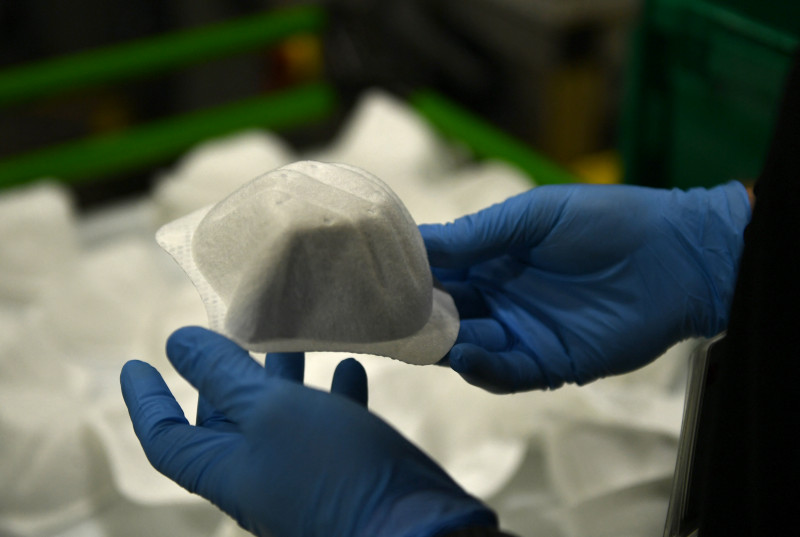
MIAMI – A Florida manufacturer that pounced on the N95 mask shortage at the start of the pandemic and retooled to churn them out now has 30 million of the coverings going begging.
DemeTech, a factory based here, blames its woes on lower prices for Chinese-made N95 masks.
Wholesale dealers said the problem is that Americans are wary of new makers of the devices. A few dozen other United States manufacturers are reportedly in similar straits.
This all began early last year when China, which produced half of all the N95 masks made around the world, was accused of hoarding them amid the initial scare over the Covid-19 pandemic, which began in the Chinese city of Wuhan.
In April, US hospitals were running short of the masks and reported having just a three-day supply, said a poll by Premier, a company that supplies equipment to 4,100 hospitals and healthcare systems in the US.
Google, Amazon and Facebook then banned ads for and sales of the masks on their platforms to prevent jittery people from buying up supply needed so desperately by front-line healthcare workers.
So, DemeTech, a family-owned company that, until then, made suture thread, retooled its facilities to manufacture masks.
Nine months and tens of millions of dollars later, its N95 masks were approved by the federal government. But, the company cannot find enough customers.
“There’s an unfortunate disconnect between the manufacturers and the people who want to buy the product,” said firm vice-president Luis Arguello.
China and social media
Arguello blames this disconnect on two factors.
First, he said, hospitals that buy wholesale prefer cheaper masks from China.
A box of 20 DemeTech N95 masks costs US$75 (RM303) retail. The wholesale price is about half that, but still more expensive than Chinese masks.
“We are considerably more expensive because we use US raw materials and US labour,” said Arguello.
The New York Times reported last week that nearly two dozen companies like DemeTech are struggling to sell their N95 masks despite promises by the government – under Donald Trump at first, and now, Joe Biden – to support US manufacturers.
Secondly, said Arguello, US companies cannot sell their masks at the retail level because they cannot advertise them online, due to the ban imposed by companies like Google and Facebook.
“Most of the digital companies think that they’re doing good because they want to reserve the product for the hospital sector and the doctors.
“But we have an excess capacity. We have a lot of masks in inventory. Here, we have around 30 million masks.”
The N95 mask is considered the gold standard for protecting against the coronavirus because it filters out 95% of particulates in the air.
Mistrust
A year into the pandemic, these masks have overcome their initial shortage, but are still a restricted good, said David Hargraves, senior vice-president of supply chain issues for Premier.
Demand for them is high –the use of these respirators is up 500% since July. However, new manufacturers have also come into the market, and hospitals on average have a 150-day supply.
Still, said Hargraves, “we need to be careful about being too optimistic”.
“Our members tell us they continue to dip into safety stocks, and any changes to current levels of supply and demand could quickly compromise this fragile market and bring us back to an acute shortage situation.”
So, the market for N95 masks remains “constrained”, and the online advertising ban by big social media platforms is still in force.
Premier said it acquires masks from both US manufacturers like DemeTech and foreign ones.
But ultimately, it is the hospitals themselves that decide what they buy.
Some must approve masks within their own inspection systems, and are wary of new, untested suppliers because there has been a lot of fraud during the pandemic.
“We’re at a strange inflection point,” said Arguello.
“We can go one of two ways.
“We can hire an additional 3,000 new jobs and continue to make and help the economy. Or, our message won’t get out there, and we’ll have to let go a lot or all of our 1,500 production employees.” – AFP, February 18, 2021