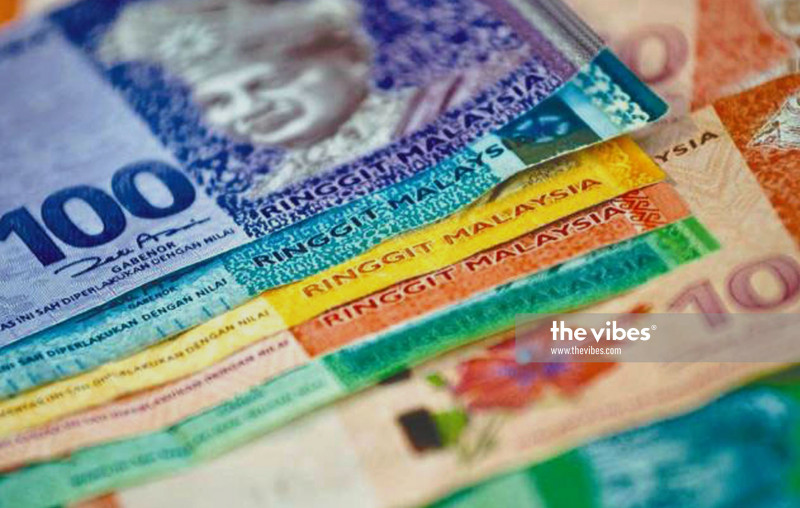

KUALA LUMPUR – The ringgit, which has been on a roll for the past week, is expected to further strengthen in the near term, buoyed by strong commodity prices and rebounding crude oil prices.
Sunway University Business School senior lecturer Nur Ain Shahrier said the local note is also appreciating due to the arrival of the Covid-19 vaccine over the weekend and encouraging political developments in the United States.
“The arrival of the vaccine has lifted business and economic sentiments, and the US foreign policies have been in the favour of commodity-exporting countries, including Malaysia, as seen in the improving prices of crude and palm oil.
“Due to these, we have a surge in capital inflows that strengthen the ringgit,” she said when contacted by The Vibes.

Nur Ain, however, said Malaysia should take caution on the type of capital inflows that have caused the ringgit to strengthen.
“If these capital inflows are hot money inflows, that means they are in the form of equities and bonds. This (situation) is riskier as these inflows are temporary. They can exit the country at any time and cause adverse effects on the ringgit.
“But if the capital inflows that come in are foreign direct investments, then the positive effects are more permanent on the ringgit.”
The ringgit has been surging against the US dollar for the past few weeks, and is expected to consolidate further in the coming weeks, riding on rejuvenated prices of commodities and various developments in the market, which are affecting the greenback negatively.
These include a soft US inflation data and declining yields in its bond markets, which are not supporting the US dollar.
The local currency was higher against the greenback at RM4.06 last Friday.
.jpg)
Bank Islam chief economist Mohd Afzanizam Abdul Rashid said the resurging ringgit has much to do with higher commodity prices, namely the Brent crude oil prices, and, to some degree, crude palm oil prices.
“The anticipation of the fiscal stimulus in the US and commitment by the US Federal Reserve to keep interest rates low, along with the global vaccine roll-outs, may have propelled the risk appetite.
“This has benefitted the emerging market currencies, including the ringgit.” – The Vibes, February 21, 2021