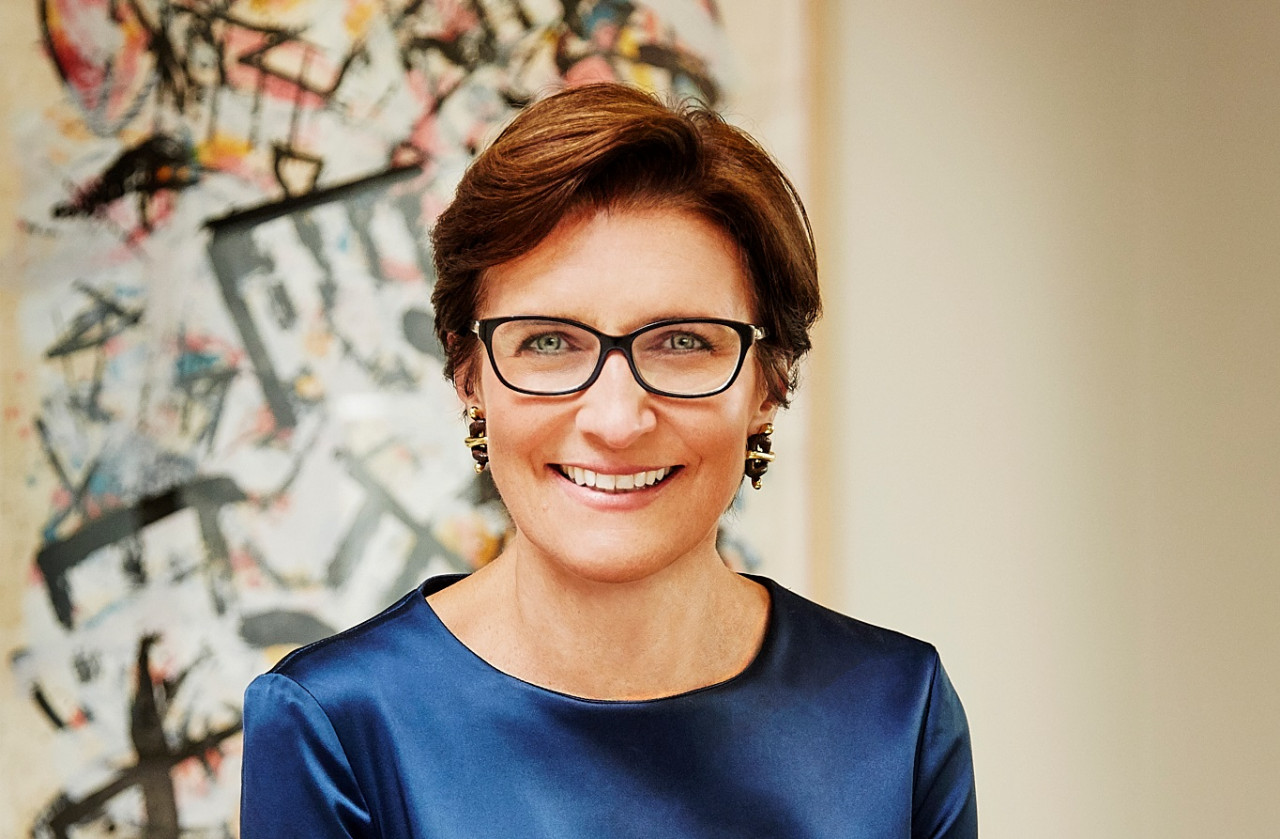
NEW YORK – Pin-up photos and smutty jokes have long been commonplace on trading floors, but the finance world is gradually opening up to women – underlined by the arrival tomorrow of Jane Fraser at the head of Wall Street banking flagship Citigroup.
Her elevation marks “a milestone”, said Lorraine Hariton, director of Catalyst, an organisation that promotes women at the workplace.
“But there is also a long way to go.”
Employment figures demonstrate that mountains still have to be moved to achieve parity between men and women in the financial services sector.
Women in 2019 made up more than 50% of employees in the field in the United States, but only 22% of managers – leaving aside the highest positions, according to a report by Deloitte.
Current trends predict that the figure will rise to 31% by 2030. And, male financial analysts earned 17% more on average in 2020 than their female counterparts.
Several women told AFP that women have to work harder than men to climb the ranks, and have to be seen as beyond reproach.
Prestigious professions and those that pay the most, like investment bankers and traders, still remain strongholds of white men. And, sexist remarks still come out from time to time.
“For every Jane Fraser, there are hundreds, if not thousands, out there,” said Muriel Wilkins of executive consultancy firm Paravis Partner.
“Are they being provided with the opportunities to be able to advance?”
However, the old certainties have started to shift.
Women’s network
Vague promises on the need to diversify recruiting have gradually led to some real reflection on the issue.
“Slowly, more leaders... are starting to think and to talk about what it means to have equity in their organisation... and which structures they can put in place, so that it is not just on women,” said Wilkins.
At JPMorgan Chase, the US’ largest bank by asset size, there has long been an informal women’s network.
In 2013, women at the most senior level started organising women-only meetings while on business trips around the world, so that they can hear employees’ thoughts.
Company head Jamie Dimon wanted to formalise these various initiatives, and so, in 2018, the Women on the Move programme was created, said project manager Sam Saperstein.
“It allowed us to reinvigorate what we were doing with HR, with training, and just pull everything together and elevate it in a clear strategy across the firm.”
The initiative organised a career development programme open to all women in the company. About 500 participated in the first session last year, and 2,000 have applied for the second.
Sponsorships
To tackle the citadel of asset management, which is still the preserve of men, the organisation Girls Who Invest, founded in 2015, set itself the goal of having 30% of the money invested in funds worldwide managed by women by 2020.
Women currently represent only 6% of managers in venture-capital companies, according to the group, and only 3% in hedge funds.
The organisation wants to prove that contrary to popular belief, women are not at all turned off by the job: companies just have to go out and find them.
It scours university campuses to recruit students, train them, and offer them internships.
“The industry has moved tremendously in the past five years,” said director Katherine Jollon Colsher.
“More and more firms are now having 50% female analyst classes, and are focused on those same numbers at the associate level.”
Hariton said: “Measurement and holding people accountable is critical to make change.”
Michael Corbat, Fraser’s predecessor, was one of the first in the industry to release statistics on diversity within his company.
It is also essential, said Hariton, for companies to put in place support measures, whether sponsorship programmes or parental leave. – AFP, February 28, 2021