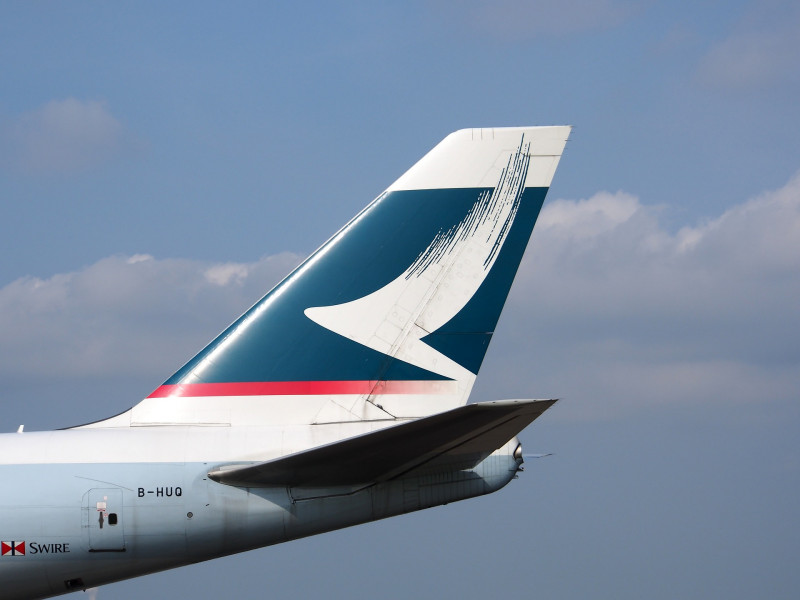
HONG KONG – Hong Kong carrier Cathay Pacific today said it suffered a record HK$21.6 billion (RM11.56 billion) loss last year as the coronavirus pandemic wiped out demand for travel – and the airline warned of a long road to recovery ahead.
Chairman Patrick Healy described 2020 as the “most challenging” in the airline’s 70-year history, and said much will now depend on how effective and widespread global vaccination programmes are.
“It is by no means clear how the pandemic and its impact will develop over the coming months,” he warned, saying the group expects passenger traffic this year to remain “well below” half of pre-pandemic levels.
The company’s losses are higher than estimates compiled by Bloomberg News.
Cathay Pacific racked up an attributable loss of HK$21.6 billion for 2020, going deeper into the red as the year wore on.
Its second-half losses clocked in at HK$11.8 billion, up from HK$9.9 billion in the first six months of the year when Covid-19 first emerged.
Like all major airlines, Cathay Pacific has seen its business evaporate during the coronavirus crisis, but the Hong Kong carrier has had an especially torrid year because it has no domestic market to fall back on.
It also entered the pandemic in an already vulnerable position. When the virus first emerged, Hong Kong had fallen into recession, and Cathay Pacific was in the red as months of huge and disruptive democracy protests in 2019 led to a plunge in customers, especially from the lucrative mainland Chinese market.
The airline also found itself punished by authorities in Beijing because some of its employees joined or voiced support for the protests.
As the pandemic spread, it went on a cost-cutting spree, closing its Cathay Dragon subsidiary and making about 8,500 redundancies.
With the help of a government bailout, it underwent a recapitalisation in July that raised HK$39 billion.
However, passenger numbers have been some 98% below pre-pandemic levels since April, and for much of last year, the company was burning through cash at a rate of up to HK$1.5 billion a month. – AFP, March 10, 2021