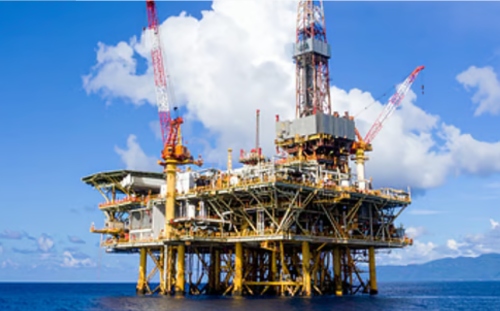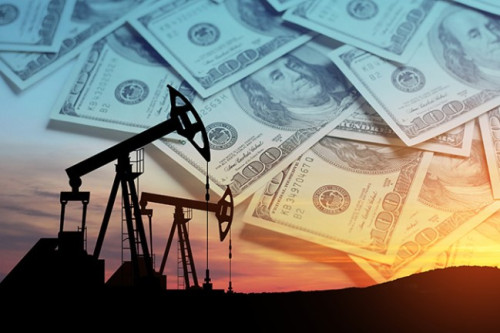
PARIS – Rich nations are still providing more than half a trillion dollars annually to fossil fuel projects despite committing to slash greenhouse gas emissions in line with the Paris climate deal, research showed on Tuesday.
While state support to oil, gas and coal has dipped slightly since the landmark 2015 accord, a joint analysis by three climate think tanks found that many nations’ post-pandemic stimulus plans will see billions more given to polluting fuels.
In a grading of G20 countries' performance of phasing out fossil fuel subsidies, the analysis found that at least US$170 billion (RM699.12 billion) of public money had been pledged to fossil fuel-intensive sectors since the start of the pandemic.
“G20 governments were already not on track to meet their Paris Agreement commitments on ending support for fossil fuels before Covid-19,” noted Anna Geddes of the International Institute for Sustainable Development, which co-authored the report.
“Now, disappointingly they are moving in the opposite direction.”
Production and consumption subsidies take the form of tax breaks, rebates, financial incentives or even overseas aid and can keep consumer prices artificially low.
The International Energy Agency said last month that the pandemic provided a once-in-a-generation opportunity for governments to enact a “step-change in clean energy investment”.
But administrations desperate to get their economies firing again after the damage wrought by Covid-19 seem not to have taken this advice to heart.
Lockdowns and travel bans have seen global carbon pollution plummet this year compared with 2019, which the IEA said must be the “definitive peak” for emissions.
But Tuesday's analysis showed that rich nations – responsible for the vast majority of emissions – were likely to undo even the slight progress they’d made on phasing out subsidies.
It found they had given US$584 billion to fossil fuel projects every year between 2016-2019.
Gauging each country’s subsidy reform path, the analysis found that not a single nation has made “good progress” in line with reaching the Paris accord goals.
The 2015 treaty enjoins nations to limit global temperature rises to “well below” two degrees Celsius above pre-industrial levels through sweeping emissions cuts.
The United Nations says that for the more ambitious Paris goal of 1.5℃ of warming to be met, emissions need to fall by 7.6% annually through 2030.
Several studies have shown emissions reductions of near that figure during pandemic lockdowns, but scientists warn that nothing less than a complete overhaul of how the world powers itself would keep a handle on long-term warming.
The costs of subsidies can be hard to calculate, given their many forms and delivery methods.
Last year a working paper by the International Monetary Fund factored in the social and economic costs of air pollution, health risks, and the effects of climate change associated with fossil fuel use.
It estimated that if fossil fuel prices were “fully efficient” – meaning subsidy-free –in 2015, “global CO2 emissions would have been 28% lower (and) fossil fuel air pollution deaths 46% lower.”
Most G20 nations scored poorly in Tuesday’s assessment due to a lack of transparency and continued support for fossil-fuel based energy.
“Governments are in the midst of rolling out historic levels of public finance in response to the pandemic,” said Bronwen Tucker, from Oil Change International.
“Instead of bankrolling another major crisis – climate change – our governments should invest in a resilient future.” – AFP, November 10, 2020





.jpeg)